


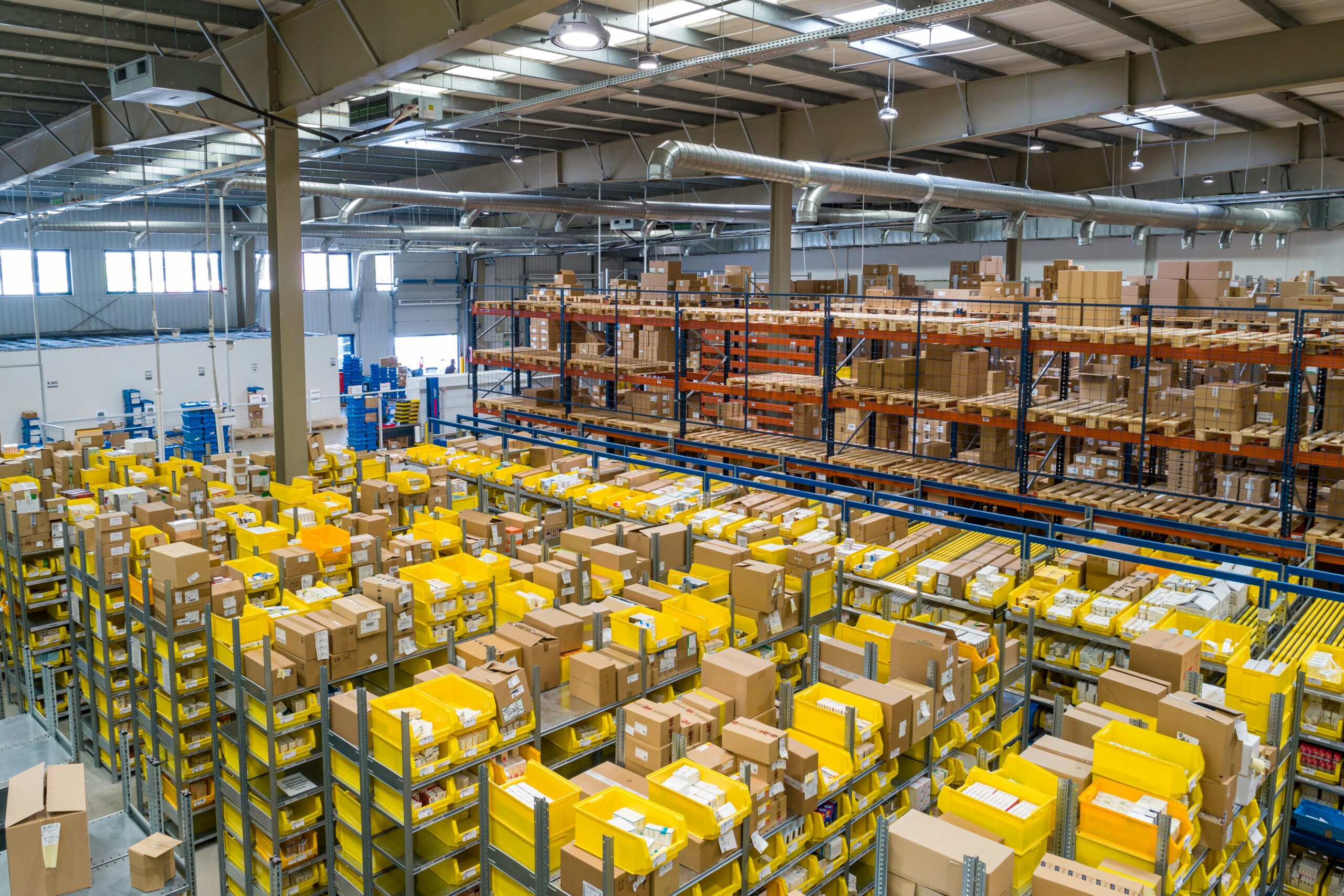
Buying a warehouse or factory is among the most expensive business moves. When you are building or expanding into a bigger facility, the upfront costs for land and infrastructure are massive. That’s the reason such projects can drain your cash reserves and sometimes force you to stall your other business projects.
Luckily, securing good industrial property financing can turn this giant expense into something more manageable. Lenders evaluate your industrial property, its prospects, and the purpose it’ll serve (warehousing, manufacturing, or something else) and then offer a solution accordingly.
This article explains how industrial property financing makes sense for your business and how to help you secure your space without going broke. Keep reading and plan your next major move with more clarity.
How Does Industrial Financing Work
A business gets an industrial property loan for its warehouse, factory, or distribution center. The goal is to buy, build, or renovate these spaces and use them for business purposes without pulling money out of the operational cash reserve.
This commercial loan works much like a mortgage but focuses heavily on the building’s functional utility. In simple terms, it means that lenders check factors including a building’s high ceilings, heavy-duty power capacity, and loading docks, along with its price, to ensure that it is useful for industrial work.
When you apply for this funding, most lenders use your Debt Service Coverage Ratio (DSCR) to see if your company’s profit can easily handle the new payments. The goal behind this requirement is to see if you make at least 1.25 times the amount of your debt obligations because that’ll prove you can pay the installments on time.
It’s also worth mentioning the environment-related obligations that come with industrial financing. For these loans, a business has to complete a Phase I Environmental Report, which proves that the land isn’t contaminated from previous industrial use.
After the approval process, your industrial property financing agreement will ask for a down payment between 10% and 25%, and the rest will follow as monthly installments.
These regular payments build your equity in a hard asset and prove to be a long-term investment for your company instead of you having to rent. Moreover, locking in your costs for a decade or more protects your business from sudden rent hikes and ensures your supply chain has a permanent home.
Why Industrial Financing Makes Sense for Your Business Real Estate
Business financing is the standard route for growing your business while strategically managing your money. Here are the facts that make industrial property financing a smart decision:
Asset Ownership
Financing an industrial property helps you turn a monthly expense into an investment. If you rent your warehouse or factory, the rent payments are a sunk cost that only benefits a landlord’s balance sheet. But if you secure financing for that same property, each payment increases your equity and converts your housing cost into a savings plan.
Stable Fixed Costs
Industrial rent prices change as local demand for warehouse space increases. So if you decide to finance your property with a fixed-rate loan, you lock in your monthly costs for the next 10 to 25 years. Your repayment stability removes the risk of rent hikes that can gut your profit margins or force a relocation otherwise.
Being sure of an inevitable property expense also allows for accurate budgeting as you maintain full control over your overhead. In other words, your property’s expense remains the same even as the surrounding real estate market is volatile.
Long-Term Location Security
When you own an industrial property (even if you’ve currently only paid the down payment and are clearing the rest in installments), the landlord cannot terminate your lease or refuse to renew.
Needless to say, being forced to move your warehouse or factory can cripple your business. Therefore, most businesses prefer industrial property financing to gain total control over their business’s future location. Securing a permanent home for your operations protects your logistics and ensures that your production remains consistent for decades to come.
Increased Borrowing Power
As you pay down the amount borrowed for your industrial unit, your equity grows into a valuable asset that lenders view as high-quality collateral. That equity can then allow you to secure future credit lines or loans at much lower interest rates than unsecured business debt.
For instance, if you need to upgrade heavy machinery or fund another business location, a warehouse on your balance sheet makes you a lower risk for banks.
Customization for Operations
Owning your workspace means total creative and operational control. If you rent, major modifications like installing heavy machinery mostly require a landlord’s permission or are outright banned.
But if you finance, these barriers are out of the question. You can tailor the property’s layout, invest in long-term efficiency upgrades like solar panels, and get high-capacity insulation because all those are investments in your own future. Not to mention these improvements permanently lower your utility overhead and increase the property’s market value.
Conclusion
Industrial property financing is a strategic transition from tenant to asset owner. Securing your own warehouse or factory saves your business from market volatility and helps you build a foundation for permanent growth.
If you want to experience stability that lets you focus on scaling your operations, explore the impressive financing solutions at ROK Financial. We make business funding accessible and hassle-free for owners who want to sort their money matters. Let us know your goals, and we’ll help you find a way!
FAQs
Can I finance a property if I only plan to use part of it?
Yes, you can operate your business in one section and lease the remaining space to other tenants. The rental income from the other part can help you pay the mortgage. However, some lenders require your business to occupy at least 51% of the building to qualify for specific loan types.
Do I need a personal guarantee for an industrial loan?
Yes, it’s needed in most cases. Even with a successful business, lenders usually require a personal guarantee from any owner with a 20% stake or more. This means you are personally responsible for the debt if the business fails to make its monthly payments.
What is the difference between a warehouse and a specialized facility for a lender?
Lenders prefer general warehouses because they are easy to resell. On the other hand, specialized facilities, like chemical plants or cold storage, have unique infrastructure that is expensive to remove or modify. Since these buildings are harder to sell to a new tenant, lenders may require higher down payments or stricter terms.