


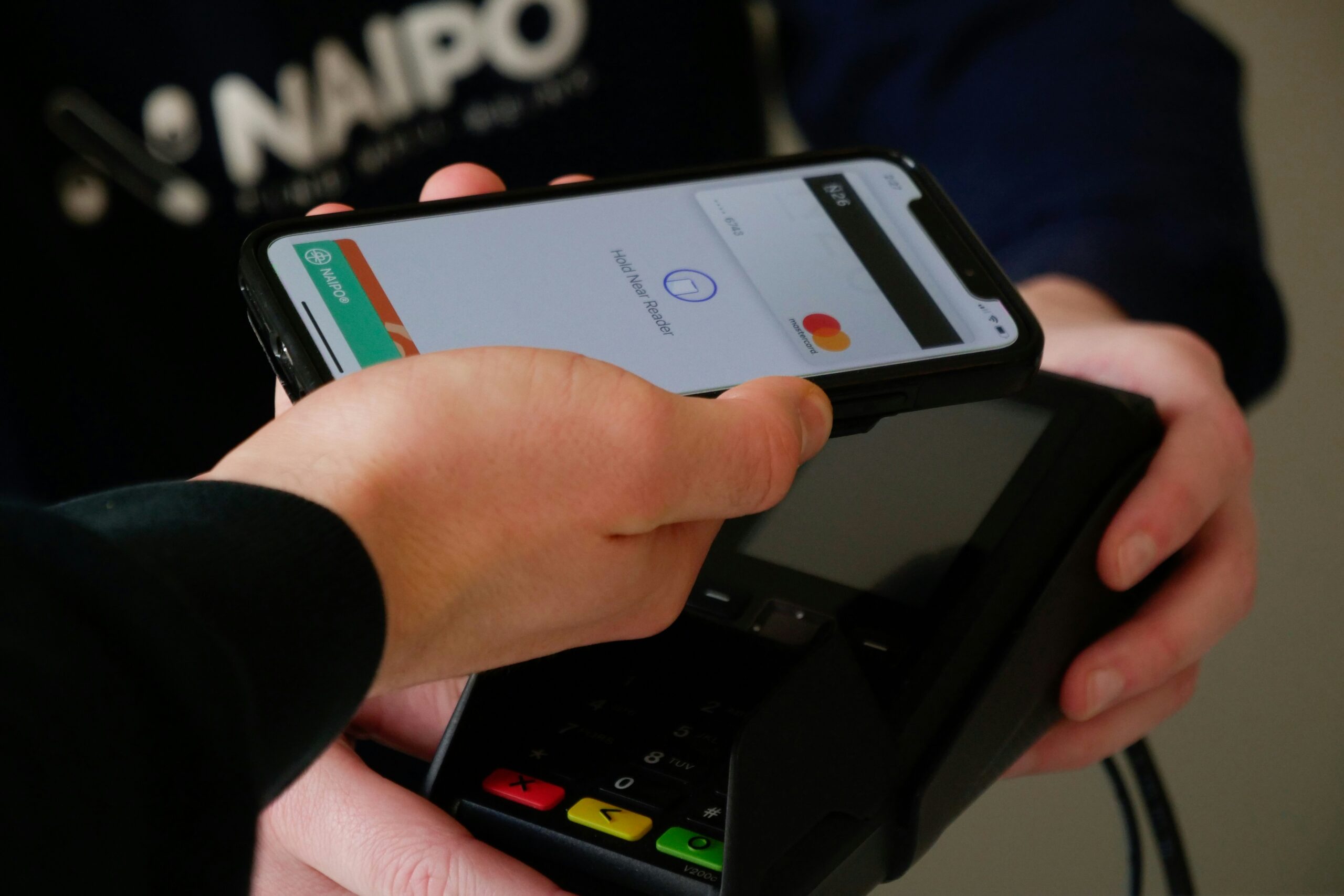
Dry spells and urgent business needs can be fixed with financing solutions. However, the risk of potentially selecting the wrong one makes the opportunity a bit of a double-edged sword. Many business owners grab the first funding offer they see in times of financial stress, but then, the rigid repayments suffocate them.
Notably, a smart strategy is to use financing to overcome existing business problems, but if the repayment structure doesn’t match your sales cycle, it’s another liability you have to handle.
Therefore, practical solutions like merchant funding exist. They let your business breathe and bring funds into your account fast without requiring you to put your personal assets on the line.
This article explains how merchant funding options make flexible cash accessible for retail and service businesses. Keep reading to better plan your finances.
What is Merchant Funding?
Merchant funding is a way for businesses to receive an up-front cash sum in exchange for a portion of their future sales. In essence, you sell a portion of your upcoming credit or debit card sales to a company in exchange for immediate cash.
Technically, it’s not a loan, but rather a commercial transaction where a funder buys your future earnings at a discount when you need instant working capital. Lenders base this funding on your business performance; they review your card sales history to determine how much cash in repayments you can handle and give you a lump sum upfront.
Notably, the repayment process for merchant funding is automatic and directly linked to your daily sales, and that amount is called a holdback. Unlike loans with fixed monthly repayments, the funding provider takes a fixed percentage of your business’s daily card swipes until the total amount is cleared.
Let’s understand it with an example. If you take $10,000 in merchant funding with a 1.2 factor rate (the lender’s fee), your total payback will be $12,000. If your holdback is 10%, the lender will take ten cents for every dollar you earn. So on a day you make $2k in sales, $200 automatically goes to the lender, and this division continues until the bill is cleared.
Flexible Merchant Funding Options for Businesses
Merchant funding ensures cash flow protection for your business because when the sales are low, your repayment installment is also smaller, and vice versa. That said, different merchant funding options have their own specifics you must understand before picking one.
Here are some choices for merchants to access quick funding:
Merchant Cash Advance (MCA)
A merchant cash advance is the most typical form of merchant funding, where you secure an upfront sum of cash in exchange for a percentage of your future credit card sales.
Once a funder gives you the required capital, it automatically takes a fixed percentage of every card swipe until the total agreed amount is settled.
This deduction happens daily as your card transactions clear, and you don’t have to record the installments. The credit card processor splits the money and sends the funder its due share before the rest hits your bank account.
Notably, since the repayment is not a fixed dollar amount, you pay less on slow days and more on high-sales days. Therefore, this model is best for retailers or restaurants with high credit card volume when they need quick capital.
Revenue-Based Financing
Revenue-based financing is similar to a merchant cash advance, but it looks at all your business revenue, not just credit cards. When a lender reviews your business for this funding, it checks your income, including bank transfers, and checks.
Then, similar to a merchant cash advance, the repayment happens through fixed withdrawals from your bank account based on your total gross revenue. That said, this model works best for SaaS companies or service businesses that don’t rely on a credit card machine.
Since your entire revenue stream is the collateral in this funding, it’s a scalable way to get an advance based on your total earning power.
Invoice Factoring
Companies often have to wait 30-60 days for clients to pay their bills in the B2B world, which obviously means your cash is trapped during this period. Therefore, invoice factoring solves this situation by letting you sell those outstanding invoices to a funding company for immediate cash.
You can receive 80% to 90% of the invoice value upfront, and when your customer pays the funding company, the remaining balance is released to you, minus a small service fee. When wholesalers and service providers cannot afford to let their revenue sit idle, this option works well.
Conclusion
Merchant funding ensures you always have enough liquid cash to manage your business operations, without adding another debt to your balance sheet. If you need clarity to sort your business finances, ROK Financial experts have your back. Our well-planned financing solutions and value-loaded blog section are there to equip you with strong financial knowledge.
FAQs
What is the difference between a factor rate and an interest rate?
An interest rate is a percentage that grows over time, so you pay more the longer you hold a debt. On the other hand, factor rate is a fixed decimal, like 1.2, that is multiplied by your advance just once. So if you get $10,000 at a 1.2 factor rate, you owe $12,000 total. This cost never changes.
Can I get a second advance if I haven’t finished paying the first?
Taking two advances at the same time is called stacking, and most financing providers advise against it. Also, two loans mean two different companies taking a percentage of your daily sales, which can easily drain your cash flow.
Does merchant funding affect my credit score?
This funding may affect your credit score if you default or have a personal guarantee. However, a soft pull during approval won’t hurt your score. Also, this is a commercial sale of revenue, and active payments are not reported as personal debt.