


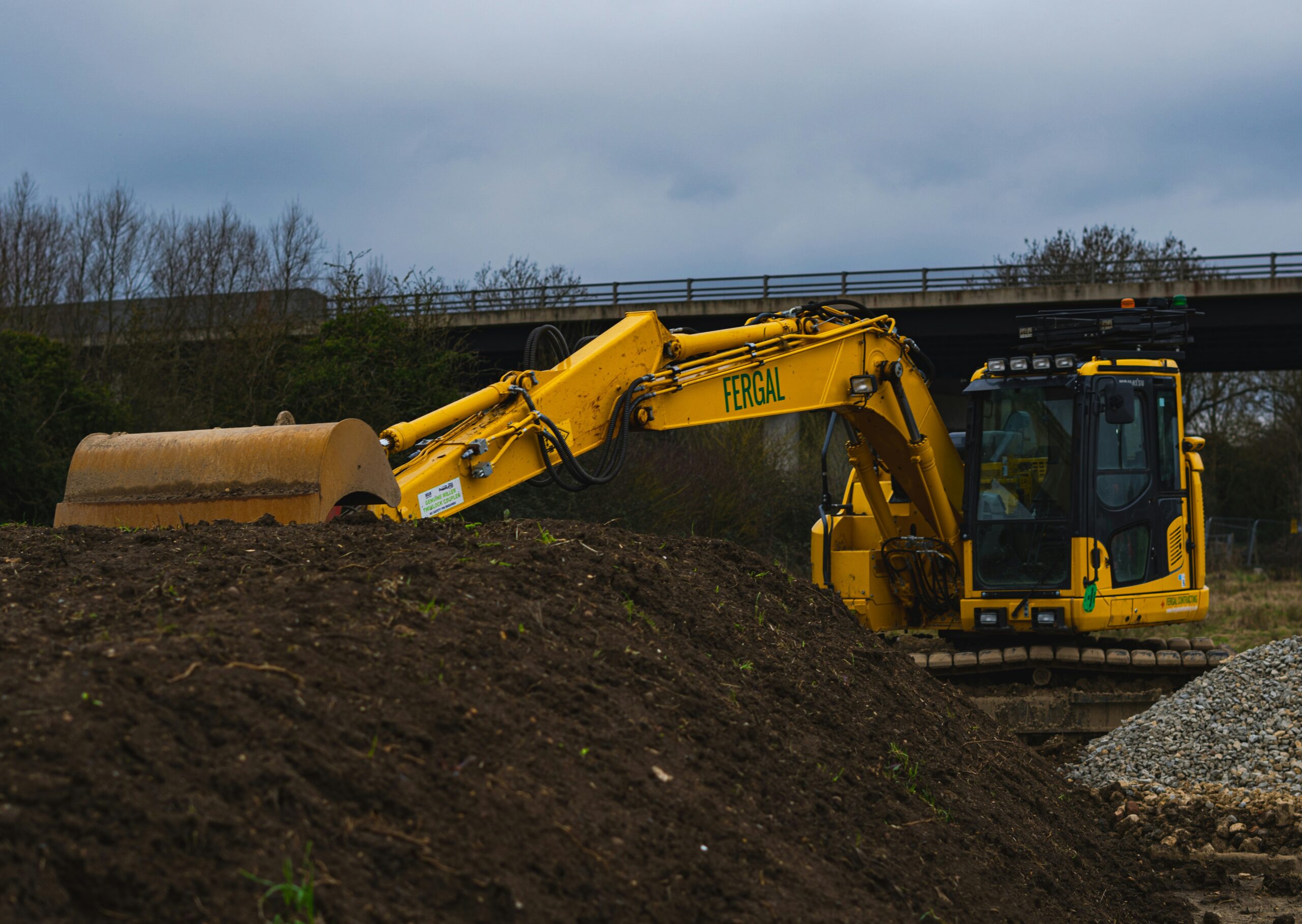
Heavy equipment is one of the largest investments a business makes. Whether it is construction machinery, transportation equipment, agricultural vehicles, warehouse systems, or industrial tools, these assets are essential for running and growing a company.
However, purchasing equipment outright can place significant pressure on working capital, especially if you’re managing multiple operational expenses at once.
Heavy equipment financing allows companies to acquire the machinery they need while spreading costs over time through structured repayment plans. This way, instead of tying up large amounts of capital in a single purchase, businesses can preserve liquidity for payroll, inventory, expansion, maintenance, and day-to-day operations.
In this article, we will learn about heavy equipment financing, why it’s necessary, and the ins-and-outs of loan approval.
What is Heavy Equipment Financing?
Heavy equipment financing is a funding solution that helps businesses purchase expensive machinery. A business borrows funds from a lender and repays the amount over time through fixed installments or structured payment plans.
In many cases, the equipment itself acts as collateral for the financing. This reduces lender risk and may help businesses qualify more easily compared to unsecured financing options.
For many companies, the primary goal is not simply acquiring equipment, but doing so without disrupting cash reserves needed for payroll, inventory, maintenance, expansion and other ongoing expenses.
Hence, heavy equipment financing is used across industries including construction, transportation and logistics, agriculture, manufacturing, warehousing, landscaping, mining, etc.
Heavy Equipment Loans vs Leasing
Businesses often compare equipment loans and leasing before making financing decisions.
With an equipment loan, the company gradually works toward ownership. Once the repayment term ends, the business owns the equipment outright. This option is often preferred for machinery expected to remain useful for many years.
Leasing works differently. The business pays to use the equipment for a fixed period rather than purchasing it immediately.
Equipment loans may make more sense when:
- Equipment has a long operational lifespan
- Ownership provides long-term value
- Businesses want to build asset equity
- Machinery is unlikely to become outdated quickly
Leasing may be more suitable when:
- Equipment technology changes rapidly
- Businesses need lower upfront costs
- Operational flexibility is a priority
- Equipment use is temporary or project-based
The right choice really depends on your operational needs, long-term costs, and how frequently equipment upgrades are required.
Why is Heavy Equipment Financing Necessary?
Here’s why equipment financing is not optional and rather an essential factor for business growth:
Preserving Working Capital
One of the biggest reasons businesses use heavy equipment financing is to preserve working capital.
Instead of spending a large amount of cash on a single purchase, companies can spread costs over time while keeping liquidity available for payroll, inventory, maintenance, fuel, and other operational needs.
You can also preserve cashflow by:
- Avoiding excessively large down payments
- Financing equipment before major seasonal demand periods
- Using equipment-generated revenue to support repayments
- Maintaining emergency operating reserves
- Comparing total financing costs instead of focusing only on monthly payments
This especially comes in handy if you’re in an industry with seasonal revenue patterns or unpredictable operating expenses.
Supporting Business Growth
Heavy equipment financing also allows businesses to scale operations faster. Waiting to accumulate enough capital for a full equipment purchase may delay expansion opportunities, larger contracts, or production increases.
Financing gives companies access to the machinery they need immediately, helping them increase capacity without interrupting growth plans.
Managing Rising Equipment Costs
The cost of construction machinery, transportation vehicles, industrial systems, and specialized equipment continues to increase across many industries.
Financing helps businesses manage these rising costs without exhausting financial reserves or relying entirely on short-term working capital.
Reducing Operational Inefficiencies
Outdated or unreliable equipment can increase downtime, repair costs, fuel consumption, and labor inefficiencies. Financing newer machinery allows businesses to improve operational performance while reducing maintenance-related disruptions that may affect profitability over time.
What Do Lenders Consider in Heavy Equipment Financing Applications?
Heavy equipment lenders evaluate both the borrower and the equipment being financed before approving funding.
Common loan approval considerations include:
- Business revenue: Consistent revenue helps demonstrate repayment capacity.
- Cash flow performance: Lenders assess whether the business can comfortably manage both operating expenses and loan obligations.
- Time in business: Established companies with operational history are often viewed as lower risk.
- Credit profile: Business and sometimes personal credit history may influence approval and financing terms.
- Existing debt obligations: High debt levels may affect borrowing capacity.
- Equipment condition and resale value: Equipment with strong market value typically improves collateral quality.
- Industry stability: Lenders may also evaluate broader economic conditions affecting the borrower’s industry.
Stronger financial profiles generally improve access to lower rates, higher financing amounts, and more flexible repayment structures.
Conclusion
Heavy equipment financing helps businesses acquire essential machinery without placing excessive strain on working capital.
At ROK Financial, companies can explore financing solutions designed to support equipment purchases across a wide range of industries. So if you’re looking to buy or lease a machine, feel free to reach out today!
Frequently Asked Questions
Is heavy equipment financing tax deductible?
With equipment financing, businesses may be able to deduct certain financing-related expenses, including interest payments and depreciation associated with financed equipment.
Tax treatment depends on the financing structure, local regulations, and how the equipment is used operationally. Some businesses may also qualify for deductions under equipment depreciation rules or business expense provisions.
Since tax implications vary, companies should consult a qualified tax professional or accountant to understand how heavy equipment financing may affect their specific financial situation.
Can used heavy equipment be financed?
Many lenders offer financing for used heavy equipment as long as the machinery meets certain requirements related to age, condition, and resale value. Lenders may ask to review maintenance records, operational history, and equipment appraisals before approving financing.
As a business owner, you should also consider long-term maintenance costs and expected lifespan when deciding between new and used equipment financing.