


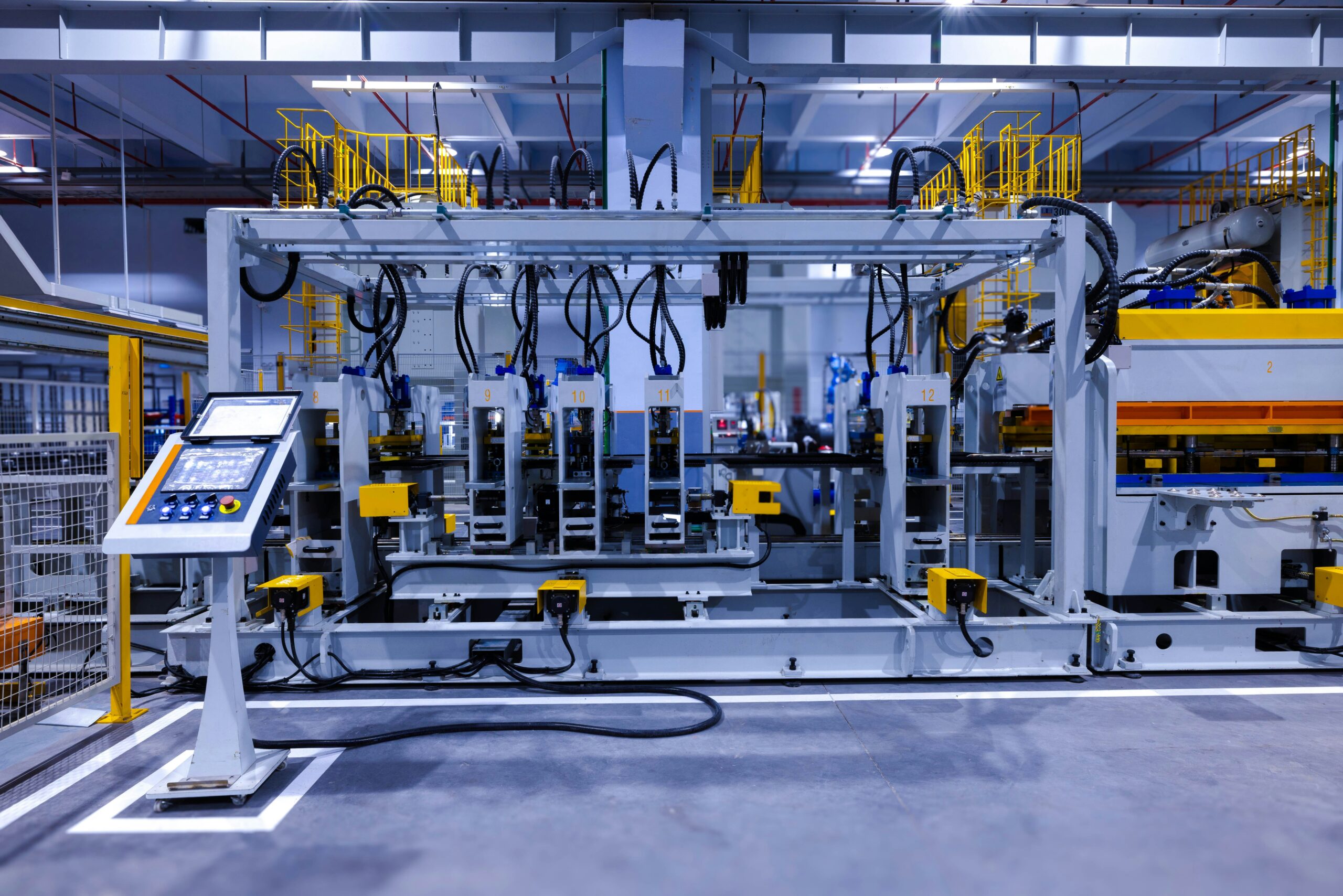
Starting a business means spending money before the business has had much time to make it. You may need commercial kitchen equipment, computers, machinery, vehicles, or specialized tools just to open your doors and start serving customers.
For a startup with a limited budget, paying for all of that equipment upfront can leave very little cash for payroll, inventory, marketing, rent, and other everyday expenses.
Equipment financing gives startups another way to handle those large purchases. Instead of paying the full cost at once, you can finance the equipment and repay the balance over time. In many cases, the equipment itself serves as collateral, which can make this type of financing worth considering for newer businesses.
Here’s how equipment financing works, and why you should consider it for your small business.
What is Equipment Financing?
Equipment financing is a type of business financing that helps companies purchase the equipment they need without paying the full cost upfront. Instead, the business makes regular payments over an agreed period, usually with interest.
For startups, this can be useful when essential equipment costs more than the business can comfortably afford in cash. Rather than using most of your available capital on one purchase, financing allows you to spread the expense over time and keep cash available for other business needs.
The equipment being financed may also serve as collateral for the financing. This gives the lender an interest in the asset until the balance is paid according to the agreement.
Why Does Equipment Financing Make Sense for Startups?
Startups have to make every dollar count. At the same time, getting a business off the ground often requires expensive equipment before there is much revenue coming in.
Equipment financing can help new business owners manage that upfront cost while keeping money available for other priorities.
Preserve Your Working Capital
Putting most of your available cash toward one equipment purchase can leave little room for everyday expenses. Startups still need money for payroll, inventory, rent, marketing, and unexpected costs.
Financing the equipment instead of paying the full price upfront can help preserve working capital for these needs.
Get Essential Equipment Sooner
Some businesses cannot start operating at full capacity without the right equipment. Waiting until you have enough cash to purchase everything outright could delay your launch or limit the services you can offer.
Equipment financing can provide access to necessary assets sooner, allowing the business to begin using them while making payments over time.
Spread Out a Large Expense
A major equipment purchase can be difficult for a new business to absorb in a single payment. Financing spreads the cost across scheduled payments, making the expense easier to incorporate into a monthly budget.
This can also make it easier to plan around other operating costs.
Put Equipment to Work
The value of equipment comes from what it allows your business to do. A commercial oven can increase a restaurant’s production capacity. A piece of construction machinery can help a contractor take on larger jobs.
Financing may allow a startup to put these assets to work sooner rather than waiting until it has accumulated enough cash to buy them outright.
The goal is not simply to borrow money for equipment. Startups should consider whether the asset is necessary, how it will contribute to the business, and whether the expected cash flow can comfortably support the financing payments.
How to Apply for Equipment Financing?
Applying for equipment financing does not have to be complicated, but preparation can make the process easier.
Before submitting an application, know what you need to buy, how much it costs, and how the financing will fit into your startup’s budget.
Identify the Equipment You Need
Start by deciding exactly what equipment your business needs. Consider the type, quantity, expected useful life, and condition of the equipment. If you are buying new equipment, get a quote or invoice from the supplier.
For used equipment, gather information about its age, condition, and current value.
Calculate the Total Cost
Look beyond the purchase price. Include costs such as delivery, installation, setup, maintenance, and any other expenses required to put the equipment into use. Knowing the total investment will help you determine how much financing you actually need.
Review Your Finances
Lenders may consider several aspects of your financial profile when reviewing an application. For a startup, this can include personal credit, business credit if available, existing debts, available capital, revenue, and projected cash flow.
Having financial records and other requested documents ready can help keep the application moving.
Compare Financing Options
Do not focus only on the monthly payment. Compare the interest rate, repayment term, fees, down payment requirements, collateral requirements, and total repayment amount.
Also check whether the financing is structured as a loan or lease and understand what happens to the equipment once the agreement is completed.
Prepare Your Application
Gather the information the lender requests. This may include identification, business formation documents, bank statements, tax returns, financial statements, equipment quotes, and information about your business.
Startups may also need to provide details about the owners’ experience and the company’s business plan or expected revenue.
Submit the Application
Once your documents are ready, submit the application to your chosen lender or financing provider. The lender will review your information and may request additional documents or clarification before making a decision.
Review the Agreement Before Signing
If you receive an offer, read the financing agreement carefully. Confirm the amount being financed, payment schedule, interest rate, fees, term, collateral, and any conditions that apply.
Make sure the expected payment fits within your projected cash flow before accepting the financing.
Once approved and finalized, the financing can be used to acquire the equipment according to the terms of the agreement. From there, your focus can shift to putting the equipment to work and making the scheduled payments on time.
Conclusion
Starting a business with limited cash does not mean you have to put essential equipment on hold. Equipment financing can help you spread a large purchase over time while keeping more working capital available for everyday expenses.
The key is choosing financing that fits your budget.
At ROK Financial, we help business owners explore financing options based on their business needs and financial situation. If you need equipment to launch or expand your startup, we can help you explore your financing options and understand what may be available.
Frequently Asked Questions
Can a startup get equipment financing without a long business history?
Lenders do offer equipment financing to newer businesses. However, approval requirements vary.
A startup may need to rely more heavily on factors such as the owner’s personal credit, industry experience, available capital, business plan, and projected revenue. The type and value of the equipment can also affect the financing decision.
A strong application should clearly explain why the equipment is needed and how it will support the business.
What happens if the equipment becomes outdated before it is paid off?
If equipment becomes outdated while you are still making payments, you generally remain responsible for the financing according to your agreement. This is why startups should consider the expected useful life of an asset before financing it. Technology and specialized equipment can become obsolete quickly, while heavy machinery may remain useful for many years.
Choosing a repayment term that makes sense for the equipment’s expected lifespan can help reduce the risk of paying for an asset after it has stopped providing value.