


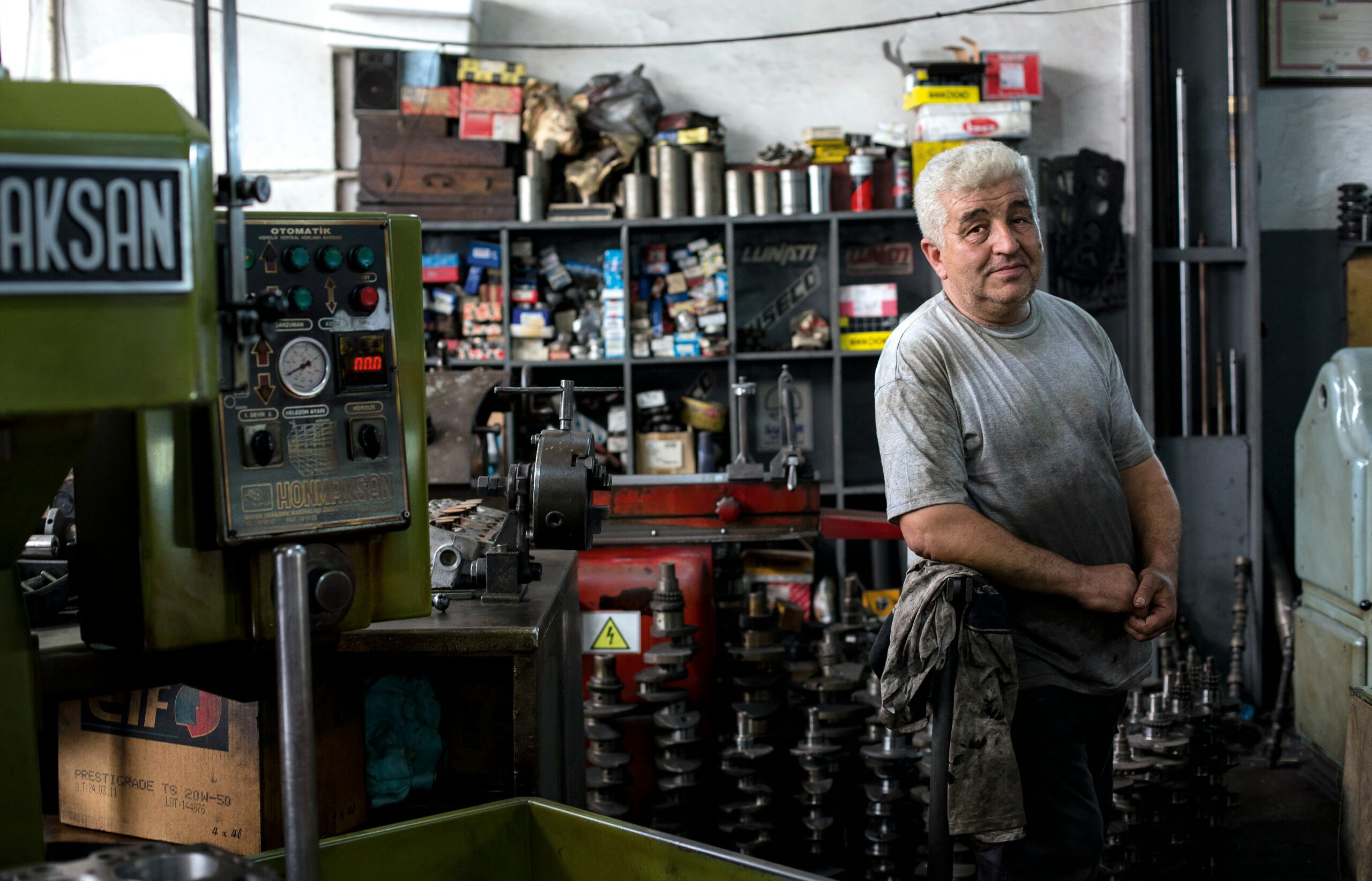
A small business running out of cash is pretty standard, but what it does next could very well determine its future. For example, if it has a few slow months and doesn’t generate enough revenue, paying salaries will become difficult.
Now, if the business takes an expensive business loan by pledging its important machinery as collateral, it risks losing that piece. If the loan can’t be repaid on time, the problem doubles because the lender will confiscate that asset.
Hence, it’s crucial that a business understands different financing models and strategically uses them to keep the costs and risks low. This article lists some useful financing options a small business can access along with some know-how on what each one costs.
Stick around to learn how much more is out there than just the standard bank loan.
What is Business Financing?
Business financing is money a company brings in from an outside source when it doesn’t have any capital. The company can use it to smooth out a slow season, buy equipment, hire more staff, or expand.
Notably, most financing works in one of two ways: the business either borrows a fixed amount and repays it over time, along with interest and fees. Or it sells its future income to get cash now and repays when its unpaid invoices are cleared.
Based on these broad definitions, here are the options a small business can access:
Term Loans
A term loan is the most familiar form of business borrowing. In this agreement, a lender provides a lump sum, and the business repays it in regular installments over a fixed period. These loans are meant for big projects, and their amounts can go up to millions. Plus, you can repay a term loan over an extended period.
That said, the main cost in a term loan comes from interest, which is charged on the balance still owed, and an origination fee. So if you sign up for a shorter term, it means larger payments but less total interest. On the other hand, a longer term eases the monthly burden and raises what you pay overall.
SBA Loans
The Small Business Administration (SBA) makes financing safer and accessible for those without enough financial history. SBA does not lend the money itself; it guarantees a portion (often 75-85% of the total amount) of a loan made by a partner lender. An authority backing reduces the lender’s risk, and the business can secure the amount at a relatively lower rate.
As a result, rates for SBA loans tend to sit below most other business financing, and their terms are also long. If a small business secures this financing, managing monthly payments is easier for it because of the predictability factor. However, approval and funding time for this financing is longer because the paperwork is heavier than with a standard loan.
Business Lines of Credit
A business line of credit is a pre-approved loan amount you can access when needed. A lender approves your line of credit limit depending on your financial metrics and business history, after which you can draw from that pool. Notably, interest accrues only on the used amount, and after you repay the used amount, the total of your approved credit line becomes available again.
Besides the interest on the drawn amount, lenders also charge a fee to open the line or to draw from it, so check the fee schedule before signing up. Since small businesses get this line approved for unpredictable expenses, the limit is expansive, often reaching $5 million.
Equipment Financing
Purchasing vehicles, production machinery, and administrative tools is expensive, which is why equipment financing exists. The machine you buy is the collateral, so if you don’t repay the borrowed amount, the lender can claim the equipment. Such an agreement lowers the lender’s risks, which means they can lend a higher amount with less difficult conditions.
Lenders typically match the loan term to the equipment’s useful life, so the repayment period is often 1-6 years. Some lenders also require a down payment to approve your equipment financing, which helps businesses secure costly machinery on time.
Accounts Receivable (AR) and Purchase Order (PO) Financing
Unpaid invoices and confirmed purchase orders hold cash that your business cannot touch yet, and these two products release it.
If you go for AR financing, a lender advances you a large share of each invoice (mostly 80-90%) and pays you the rest, minus its fee, after your customer settles the bill. Purchase order financing starts earlier because the provider pays your supplier directly. It helps a small business fulfil a larger order before the customer pays.
For both these options, the cost stands between 1-5% of the total invoice/order value. While expensive, it helps you secure money fast.
Merchant Cash Advance and Working Capital
A merchant cash advance (MCA) is not technically a loan because you sell a portion of your unpaid invoices to a lender and receive usable cash right away. This way, there is no interest because it’s technically your own money stuck in unpaid invoices. But you do pay a fee in this financing, called a factor rate, which is often between 1.-1.5 times the money a lender advances you. You multiply that number by the amount you receive to find the total you owe; for example, a 1.3 factor on $20,000 means you repay $26k.
Commercial Real Estate Financing
Buying or renovating a business location requires a hefty installment, and the financing you secure reflects that. Lenders mostly base your approved commercial real estate financing amount on the property’s value and the expected income. Besides, you are also expected to put down 20-30% of the price, while the lender finances the rest.
Their repayment terms for commercial real estate financing run from 10 to 30 years, and the interest rate can be fixed or variable. Also, closing costs, such as legal and lender fees, can add 2-5% to the loan, so keep that in mind.
Startup and Franchise Financing
Since new businesses don’t have a revenue history, they find it harder to get most traditional loans, but startup financing can help. Lenders weigh your personal credit, business plan, and the down payment you’ll be putting in to decide. Because of these attached conditions, startup loans carry higher rates and also require a personal guarantee. Similarly, in franchise financing, you pay a franchise fee (often $20k-$50k or more) and a down payment of 10-30%.
Conclusion
Business financing is meant to get you out of a tricky spot, no matter what caused it. Whether you’re low on working capital or need a huge amount for expensive machinery, proper planning can help you get it. ROK Financial offers some incredible financing tools that ensure no small business has to shut down or reduce its operations just because it doesn’t have a cash reserve. So let’s talk and find a way out.
FAQs
Does applying for financing hurt my credit score?
When a lender checks your credit with a soft inquiry, it does not affect your score. But if they run a hard inquiry, it can lower your credit score by a few points for a short time.
Can I get financing with bad credit?
Although your options are narrow and your costs rise with bad credit, some options are still available. For example, you can secure cash advances and receivable financing with a low credit score because they focus on your sales or invoices.
Can I hold more than one type of financing at once?
Yes, as long as your cash flow covers every payment, you can get more than one financing solution. But know that lenders review your existing debt before approving your application, and some contracts limit extra borrowing.