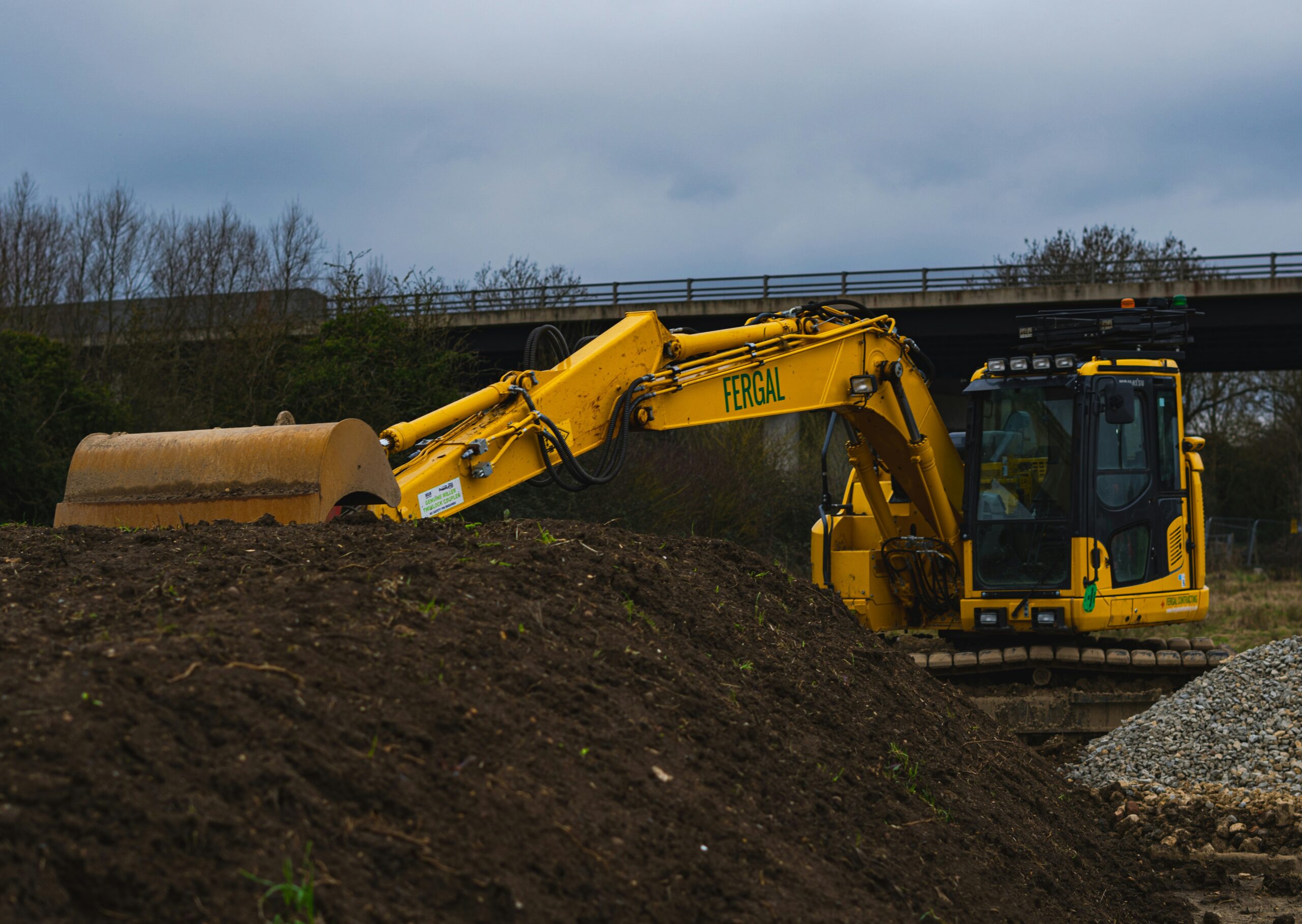
Commercial Loan Underwriting Demystified: What Lenders Evaluate Before Approval

Posted on April 3, 2026

Commercial loan underwriting is simply the process a lender goes through to decide whether to approve your business loan, and on what terms.  For businesses of different sizes the stakes change. A $25,000 equipment loan for a laundromat faces different scrutiny than a $1 million commercial mortgage for a warehouse.  Still, the core questions are […]

Commercial loan underwriting is simply the process a lender goes through to decide whether to approve your business loan, and on what terms.  For businesses of different sizes the stakes change. A $25,000 equipment loan for a laundromat faces different scrutiny than a $1 million commercial mortgage for a warehouse. 

Still, the core questions are the same. Can the business pay? Is there a fallback if it cannot? Who signs personally? What collateral secures the debt? The answers determine approval, rate, loan term, and covenants. 

Read on to understand what matters for underwriters, and what you can do right now to make your application stronger and easier to approve.

Financial Documents Lenders Usually Review

Underwriters want evidence. Here are the core documents and what each proves:

Profit and Loss Statement (P&L)

Your P&L statement shows whether your business actually makes money after expenses. Underwriters look at revenue, cost of goods sold, gross margin, and your biggest expense categories. They also study trends over time.

If you run something seasonal like a car wash, they will compare strong months to weak ones. They want to see that you plan for slow periods and keep enough cash reserves to survive them.

Balance Sheet

The balance sheet is a snapshot of your business at a specific point in time. It lists assets, liabilities, and owner equity.

Assets include things you own, such as equipment, inventory, or property. Liabilities are what you owe. Equity is what is left after debts are subtracted.

Lenders use this statement to understand leverage. If debt is already high compared to assets, adding another loan increases risk. They also check whether there is real collateral behind the numbers.

Cash Flow Statement

A business can show profit on paper and still struggle to pay bills due to a lack of cash flow. The cash flow statement tracks how money actually moves in and out of the business. Underwriters focus on operating cash flow. They want to see a consistent positive inflow or a clear, realistic plan to fix gaps.

Concrete steps to strengthen your cash flow story:

  • Show consistent deposits and explain one-off spikes.
  • Reduce unnecessary monthly expenses before applying.
  • Bring forward receivables when possible.
  • Include conservative projections, not wishful numbers.

If your bills are due every 30 days but customers pay you in 60, that timing problem matters.

To stabilize cash flow, negotiate better payment terms with suppliers. Encourage faster customer payments through early payment incentives.

Tax Returns

Business and personal tax returns provide historical proof. They confirm income, show stability, and reveal how earnings are reported.

Sometimes your accounting profit differs from taxable income. Lenders adjust for certain items when calculating true repayment capacity. They treat depreciation and one-time write-offs differently from recurring expenses.

Bank Statements

Bank statements verify the claims your financials make. Underwriters match deposits to reported sales while looking for consistency. Regular deposits that align with revenue build credibility.

Large unexplained deposits, frequent transfers between unrelated accounts, or sudden spikes in activity create questions. Anything that looks unclear slows approval.

Accounts Receivable and Payables Aging

If you sell on credit, lenders want to see how quickly customers pay you. An aging report shows how long invoices have been outstanding.

If a wholesale distributor carries many 90 or 120-day receivables, that ties up working capital. The lender will want to know how you manage that gap. They may structure financing differently if collections are slow.

They also review payables aging to see how you manage your own bills.

Ownership and Legal Documents

Articles of incorporation, operating agreements, business licenses, and insurance policies prove your business legally exists and show who controls it. Underwriters review ownership, signing authority, and any potential disputes.

Keep all financial and legal documents, such as the P&Ls, balance sheets, cash flow statements, tax returns, bank statements, contracts, and licenses well-organized. Retain records for at least two years.

Purpose of the Loan

Lenders also assess the purpose of the loan. Is the loan for buying a piece of equipment that will itself generate revenue? Or is it to cover payroll because sales dipped?

To reduce friction, explain the loan amount, purpose, repayment plan, and how the funds will result in measurable business improvements.

Clear, specific uses increase approval chances. Examples:

  • Financing a new delivery van for a wholesale distributor that expands the delivery area.
  • Purchasing a commercial-grade oven for a bakery to increase production and margins.
  • Bridging accounts receivable for a contractor awaiting insurance payouts.

When the purpose ties directly to revenue generation and you supply supporting quotes or contracts, underwriting becomes straightforward. 

Once you’ve gotten that straight, make sure to match the financing type to the business need. Don’t apply for a commercial mortgage if you need short-term working capital.

You can also provide collateral where possible, if you have surplus assets that you can pledge without crippling operations. This often improves terms.

Why Creditworthiness Matters: Personal vs Business Credit

Small businesses are often judged by their owners. If your enterprise is young or has a thin credit history, underwriters will look at the owners’ personal credit. That means your personal FICO, past bankruptcies, or late mortgages matter.

Business credit profiles become more relevant as your company ages and builds history. That profile should show vendor relationships paid on time and lines of credit managed responsibly.

Common red flags include:

  • Multiple recent credit inquiries.
  • Collections accounts or unresolved judgments.
  • Large balances on personal credit cards without an improving payment history.
  • Business credit that shows repeated overdrafts or returned checks.

If you expect an inspection on your credit history, prepare a clear explanation. Lenders accept one-time issues if you show they were isolated and resolved. You can clean up personal and business credit by paying down revolving balances and correcting reporting errors before applying.

How ROK Financial Can Help You Apply 

If you want a partner through the process, ROK Financial offers a broad set of commercial financing options and advisory support. We provide help with term loans, business lines of credit, SBA loans, equipment financing, accounts receivable financing, merchant cash advances, franchise financing, and commercial real estate lending. We focus on getting you a fast pre-approval so you can focus on running your business. Take the next practical step by talking to our new financing advisor. 

Madison Taylor

Madison Taylor is the Brand Ambassador at ROK Financial. She is responsible for raising brand awareness and business relationships with business owners across the country. Madison loves that she plays a small role in getting Business Back To Business Through Simple Business Financing and looks forward to hearing what you think about the blogs she creates! Madison has been working in the financial space for six years, and loves it! When she is not at work, you will find her at home learning a new recipe to test out on her family or going on new adventures with her friends.

View all posts by Madison Taylor

Secured Business Lending: Leveraging Assets to Access Lower Rates and Higher Limits

Posted on April 2, 2026

Secured business lending gives business owners a way to borrow money by offering assets as collateral, often resulting in lower interest costs and larger funding limits than unsecured options. If you run a café, a retail store, a logistics company, or even a growing online brand, secure financing options can open doors that traditional lending […]

Secured business lending gives business owners a way to borrow money by offering assets as collateral, often resulting in lower interest costs and larger funding limits than unsecured options. If you run a café, a retail store, a logistics company, or even a growing online brand, secure financing options can open doors that traditional lending sometimes keeps closed.

What Counts As Collateral In Business Lending

Collateral is simply something valuable that a lender can claim if payments stop. It does not mean losing assets automatically. It means the lender has protection.

Here are the most common categories.

Physical Business Assets

These are often the easiest for lenders to evaluate:

  • Commercial property 
  • Equipment
  • Inventory
  • Company vehicles

Financial Assets

Some businesses prefer not to tie up operational equipment. Invoice-backed financing is common for agencies, consultants, and B2B service providers who deal with delayed client payments. Financial assets can work instead:

  • Accounts receivable or unpaid invoices
  • Savings accounts or fixed deposits
  • Marketable securities

Intangible Assets

Due to the rise of tech startups and creative studios, these are sometimes used when physical assets are limited. The category includes: 

  • Intellectual property, such as trademarks or patents
  • Software platforms or digital products
  • Licensing agreements

Note: Before offering anything as collateral, ask yourself one question. If this asset becomes unavailable, does business continue smoothly? If the answer is no, reconsider.

Benefits And Strategic Uses Of Secured Financing

Most owners consider secured business loans because the numbers usually work in their favor. The structure often fits real business cycles better than unsecured funding.

Lower Interest Costs

Collateral reduces lender exposure. That means lower annual interest rates, reduced processing fees in some cases and longer repayment periods that ease monthly pressure. For example, a bakery upgrading ovens through asset-based lending may pay significantly less interest compared to a credit card or unsecured credit line.

Higher Funding Limits

Businesses with strong assets can access larger capital pools. Common uses include opening additional locations, buying bulk inventory before peak seasons, major renovations or technology upgrades and consolidating multiple debts into one structured payment. Providers in this space often structure loans based on asset value rather than just credit score, which helps businesses that are profitable but still building credit history.

Cash Flow Stability

Structured repayments aligned with revenue cycles help operations stay stable. Retailers often use secured financing before holiday inventory buildup. Construction companies use it to manage project timelines where payment comes later.

Relationship Building With Lenders

Some financial institutions offering secured funding focus on long-term partnerships rather than one-off transactions. That can mean ongoing funding access as business grows, advisory support on financial structuring  and faster approvals on future applications. This kind of support becomes valuable once your business scales.

Types Of Secured Business Lending Options

Different businesses need different funding structures. The following are the are widely used secured option: 

  • Asset-Based Lending: This includes loans backed by receivables, inventory, or equipment. Popular with wholesalers, manufacturers, and service providers managing invoice cycles.
  • Equipment Financing: Restaurants, medical practices, gyms, and construction use this frequently. The equipment itself often acts as collateral.
  • Commercial Real Estate Loans: Used for buying or refinancing business property such as cafés, clinics, warehouses, or office spaces.
  • Inventory Financing: Retailers, e-commerce brands, and distributors use this before peak selling seasons.
  • Secured Lines Of Credit: A flexible option where businesses draw funds as needed. Collateral still supports the credit line.

Modern alternative lenders focus on speed, flexibility, and practical business needs rather than rigid traditional banking criteria when offering these options. 

What Kind Of Businesses Can Benefit

Secured financing is not limited to large corporations. Many small and mid-sized businesses rely on it as well. 

Food And Hospitality

Cafés, bakeries, cloud kitchens, and restaurants often use secured funding for equipment upgrades, location expansion and bulk ingredient purchasing. Margins in this industry can be tight, which is why lower interest costs help.

Retail And E-Commerce

Inventory-heavy businesses benefit greatly when they need to upgrade their logistic system, improve or expand their warehouse, or stock up during peak seasons. A clothing retailer preparing for festive sales is a typical example.

Construction And Trades

Project timelines rarely match payment schedules, which is why contractors frequently finance machinery, vehicles and materials before client payments arrive. This ensures business continuity without disruption.  

Healthcare And Professional Services

Clinics, dental practices, and diagnostic centers use secured funding for medical equipment, facility upgrades and expansion into new areas. 

Creative And Tech Businesses

Agencies, SaaS startups, and media studios sometimes use receivables or intellectual property as collateral when physical assets are limited. If your business owns something valuable, secured lending becomes a realistic option.

How To Prepare And What Mistakes To Avoid

Preparation improves approval odds and keeps borrowing manageable. Here’s what you need to do: 

  • Organize financial records, including profit and loss statements, tax filings and cash flow reports. Clear documentation speeds up evaluation.
  • Get  professional asset valuations reports to make negotiations easier.
  • Understand repayment capacity by looking at realistic monthly revenue, not optimistic projections.
  • Check your credit health because even with collateral, credit history still matters.

Mistakes To Avoid

Here’s what you shouldn’t do:

  1. Overcommit key assets if losing them would disrupt your business operations.
  2. Ignore the total borrowing cost, because the interest rate is only one part while fees, penalties, and term length also matter.
  3. Skip comparison shopping, since different lenders structure deals differently.
  4. Borrow without a defined plan, as funding without a clear purpose often leads to repayment strain.

Grow Smarter With Secured Funding And See How ROK Financial Can Help

Secured lending remains one of the most practical funding routes for businesses ready to expand responsibly. It can reduce borrowing costs, increase funding access, and support expansion without overwhelming cash flow. For many businesses, it becomes part of a broader financial strategy rather than a one-time solution.

ROK Financial works with businesses across industries to connect them with funding options tailored to assets, growth plans, and financial profiles.  Exploring your options early, asking detailed questions, and choosing lenders that understand business realities often lead to better outcomes. Talk to our experts today!

Madison Taylor

Madison Taylor is the Brand Ambassador at ROK Financial. She is responsible for raising brand awareness and business relationships with business owners across the country. Madison loves that she plays a small role in getting Business Back To Business Through Simple Business Financing and looks forward to hearing what you think about the blogs she creates! Madison has been working in the financial space for six years, and loves it! When she is not at work, you will find her at home learning a new recipe to test out on her family or going on new adventures with her friends.

View all posts by Madison Taylor

Transportation Equipment Financing: Funding Fleets, Trailers, and Logistics Growth

Posted on April 1, 2026

Cash is your survival tool in the transportation world. While most transporters think buying a truck in cash is safer, it’s more like a trap. That’s because in an industry where a single engine blow-out can cost five figures, your liquidity is your lifeline.  So if you sink $150,000 into a depreciating asset, that money […]

Cash is your survival tool in the transportation world. While most transporters think buying a truck in cash is safer, it’s more like a trap. That’s because in an industry where a single engine blow-out can cost five figures, your liquidity is your lifeline. 

So if you sink $150,000 into a depreciating asset, that money is dead – you can’t spend a truck to pay for emergency repairs, right? Needless to say, buying transportation equipment with cash locks your wealth into steel and rubber that loses value every mile they drive. 

Slowly, your business becomes asset-rich but cash-poor: you own the fleet, but if a new contract lands on your desk that requires three more trailers to fulfill, you’re stuck. 

That’s why transportation equipment financing exists. It allows you to distribute the cost of the equipment over its working life, all while keeping your money free for operational costs. Today, we’ll explain how this financing tool can fund your fleets without draining your budget. Keep reading to scale your business the right way. 

What is Transportation Equipment Financing? 

Transportation equipment financing is a financing option for acquiring trucks, trailers, and other logistics equipment without paying large sums up front. Under this agreement, a lender provides capital to purchase the asset, and you repay the balance in monthly installments.

The defining characteristic of this financing is that the equipment you acquire serves as the collateral. It’s not like a general business loan, which requires you to put up personal property or other business assets. This loan’s security is built directly into the vehicle you are buying, which reduces the lender’s risk and can increase your chances of approval.

Equipment financing, be it for a construction company or a transportation business, is meant to keep your cash reserves available for operational costs. The equipment begins generating revenue once it’s functional, and you can use that money to cover the monthly payment. 

When to Use Transportation Equipment Financing 

Running a profitable transportation business is a numbers game because here, the margins are hard to maintain. That’s why financing tools that are exclusive to this industry exist: they allow you to purchase or upgrade your fleet before its absence can incur losses. 

Here are some points in business when this financing is the right choice:


Moving from Sub-Contracting to Owning

Sub-contracting in the transportation industry means hiring another company to move your freight via their vehicles and drivers. And while this is a useful starting point, it eventually hits a ceiling. 


When you pay a third party to haul your goods, you pay for their fuel, insurance, and profit margin. And if your delivery volume is consistent, those fees quickly add up to more than a monthly financing payment for your own equipment.


Therefore, transportation equipment financing allows you to reclaim that lost margin. With this tool, you can invest it into an asset that stays on your balance sheet instead of losing capital to a middleman. When you have total authority over your logistics, you no longer have to work around a subcontractor’s availability or accept their pricing hikes. 

Modernizing for Fuel and Repair Savings

Maintaining an old fleet drains your business, but many transportation business owners hold onto aging equipment. They do it to avoid a new monthly payment, but ignore the tipping point when the money they lose to poor fuel mileage and repair costs is more than a financing payment for a newer model. 

That’s why transportation equipment financing allows businesses to trade those expensive repair bills for a monthly cost. Most modern engines offer better mileage and can lower your fuel bill. Moreover, newer equipment comes with warranties, and you don’t have to worry about a sudden breakdown ruining your week’s profit. 

Scaling Up to Meet New Contracts

Landing a major contract can be more of a crisis than a win if you don’t have the capacity to handle the extra volume. Needless to say, in logistics, growth opportunities don’t wait for you to save up six figures in cash. 

For instance, if a client needs more trailers moved, and you can’t fulfill the request, they will simply call a competitor who can. And you cannot grow a business if you are forced to turn down work because your fleet is too small.

Luckily, a good financing solution helps you scale your capacity as demand arises. It bridges the gap between the opportunity and the capital needed, so you can get the necessary vehicles on the road immediately. 

Adding More Vehicles to the Fleet

Moving into new markets is inevitable for business growth, but it often requires specialized gear, which is expensive. If you use your cash to buy them, it can be a massive risk. For example, if that new market doesn’t work out as planned, your capital will be trapped in a machine you can’t easily sell. 

That’s when you prefer equipment financing to test these new revenue streams without an upfront gamble. You can put a specialized truck on the road and let the new service prove it can make money. Doing so will keep your main cash reserves safe and available for your everyday needs. 

Handle Equipment Failure 

A blown motor or a totalled trailer means that the said machine’s revenue vanishes instantly, but the driver’s wages and overhead costs stay the same. If you don’t have enough to drop six figures on a replacement, that one breakdown can paralyze your entire operation. 

But when you opt for financing, it allows you to get a replacement vehicle into your rotation right away, so your business doesn’t skip a beat. There is no massive hit to your bank account, and you can trade that shock for a predictable monthly payment.

Control Your Finances Better 

Even if your business is doing well, putting a huge sum on the line for new machinery can be risky. That’s why financing solutions exist: they let you add a new fleet to your inventory and profit from it without depleting your cash reserves. If you need financing packages that best suit your business’s current circumstances, ROK Financial is here with incredible financing. Call us, and we’ll help sort your money matters! 


FAQs

Can I get financing if I am a new owner-operator?

Yes, but expect the terms to be stricter as lenders focus on your CDL (commercial driver’s license) experience and down payment. If you have a solid contract or consistent work lined up, lenders are more likely to fund your new venture.

What happens if the equipment value drops faster than the loan balance?

This problem is called being “upside down.” If you owe more than the truck is worth, you’re at a loss. So to prevent this, you should make a larger down payment or choose a shorter loan term to keep equity in your equipment.


Can I include soft costs like registration and insurance in the financing?

Yes. Many lenders allow you to bundle sales tax, registration, and initial insurance into the loan. It’ll reduce your out-of-pocket costs and let you get the truck on the road with very little upfront cash.

Madison Taylor

Madison Taylor is the Brand Ambassador at ROK Financial. She is responsible for raising brand awareness and business relationships with business owners across the country. Madison loves that she plays a small role in getting Business Back To Business Through Simple Business Financing and looks forward to hearing what you think about the blogs she creates! Madison has been working in the financial space for six years, and loves it! When she is not at work, you will find her at home learning a new recipe to test out on her family or going on new adventures with her friends.

View all posts by Madison Taylor

Revolving Business Credit: Maintaining Financial Flexibility in Uncertain Markets

Posted on March 30, 2026

Most businesses don’t realize that there is often a thin margin between a great sales month and a crunch where they are out of cash.  The transition from “business as usual” to a tight situation can happen in one day. For instance, your main client might delay an invoice while a critical piece of hardware […]

Most businesses don’t realize that there is often a thin margin between a great sales month and a crunch where they are out of cash. 

The transition from “business as usual” to a tight situation can happen in one day. For instance, your main client might delay an invoice while a critical piece of hardware also fails, and suddenly, you don’t have enough to cover the repair. 

Most small businesses wait until the crisis hits to find a solution. But when your back is against the wall, the available options are expensive and (sometimes) exploitative. 

That’s why you need to be smarter with capital management and always have a safety net. A flexible financing option, such as revolving business credit, lets you cover unforeseen costs and maintain your momentum. 

This article explains how a business credit can be your backup in uncertain markets where most funds may take months. Keep reading to know if this financing makes sense for your particular situation.

How Does Revolving Business Credit Work?

A revolving credit is a financing agreement that gives you a set amount of capital to pull from on an as-needed basis. It’s not a loan that gives you a lump sum amount that you repay in standard installments. Instead, your approved revolving credit stays open, and you’re under debt only after you use from the available limit, much like your personal credit card.

The revolving nature of this credit makes a continuous cycle possible.  Put simply, you borrow, repay, and your credit limit resets. 

For example, if you are approved for a $50,000 limit and draw $10,000, your available credit drops to $40,000. After you pay that $10,000 back, your available limit immediately restores to the full $50k, which you can use whenever required. 

Business credit is for efficiency. You don’t have to reapply for a new loan every time you need free-flowing cash. Instead, these funds are pre-approved, and the money is always there when you need it. 

It’s worth noting that you only pay interest on the amount you’ve drawn, not the full approved amount. So if you have a good business month and don’t draw from your available credit, you won’t be charged any interest. But when there is a dip, the balance is always available as a silent backup.

How a Revolving Business Credit Helps Maintain Financial Flexibility 

A revolving credit only becomes a debt when you spend the money; before that, it’s only a safety net for your business. And if a problem arises in your business, you can fix it with a click. 

It gives you the power to act fast when timing is everything. Here are some reasons that make this financing solution a smart choice:

Improve Cash Flow Gaps

A big challenge in business can be the timing mismatch between expenses and revenue. There can be times when fixed costs are due immediately, but your payments are stuck somewhere. It’ll create a cash-flow gap and stall your momentum, forcing you to drain your operating capital.

Therefore, a revolving business credit works as a calculated solution. It allows you to draw the amount needed to cover your immediate obligations without touching your long-term savings. Using this credit will also help keep the lights on, regardless of when a customer’s check actually clears. After income arrives, you replenish the credit and reset your limit. 

Handle Seasonal Swings

Most industries operate on a cycle of high and low demand and quiet periods. And even though your revenue depends on the seasonal demand, most of your expenses, like rent, insurance, and core payroll, will remain constant. 

Such slow months can deplete your cash reserves, but not with a revolving credit to rescue you. It provides the capital to maintain operational stability during these predictable dips. You can use the funds to cover overhead expenses without pausing your work. 

Ready for Urgent Repairs or Inventory Stocking 

Equipment failure or a sudden need to increase inventory inventory can stall a project indefinitely. In such situations, most businesses don’t have the luxury of applying for a loan. Loan approvals take weeks, and such a delay can turn a minor repair into a massive operational delay, which can cost you time and client trust.

That’s when your business credit will be a ready reservoir of capital. You can access this pre-approved cash instantly to fix machinery or restock supplies to stay on schedule. There’s no pressure to choose between an expensive emergency loan and a total work stoppage. 

Flexible Repayment Terms

Most business loans require the same payment every month, no matter how much money you make. Such a rigid structure can strain your bank account during a slow period, forcing you to choose between paying the bank and growing your business. When your income changes from month to month, a fixed bill is a liability. 

That’s why a revolving credit gives you control over your repayment schedule. You only have to cover a monthly interest payment, which lets you decide how much of the debt to pay back based on your current cash flow.

Spending Freedom

Standard business loans have strict rules. For instance, you can use equipment financing only to purchase essential machinery and vehicles needed for your business. But having this restriction often leaves owners with cash they can’t legally use to solve their urgent problems. 

A revolving credit removes these barriers by giving you total control. You decide what is most important at any given moment, i.e., covering payroll, repairs, or funding a marketing push.  

Always Have a Plan B

Some business expenses are unexpected, and if you don’t have the funds to manage them, you’re in for a loss. That’s why ROK Financial makes business financing super accessible and reliable. If you want to have your money matters sorted, explore our funding solutions and never move without a backup in this uncertain business world. 

FAQs

Can I use my business credit for personal expenses? 

No. You must keep business and personal finances separate, and using these funds for personal bills can cause tax penalties or legal trouble. Also, the IRS only allows interest deductions for business operations, and mixing funds will mean accounting chaos. 

What is a non-usage fee? 

Lenders charge a fee to keep the credit available, even if you don’t spend anything. This is a commitment fee for maintaining your access to the funds and is not usually very high compared to the credit limit made available for your business.

Can the lender close my credit without notice? 

Yes. Most contracts allow lenders to freeze your credit or demand full repayment if your finances weaken or the economy shifts. Because of these terms, you should not rely on a revolving credit as your only source of emergency cash.

Madison Taylor

Madison Taylor is the Brand Ambassador at ROK Financial. She is responsible for raising brand awareness and business relationships with business owners across the country. Madison loves that she plays a small role in getting Business Back To Business Through Simple Business Financing and looks forward to hearing what you think about the blogs she creates! Madison has been working in the financial space for six years, and loves it! When she is not at work, you will find her at home learning a new recipe to test out on her family or going on new adventures with her friends.

View all posts by Madison Taylor

Construction Equipment Leasing: Flexible Options for Contractors Managing Project Cycles

Posted on March 27, 2026

A construction business requires machinery and tools, which can eat up a big part of your operational expenses. For instance, if your new project needs a crane, the $200,000 upfront cost can stall your momentum before the shovel even hits the ground.  But the good thing is that you don’t have to own all the […]

A construction business requires machinery and tools, which can eat up a big part of your operational expenses. For instance, if your new project needs a crane, the $200,000 upfront cost can stall your momentum before the shovel even hits the ground. 

But the good thing is that you don’t have to own all the equipment being used in your projects. Construction equipment leasing lets you access expensive machinery without the hefty upfront cost of a full purchase. Instead, you lease the piece of equipment for a set period and, after project completion, return it to the owner. 

This idea may sound a little impractical to contractors who are used to having a well-stocked equipment inventory. But once you understand how leasing might be more cost-effective, you’ll likely lean in its favor. 

This blog explains how construction equipment leasing works and why it is a superior choice for contractors. Keep reading to know how this model can save you from going cash-strapped. 

How Construction Equipment Leasing Works

A lease is a contract where you pay to use an asset you do not own, such as renting a house. The same logic applies to construction equipment leasing, where a contractor can use heavy machinery without purchasing it. 

In an equipment lease agreement, a construction company pays the lender a monthly fee to use things like excavators, cranes, or bulldozers for a set period. It’s worth noting that the business using a machine is the lessee and the company/lender that owns it is the lessor. 

You might wonder why not just acquire a machine or tool as a contractor, right? The reason is simple: companies lease equipment when they don’t have massive capital to purchase it in full, or they need it for a limited time, and buying it will mean it sits idle after a while. So instead of tying up a huge amount to a single machine, a smart contractor would rather lease a bunch of them to complete the project 

For example, if a paving contractor needs a $250,000 road roller for a two-year highway contract, they may enter a 24-month lease instead of purchasing it. This way, they’ll pay a set monthly amount and at the end of the two years, return the machine. 

That said, an equipment lease can be of the following two types:

Operating Lease

An operating lease is a short-term commitment where you pay to use the equipment and return it to the lessor when the agreed period ends. Since you don’t plan to buy the rented equipment, your lease payments are more like a monthly operating expense.

Capital Lease

A capital lease functions like a rent-to-own agreement. It means that you use the equipment, but the contract is set in a way that you will eventually take full ownership. Notably, a capital lease is a better choice for essential equipment that you will likely use for years. 

Benefits of Leasing Construction Equipment Instead of Purchasing 

Buying a heavy machine may lock your capital into a single asset. You might even need equipment financing to ‘own’ that particular tool, and a large amount will be stuck while you still have to cover operational expenses. 

That’s when equipment leasing is a better option because it frees up your cash for other tasks. Here are some benefits of construction equipment leasing that allow contractors to complete more projects: 

Access to Newer Technology

Modern construction machinery can be far more efficient than older models, and purchasing a piece of equipment will keep you stuck with the same tech for years. Therefore, leasing allows you to upgrade to the latest versions whenever a contract ends. Contractors can benefit from these machines’ better fuel economy or digging power, and help their operators work better. Notably, using the best tools on the market also makes your bids more competitive because you finish projects faster.

Fewer Maintenance Headaches

When you own equipment, you’re responsible for every breakdown, and these costs can even impact your project budget. Luckily, most construction equipment leasing agreements include a maintenance plan where the lessor handles all repairs. So even if a machine stops working, the leasing company fixes it or sends a replacement. You do not have to hire specialized mechanics or buy expensive spare parts. 

Easier Tax Deductions

When you buy a machine, you have to track its depreciation over many years, which can delay your tax benefits. On the other hand, the IRS treats lease payments as a direct business expense, and you can often deduct the monthly payment immediately. This simple process lowers your taxable income and keeps more cash in your business instead of sending it to the government. 

Preserving Your Borrowing Power

Buying heavy machinery may mean you take a massive loan, which will sit on your balance sheet. This debt can even make your business look risky to lenders, and banks may refuse to give you more credit if they see you are already maxed out on equipment loans. Luckily, equipment leasing doesn’t do that as it’s more like a monthly expense and not a debt. You can keep your financial profile clean and your credit lines open. 

Project-Specific Flexibility

Construction jobs have different requirements—you may need a specialized machine for one contract but never use it again. If you purchase that too, you’ll have an expensive (and even useless) asset sitting in your yard. But with leasing, you get the exact tool you need for the work at hand and return it when the project is finished. You won’t pay for machinery you don’t use. 

Don’t Tie Your Resources 

Equipment leasing helps ensure that your money isn’t tied up. Instead, it lets you use the same machine for a monthly fee and return it when it’s no longer relevant to your project. For more information and the best leasing rates, contact ROK Financial and have your financing sorted! 

FAQs

What happens if the equipment breaks down on the job site?

If the machine fails due to normal wear or mechanical issues, the leasing company usually fixes it or gives you a replacement. However, if your operator causes the damage through misuse or negligence, you’ll have to cover the repair costs. That’s why most contractors use insurance or damage waivers to cover this risk.

What credit score is required to qualify for an equipment lease? 

Lenders typically seek a score of 650 or higher for the best rates. But since the machine itself acts as collateral, requirements are more flexible than bank loans. So even if your score is lower, a larger down payment or proof of strong project contracts can help you qualify.

Can I add additional equipment to an existing lease agreement? 

Yes. You can use a “master lease” to add more units as your workload grows. Such a lease keeps all your machinery under one contract with a single monthly payment date.

Madison Taylor

Madison Taylor is the Brand Ambassador at ROK Financial. She is responsible for raising brand awareness and business relationships with business owners across the country. Madison loves that she plays a small role in getting Business Back To Business Through Simple Business Financing and looks forward to hearing what you think about the blogs she creates! Madison has been working in the financial space for six years, and loves it! When she is not at work, you will find her at home learning a new recipe to test out on her family or going on new adventures with her friends.

View all posts by Madison Taylor

Cash Flow Based Lending: Financing Growth Using Revenue Instead of Hard Assets

Posted on March 26, 2026

Your revenue can be a powerful negotiation tool when you apply for a loan. For instance, if your sales are consistent, the lenders see that your business model works and you can repay a loan. Instead of stressing over what you personally own, your bank statements are the credentials a lender needs to approve your […]

Your revenue can be a powerful negotiation tool when you apply for a loan. For instance, if your sales are consistent, the lenders see that your business model works and you can repay a loan. Instead of stressing over what you personally own, your bank statements are the credentials a lender needs to approve your financing.

Pledging hard assets like your house, vehicle, or a commercial space is also risky and not doable for companies that operate online or are in the service industry. That’s when cash flow-based lending fixes your situation. 

With this model, you can ask a lender, “I am making abc in sales, give me xyz to further my growth,” instead of earning their trust via collateral. However, it’s worth noting that revenue-based financing is (obviously) tied to how well your business is doing—if it’s doing well, you don’t run out of cash, even if it’s an advance from a lender. 

This article explains how cash flow-based lending doesn’t let your accounts run dry and how you can leverage it to keep winning. Keep reading. 

What is Cash Flow-Based Lending?

Asset-based lending means that you pledge something physical (such as a warehouse or your home) to get the capital required to keep your business running. However, cash flow financing changes that. In this model, the lenders ask ‘How much do you sell’ instead of ‘What do you own’ to check your financial standing. 

The lender treats your verified revenue as the primary security for a loan. If your business generates consistent cash flow, you get a green signal because it shows you can repay. Lenders also check your Debt Service Coverage Ratio (DSCR), which means comparing your net operating income to your total debt obligations. This metric shows them that your net operating income can handle loan payments while also leaving enough for your expenses. 

Here are the main types of cash flow-based lending that businesses can explore:

Merchant Cash Advance (MCA)

If your business handles a good volume of credit card transactions, you can qualify for a merchant cash advance. It means that you receive a lump sum upfront in exchange for a portion of your future daily sales. And since this funding’s repayments are a % of your daily take, the amount you pay back automatically adjusts based on how busy or slow your sales are. 

Revenue-Based Financing

As you can tell from the name, revenue-based financing means that a lender gives you an upfront sum of capital in exchange for a fixed percentage of your future revenue. This payment structure is dynamic, and if your sales increase, you pay the balance down faster. Similarly, your payment amount drops during a seasonal slump. 

Invoice Factoring

Invoice factoring works best for B2B companies that struggle with dead time between completing work and getting paid. As these businesses often have to wait for up to 90 days to receive a payment, they can sell that outstanding debt to a factoring company at a small discount. In return, the borrower receives a big portion of the invoice value as immediate cash to cover operational expenses. 

Working Capital Lines of Credit

A working capital line of credit is a revolving loan where, instead of taking a one-time amount, you get access to a pool of funds. You can then draw from that whenever needed and only pay interest on the amount used, not the total limit available. Also, when you repay what you’ve borrowed, those funds become available to use again.

Why Is Using Cash Flow-Based Lending Safer?

It’s not uncommon to accept potentially risky loan agreements when you’re short on funds. However, cash flow loans are among the safest options because they don’t require you to pledge anything crucial. 

Here are some facts that make this funding a safer choice:

No Collateral Required

Borrowing money can almost always put your most valuable assets on the line. For example, if you take a bank loan, you might be forced to pledge your home or equipment as security, which creates a high-stakes environment. 

However, cash flow-based lending removes this doubt as it’s secured by your future revenue. You don’t sign over physical collateral and enter a safer deal to scale without gambling your long-term stability. 

Flexible Qualification

Banks and lending giants mostly trust businesses that own heavy machinery or real estate. Needless to say, this is a major hurdle for service providers, software firms, and consultants. That’s because if you work online or lease your office, you don’t have the hard assets a bank wants to see. 

Luckily, this is not a requirement with revenue-based financing because it focuses only on your customer base. Qualifying for these loans is based on your monthly sales, which means even asset-light companies can finally get approved.

Growth-Focused Limits

Your collateral’s value caps how much you can borrow. Once you have leveraged your assets, you hit a ceiling that stops your growth. But cash flow loans remove this barrier by tying your credit limit to your sales. 

Put simply, when your business brings in more money, your borrowing capacity automatically increases. This shift gives you a scalable funding model where hitting new revenue milestones becomes the only requirement for accessing more money.

Operational Freedom

Most loans often come with strings. For instance, if you take equipment financing, the bank dictates how that money is spent, and you cannot use it to cover a sudden payroll gap. 

Therefore, revenue loans give you total control over your capital. This funding is based on your overall revenue performance, and lenders don’t micro-manage your spending. You can use these funds to employ more people, buy bulk inventory, or invest in a massive ad spend; the choice is yours. 

Ownership Retention 

When you trade equity for funding, you give up a piece of your company, which can slowly dilute your ownership. But cash flow-based lending is a much cleaner alternative. It is a strictly financial arrangement, not a stake. 

You get the capital required, keep the equity, and stay in total command of your company’s direction. The lender is only interested in your revenue and doesn’t interfere with how you run your business. 

Opt For Less Risky Alternatives

Borrowing money always comes with some conditions, so it’s in your best interest to follow a safer route. If you’re struggling with managing your operational expenses, the experts at ROK Financial will guide you according to the situation. So don’t follow the standard procedures; there are much easier options around. Call us and let’s discuss your next business funding! 

FAQs 

What happens to payback if my business has a slow month?

As payments in revenue-based models are a percentage of your sales, your payment amount drops when revenue decreases. So if there are seasonal dips, you don’t have to worry about a high fixed bill.


What debt-to-income ratio do I need to qualify? 

Lenders prefer a Debt Service Coverage Ratio (DSCR) of 1.25 or higher. It means your business generates $1.25 in profit for every $1 of debt—that 25% buffer proves you can cover your loan and daily expenses.

Can I get this funding if my business is very new? 

Most lenders require two years of data. However, ROK Financial offers merchant cash advances to businesses that have been open for just 4 months. Also note that requirements for lines of credit or AR financing are slightly different. For more accurate information, contact us right now. 


Madison Taylor

Madison Taylor is the Brand Ambassador at ROK Financial. She is responsible for raising brand awareness and business relationships with business owners across the country. Madison loves that she plays a small role in getting Business Back To Business Through Simple Business Financing and looks forward to hearing what you think about the blogs she creates! Madison has been working in the financial space for six years, and loves it! When she is not at work, you will find her at home learning a new recipe to test out on her family or going on new adventures with her friends.

View all posts by Madison Taylor

Bridge Loans for Real Estate: Short-Term Capital to Close Gaps and Capture Opportunities

Posted on March 25, 2026

Imagine finding a high-value property when your capital is tied up in another asset of a pending sale. That liquidity gap could kill a solid potential deal and end your competitive edge.  The real estate market always prioritizes buyers who can close immediately, but not having cash at hand does the opposite. Moreover, bank financing […]

Imagine finding a high-value property when your capital is tied up in another asset of a pending sale. That liquidity gap could kill a solid potential deal and end your competitive edge. 

The real estate market always prioritizes buyers who can close immediately, but not having cash at hand does the opposite. Moreover, bank financing is often too slow to meet such deadlines, and waiting weeks for an approval can mean losing the opportunity to a faster bidder.

That’s why there are financial solutions like bridge loans for real estate meant to cover this window. Such loans help you become a cash buyer and capture opportunities even when your long-term capital isn’t available. 

But to properly use bridge loans for real estate, you must balance the urgency of the deal against the specifics of the loan. This article explains this funding solution in detail to help you make an informed decision. 

Keep reading and fund your next venture with full clarity!

What is a Bridge Loan?

Bridge loans are short-term funding solutions you use to cover a capital gap. Think of this loan as a temporary financial link between your current position and a long-term solution. Real estate investors mostly resort to bridging loans when they have applied for a bigger funding that will take time for processing. 

Notably, this solution is meant for speed, so after getting approved for a bridge loan, you can fund a deal/purchase in 10-14 days. Unlike a standard mortgage that prioritizes your personal income history and tax returns, these loans are asset-based. 

Lenders focus on equity and the value of the property used as collateral. It’s also worth mentioning that many bridge loans are structured as interest-only, so your monthly out-of-pocket cost is lower as you aren’t paying down the principal until the end. But at the end of your loan term (which is mostly 6-24 months), the entire balance you borrowed earlier is due in one balloon payment. Therefore, you must have an exit strategy before accepting this funding because the full amount will be due at once. 

When Do Bridge Loans for Real Estate Make the Most Sense?

Missing a profitable deal because your bank is still doing the paperwork can be avoided. When you can deploy the right financial tool at the right time, your business can grow—bridge loans are that tool for short-term windows.

Here are some points where this funding suits well:

Buying Before Selling

A core issue real estate investors face when buying a new property before selling the old one is that their cash is trapped. They either want to use the older property’s selling amount to fund this or have applied for commercial financing, but in either case, they don’t have the money at the moment. 

A bridge loan can solve this problem by using both properties as security instead of you waiting for a buyer to hand you a check. Evaluating both assets allows the lender to advance the cash you need to close the new deal. It also removes the need for a sale contingency and makes your offer much stronger to a seller. 

After getting approved, you typically have a 12-month window to sel. And during this time, you only pay the interest, keeping your monthly costs low. And once your old property  sells, you can use the proceeds to pay off the loan in one final balloon payment.

Winning Competitive Bids

Sellers in high-demand markets value buyers who can pay fast. However, a mortgage requires a 45-to-60-day window for bank underwriting and appraisals. And in a bidding war, a seller will almost always pass a slow bank-dependent offer in favor of a buyer who can close in two weeks. That’s how a bridge loan changes your status to a cash buyer by bypassing the administrative hurdles.

Since bridge lenders prioritize the property’s value, this asset-based approach makes the diligence process faster. Oftentimes, you can get the funding within 10 to 14 days to win the asset and then take your time to refinance into a long-term loan once you have secured the title.

Property Renovations (Fix-and-Flip)

Most banks won’t lend money for a fixer-upper, as they take a damaged house as a bad risk. So if a property needs a total gut job, you will likely not get a mortgage. But luckily, a bridge loan works here. The lender looks at the future value of the house (what it will be worth after you fix it up) and approves you for bridge financing

If we talk about the specifics here, the lender might give you the money in stages for a fix-and-flip deal. For instance, they may pay for the house first and keep the renovation money in a separate account. After you finish parts of the work, you ask for a draw (a payment) to cover those costs. 

Securing Auction Purchases

Winning a property at auction has strict deadlines. Most auctions require you to pay a deposit the same day and the remaining balance within 28 days; otherwise, you lose your deposit and the property. 

It’s a fact that banks don’t move this quickly, and their usual approval and underwriting process may take weeks (far too slow for auction terms). That’s when you use bridge financing meant for such tight windows. 

Getting the money in your account within 10-14 days means you can meet the auctioneer’s 28-day deadline. Once you own the property and have the title in hand, you have the breathing room to either flip the property or transition into a lower-interest loan.

Expiring Purchase Options

The expiring option in real estate gives one the right to buy a property at a set price, but it has a strict deadline. If your long-term bank loan is delayed and you miss that date, you lose the deal and even the deposit. In this case, a bridge loan’s cost is much lower than losing your down payment, and investors trust this route. 


Because bridge lenders focus on the property rather than a deep audit of your personal taxes, they can approve the money in a few days. Eventually, you can close the purchase on time and save your deposit. 

Don’t Let Good Deals Fall Through 

The real estate market favors those who have the investments ready. But because that’s not always possible, you have bridge loans to close those gaps. If you want to have your finances sorted to make your investments fast and profitable, ROK Financial has some of the best deals for you. Explore our financial solutions to thrive in this cut-throat business world. 

FAQs

Can I include renovation costs in the bridge loan amount?

Yes, many lenders offer fix-and-flip bridge loans to cover both the purchase price and renovation costs. 

Are there penalties for paying off the loan early?

While it depends on the lender, most bridge loans have minimum interest requirements (e.g., three to six months), during which you face a penalty for an early payment.

Can I get a bridge loan if the property is currently vacant or non-functional?

Yes. Unlike banks that require a property to be stabilized or habitable, bridge lenders can provide capital for vacant or distressed properties that need work before they can qualify for long-term financing.


Madison Taylor

Madison Taylor is the Brand Ambassador at ROK Financial. She is responsible for raising brand awareness and business relationships with business owners across the country. Madison loves that she plays a small role in getting Business Back To Business Through Simple Business Financing and looks forward to hearing what you think about the blogs she creates! Madison has been working in the financial space for six years, and loves it! When she is not at work, you will find her at home learning a new recipe to test out on her family or going on new adventures with her friends.

View all posts by Madison Taylor

Manufacturing Equipment Loans: Financing Automation, Expansion, and Operational Efficiency

Posted on March 23, 2026

Equipment manufacturing doesn’t come cheap, and your capital expenditure can run from tens of thousands of dollars to even millions.  Manufacturing equipment directly determines your production capacity and product quality. As demand increases or competition intensifies, outdated machinery can slow output, increase defects, and raise labor costs. However, for most businesses, it is impractical to […]

Equipment manufacturing doesn’t come cheap, and your capital expenditure can run from tens of thousands of dollars to even millions. 

Manufacturing equipment directly determines your production capacity and product quality. As demand increases or competition intensifies, outdated machinery can slow output, increase defects, and raise labor costs.

However, for most businesses, it is impractical to fund machinery production, expansion and automation without going bankrupt. The solution? Manufacturing equipment loans!

In this article, we will look into manufacturing equipment loans, what they are, how they work, and how you can get them.

What are Manufacturing Equipment Loans?

Manufacturing equipment loans are specialized financing solutions designed to help industrial businesses acquire, upgrade, or replace machinery without paying the full cost upfront. 

When it comes to manufacturing, equipment is not a minor expense – it is the backbone of production. CNC machines, robotic arms, conveyor systems, injection molding equipment, 3D printers, packaging lines, and heavy fabrication tools can cost you several million dollars. 

For most manufacturers, absorbing that expense in one payment would severely restrict working capital.

Equipment manufacturing loans allow businesses to spread the cost of equipment over a fixed period through structured monthly payments.

In most cases, the equipment itself serves as collateral, which reduces the lender’s risk and often results in more accessible approval terms compared to unsecured loans. Loan terms typically align with the expected useful life of the machinery, ensuring that payments are made while the equipment is actively generating revenue.

Manufacturing equipment loans fund both new and used machinery, as well as related costs such as installation, transportation, software integration, and in some cases, operator training. 

This makes them suitable not only for expansion but also for when outdated equipment is limiting output or efficiency.

These loans are commonly used by small to mid-sized manufacturers looking to increase production capacity, reduce per-unit costs, automate manual processes, or fulfill larger contracts. 

What do Lenders Evaluate for Manufacturing Equipment Loans?

Unlike general business loans, manufacturing equipment loans are asset-focused. Lenders evaluate both the financial strength of the business and the resale value and durability of the equipment being financed. 

Their goal is to assess and ensure that the machinery will remain productive long enough to comfortably support repayment.

Here’s their basic evaluation criteria:

Financial Stability and Cash Flow

Lenders first examine your company’s financial health. This includes revenue trends, profit margins, existing debt obligations, and overall cash flow stability. Since loan payments must be supported by operating income, consistent revenue and predictable margins strengthen approval odds. 

Seasonal fluctuations are not necessarily disqualifying, but lenders will want to see that cash flow can comfortably absorb the new obligation.

Equipment Value and Useful Life

Because the equipment typically serves as collateral, lenders assess its resale value, durability, and expected lifespan. Established brands with strong secondary markets are viewed more favorably than highly customized or niche machinery with limited resale demand. 

The loan term is often structured to align with the equipment’s useful life, reducing long-term risk.

Operational Purpose and ROI

Lenders also want to understand why you’re acquiring the equipment. Is it increasing production capacity, improving efficiency, reducing labor costs, or fulfilling a secured contract? 

Clear projections demonstrating how the equipment will generate revenue or improve margins provide confidence that the investment is strategic rather than speculative.

Industry and Market Conditions

Certain manufacturing sectors carry more volatility than others. Lenders evaluate industry demand, supply chain stability, and broader economic conditions. A business operating in a stable or growing market segment is generally considered lower risk.

Management Experience

Finally, lenders assess leadership capability. A management team with industry experience and a track record of successful operations signals reduced execution risk. Even strong equipment cannot compensate for poor operational oversight.

Types of Manufacturing Equipment Loans 

Here are the different programs available for manufacturing equipment loans:

Traditional Equipment Term Loans

A standard equipment term loan is one of the most common options. The lender provides a lump sum to purchase machinery, and the business repays it over a fixed period with scheduled monthly payments. 

The equipment serves as collateral, which can result in competitive rates and longer repayment terms. 

This structure works well for companies that want ownership from day one and plan to use the machinery for its full useful life.

Equipment Leasing

Leasing allows manufacturers to use equipment without immediately purchasing it. Payments are typically lower than loan installments because you are financing usage rather than full ownership. 

At the end of the lease term, businesses may have the option to purchase the equipment, renew the lease, or upgrade to newer technology. Leasing is particularly attractive for rapidly evolving technology or automation systems that may become outdated.

SBA Equipment Financing

Government-backed programs, such as SBA-backed loans, can provide longer terms and lower down payments for qualified manufacturers. 

These loans are often used for larger capital expenditures and may include additional business expansion costs alongside equipment purchases. While approval can take longer, the terms may be more flexible.

Sale-Leaseback Arrangements

In a sale-leaseback, a manufacturer sells existing equipment to a financing company and then leases it back. 

This frees up immediate working capital while allowing continued use of the machinery. It’s often used to improve liquidity without disrupting operations.

Conclusion 

If you want to modernize operations, increase production capacity, and invest in automation without compromising liquidity, manufacturing equipment loans are the way around it. 

At ROK Financial, we work closely with manufacturers to structure equipment financing that fits your production goals and financial profile. 

If you’re planning an upgrade, expansion, or automation initiative, contact us today to explore manufacturing equipment loan options built around your growth strategy.

Frequently Asked Questions 

Can I finance both equipment and installation costs together?

Many lenders allow you to bundle soft costs into the loan, including shipping, installation, software integration, calibration, and even certain training expenses. 

Rolling these into one financing package prevents unexpected out-of-pocket costs and ensures the equipment is fully operational without disrupting working capital.

Is a down payment required for manufacturing equipment loans?

In many cases, lenders require a down payment ranging from 5% to 20%, depending on credit strength, time in business, and the type of equipment being financed. 

However, well-qualified borrowers may secure low- or even zero-down structures, particularly when financing equipment with strong resale value and established market demand.


Madison Taylor

Madison Taylor is the Brand Ambassador at ROK Financial. She is responsible for raising brand awareness and business relationships with business owners across the country. Madison loves that she plays a small role in getting Business Back To Business Through Simple Business Financing and looks forward to hearing what you think about the blogs she creates! Madison has been working in the financial space for six years, and loves it! When she is not at work, you will find her at home learning a new recipe to test out on her family or going on new adventures with her friends.

View all posts by Madison Taylor

Purchase Order Funding: How Businesses Can Accept Larger Orders Without Cash Strain

Posted on March 20, 2026

Landing a large purchase order should be a turning point for your business – not a source of stress.  Yet for many companies, especially product-based businesses, a major order creates immediate pressure. Suppliers demand upfront payment, production must scale quickly, and shipping costs rise. All of this, long before the customer pays the invoice. This […]

Landing a large purchase order should be a turning point for your business – not a source of stress. 

Yet for many companies, especially product-based businesses, a major order creates immediate pressure. Suppliers demand upfront payment, production must scale quickly, and shipping costs rise. All of this, long before the customer pays the invoice.

This creates a classic growth dilemma, you have the demand, but not the working capital to fulfill it comfortably. Turning down the order means lost revenue. Accepting it without proper funding can strain operations.

Purchase order funding solves this problem by providing capital specifically tied to confirmed customer orders, allowing businesses to fulfill large contracts without draining existing cash reserves.

Let’s learn more about that in this article:

What is Purchase Order Funding?

Purchase order funding is a specialized form of financing designed to help businesses fulfill customer orders when they lack the upfront cash to cover production or supplier costs. 

Instead of lending based on your balance sheet or credit history, this funding is tied directly to a confirmed purchase order from a customer.

Here’s how it works in practical terms. Your business receives a legitimate purchase order from a customer, often a large buyer with strong credit. To fulfill that order, you must pay suppliers for raw materials, manufacturing, or inventory before delivery. 

Purchase order funding steps in at this stage, advancing the capital needed to pay suppliers so production can move forward without tapping into your existing working capital.

Unlike traditional loans, purchase order funding is not meant for general expenses such as payroll or marketing. It is transaction-specific. The funding provider pays the supplier directly, ensuring the order is produced and delivered. 

Once the customer receives the goods and pays the invoice, the funding provider is repaid from those proceeds, and the remaining balance is released to your business.

This structure makes purchase order funding particularly useful for wholesalers, distributors, importers, and manufacturers that deal with large orders and long payment cycles. It allows businesses to accept orders that are larger than their current cash position would normally allow.

How Does Purchase Order Funding Work?

Here’s how purchase order funding works:

Step 1: Receive a Confirmed Purchase Order

The process begins when your business receives a legitimate purchase order from a creditworthy customer. This order must clearly outline quantities, pricing, delivery terms, and payment conditions. 

Funding providers assess the strength of the end customer, since repayment ultimately depends on their ability to pay the final invoice.

Step 2: Submit the PO for Funding Approval

You submit the purchase order along with supplier details and cost breakdowns to the funding provider. The provider evaluates the transaction, reviewing supplier reliability, production timelines, profit margins, and the customer’s credit profile. 

Approval focuses less on your balance sheet and more on the viability of the deal itself.

Step 3: Supplier Payment and Production

Once approved, the funding provider typically pays the supplier directly for raw materials or finished goods. 

This ensures funds are used strictly for order fulfillment. Production begins without requiring your business to advance cash.

Step 4: Delivery and Invoicing

After the goods are manufactured and shipped to the customer, your business issues an invoice. In many cases, the transaction transitions into accounts receivable financing or factoring to bridge the gap until payment is received.

Step 5: Customer Payment and Settlement

When the customer pays the invoice, the funding provider deducts its fees and any advanced amounts. The remaining balance, your profit, is released to your business.

What do Lenders Consider for Purchase Order Financing Applications?

Here’s what lenders consider when you apply for purchase order financing applications:

Strength and Creditworthiness of the End Customer

The most important factor is the customer placing the order. Since repayment ultimately comes from the customer’s payment, lenders evaluate their credit profile, payment history, and reputation.

Large, established companies with predictable payment behavior significantly improve approval odds. If the customer has a record of slow payments or disputes, funding becomes more complicated.

Profit Margins and Deal Viability

Lenders carefully review the gross margin on the purchase order. The transaction must generate enough profit to cover production costs, funding fees, and still leave your business with meaningful earnings. 

Thin margins may signal elevated risk, particularly if unexpected costs arise during manufacturing or shipping.

Supplier Reliability and Fulfillment Risk

Your supplier’s credibility matters almost as much as the customer’s. Lenders assess whether the supplier can deliver on time and at the agreed cost. They may review supplier history, production capabilities, geographic location, and prior performance. 

Overseas suppliers can introduce additional risks such as shipping delays, customs issues, or currency fluctuations.

Operational Track Record

Although purchase order funding is asset-based, lenders still examine your company’s operational capacity. They want to confirm you can manage logistics, oversee quality control, and coordinate delivery without disruption. 

A demonstrated history of fulfilling similar orders strengthens your application.

Transaction Structure and Documentation

Clear documentation is essential. Lenders review purchase orders, supplier contracts, invoices, shipping agreements, and payment terms. Any ambiguity in quantities, pricing, or delivery timelines can delay approval. 

Transparent, well-structured agreements reduce uncertainty and accelerate funding decisions.

Exit Strategy and Payment Flow

Finally, lenders evaluate how and when they will be repaid in exit strategy. If the transaction transitions into invoice factoring or accounts receivable financing, they assess that structure as well. 

A defined repayment timeline tied to reliable customer payment cycles gives lenders confidence.

Conclusion 

Purchase order funding allows businesses to accept larger orders without jeopardizing cash flow or operational stability. 

At ROK Financial, we help businesses evaluate orders, structure funding, and secure capital so you can confidently take on bigger contracts. Whether you’re fulfilling a first major order or expanding long-term, we guide you every step of the way.

Want to explore purchase order financing solutions tailored to your business? Contact now!

Frequently Asked Questions 

Can purchase order funding cover international suppliers?

Yes, many providers finance orders involving overseas suppliers. However, additional considerations such as shipping, customs, and currency exchange risk may apply. Transparent supplier documentation is essential.

Do I need collateral for purchase order funding?

Typically, no traditional collateral is required, as the funding is based on the confirmed purchase order. The customer’s credit and the transaction’s structure are the primary approval factors.


Madison Taylor

Madison Taylor is the Brand Ambassador at ROK Financial. She is responsible for raising brand awareness and business relationships with business owners across the country. Madison loves that she plays a small role in getting Business Back To Business Through Simple Business Financing and looks forward to hearing what you think about the blogs she creates! Madison has been working in the financial space for six years, and loves it! When she is not at work, you will find her at home learning a new recipe to test out on her family or going on new adventures with her friends.

View all posts by Madison Taylor

Trade Finance Solutions: Managing Global Transactions With Reduced Risk and Improved Liquidity

Posted on March 19, 2026

If you’re serious about scaling your business, expanding beyond your home market isn’t optional—it’s essential. In fact, companies that go international are 22% more likely to outperform the market in terms of growth. 22% more likely to achieve above-market growth. However, unlike domestic transactions, international deals often require extended payment terms, documentation compliance, and cross-border […]

If you’re serious about scaling your business, expanding beyond your home market isn’t optional—it’s essential. In fact, companies that go international are 22% more likely to outperform the market in terms of growth. 22% more likely to achieve above-market growth.

However, unlike domestic transactions, international deals often require extended payment terms, documentation compliance, and cross-border coordination. Without the right financial structure, these moving parts can strain cash flow and expose companies to unnecessary risk.

Trade finance solutions bridge this gap. 

In this article, we will break down how trade finance works, and how you can choose a suitable financing program for your business.

What is Trade Finance?

Trade finance refers to a range of financial instruments and funding solutions designed to facilitate international and domestic trade transactions. 

It helps bridge the timing gap between when a supplier ships goods and when the buyer ultimately pays for them. In global transactions, where shipping timelines, customs clearance, and extended payment terms are common, this gap can create significant cash flow strain and payment uncertainty for both parties.

The primary purpose of trade finance is to reduce risk while improving liquidity. In a typical international transaction, an exporter may hesitate to ship goods without assurance of payment, while an importer may not want to release funds until goods are received and verified.

Trade finance structures introduce a financial intermediary, often a bank or specialized lender, that helps manage this trust gap.

For example, instead of the buyer paying upfront, a financial institution may issue a payment guarantee or advance funds to the supplier once shipment documents are confirmed. This ensures the seller receives payment as agreed, while the buyer gains time to sell the goods before settling the obligation. 

Trade finance also addresses cross-border complexities such as currency fluctuations, geopolitical risk, and compliance requirements. Structured agreements clearly define documentation standards, shipping terms, and payment conditions, minimizing disputes and delays.

Ultimately, trade finance works by allocating risk to the party best equipped to manage it, (that is often a financial institution), while allowing buyers and sellers to focus on operations.

Common Types of Trade Finance Solutions 

Here are the common types of trade finance solutions:

Letters of Credit

A letter of credit is one of the most widely used trade finance instruments in international transactions. In this structure, a financial institution guarantees payment to the exporter on behalf of the buyer, provided that specific shipping and documentation conditions are met. 

This protects the seller from non-payment risk while assuring the buyer that funds will only be released once contractual terms are satisfied. 

Letters of credit are particularly useful when trading with new partners or operating in higher-risk regions where trust and credit visibility may be limited.

Documentary Collections

Documentary collections are a more cost-effective alternative to letters of credit. In this arrangement, banks facilitate the exchange of shipping documents for payment but do not provide a payment guarantee. 

The exporter ships goods and submits documents through their bank, which forwards them to the buyer’s bank. The buyer can only access the documents – and therefore claim the goods – after making payment or accepting a time draft.

While less secure than a letter of credit, documentary collections reduce administrative complexity and fees for lower-risk transactions.

Trade Credit Insurance

Trade credit insurance protects sellers against the risk of non-payment due to buyer insolvency, political instability, or protracted default.

Rather than structuring payment through a bank guarantee, businesses insure their receivables. If a buyer fails to pay within the agreed period, the insurer covers a significant percentage of the outstanding amount. 

This solution is particularly valuable for exporters extending open-account terms to remain competitive while still protecting their balance sheets.

Supply Chain Financing

Supply chain financing, sometimes referred to as reverse factoring, improves liquidity for both buyers and suppliers. A financial institution pays suppliers early, often at a discounted rate, based on the buyer’s stronger credit profile. 

The buyer then repays the institution according to extended payment terms. 

This structure strengthens supplier relationships while allowing buyers to preserve working capital.

Export and Import Financing

Export financing provides working capital to manufacturers and distributors before goods are shipped, helping fund raw materials, production, or fulfillment costs. Import financing, on the other hand, enables buyers to purchase goods from overseas suppliers without immediate cash outlay. 

Both solutions align payment obligations with sales cycles, reducing liquidity strain and supporting scalable international growth.

How to Qualify for Trade Finance?

Here’s how you can apply and qualify for trade finance:

Transaction Strength and Commercial Viability

Lenders and trade finance providers first evaluate the underlying transaction itself. They assess whether the goods being traded have clear market demand, reasonable margins, and verifiable purchase orders or contracts. 

Strong documentation, such as signed sales agreements, supplier invoices, and shipping terms, demonstrates that the transaction is legitimate and commercially sound. 

The clearer and more structured the deal, the easier it is for a provider to assess and support it.

Creditworthiness of Trading Parties

Because trade finance revolves around payment performance, the financial stability of both buyer and seller plays a critical role. 

Providers examine credit histories, financial statements, payment track records, and banking relationships. In many cases, the buyer’s credit profile is especially important, as repayment often depends on their ability to fulfill payment terms. 

Strong credit and a history of successful transactions increase approval likelihood and may lead to more favorable terms.

Operational and Compliance Readiness

International trade involves documentation accuracy and regulatory compliance. 

Lenders review whether a business has proper systems in place to manage shipping documentation, customs requirements, and contractual obligations. Incomplete paperwork or inconsistent processes can delay approval or increase perceived risk. 

Companies that demonstrate organized recordkeeping, reliable logistics partners, and clear internal controls are typically viewed more favorably.

Country and Currency Risk Assessment

For cross-border transactions, providers also consider geopolitical stability, currency risk, and local regulatory conditions in the countries involved.

Trades involving stable economies and widely accepted currencies tend to qualify more easily. When higher-risk regions are involved, additional safeguards, such as insurance or structured guarantees, may be required to secure approval.

Conclusion 

Trade finance plays a critical role in enabling businesses to operate confidently across borders while protecting cash flow and reducing transaction risk. It bridges payment gaps, mitigates credit exposure, and improves liquidity, allowing companies to expand into new markets without overextending working capital. 

Whether through letters of credit, supply chain financing, or export funding, structured trade finance can transform your complex global transactions into manageable, growth-driven opportunities.

At ROK Financial, we help businesses find funding solutions that align with their operational needs and growth objectives. If you’re ready to strengthen your global transactions and improve liquidity, reach out now!

Frequently Asked Questions 

What is the difference between trade finance and traditional business loans?

Traditional business loans provide general working capital, while trade finance is transaction-specific. 

Trade finance solutions are structured around individual purchase orders, shipments, or receivables, directly tying funding and risk mitigation to a particular trade cycle rather than broad operational expenses.

Can small businesses qualify for trade finance?

While trade finance is often associated with large corporations, small and mid-sized businesses can qualify if they have verifiable purchase orders, reliable buyers or suppliers, and proper documentation. 

The strength of the transaction often matters as much as the size of the company.

Madison Taylor

Madison Taylor is the Brand Ambassador at ROK Financial. She is responsible for raising brand awareness and business relationships with business owners across the country. Madison loves that she plays a small role in getting Business Back To Business Through Simple Business Financing and looks forward to hearing what you think about the blogs she creates! Madison has been working in the financial space for six years, and loves it! When she is not at work, you will find her at home learning a new recipe to test out on her family or going on new adventures with her friends.

View all posts by Madison Taylor