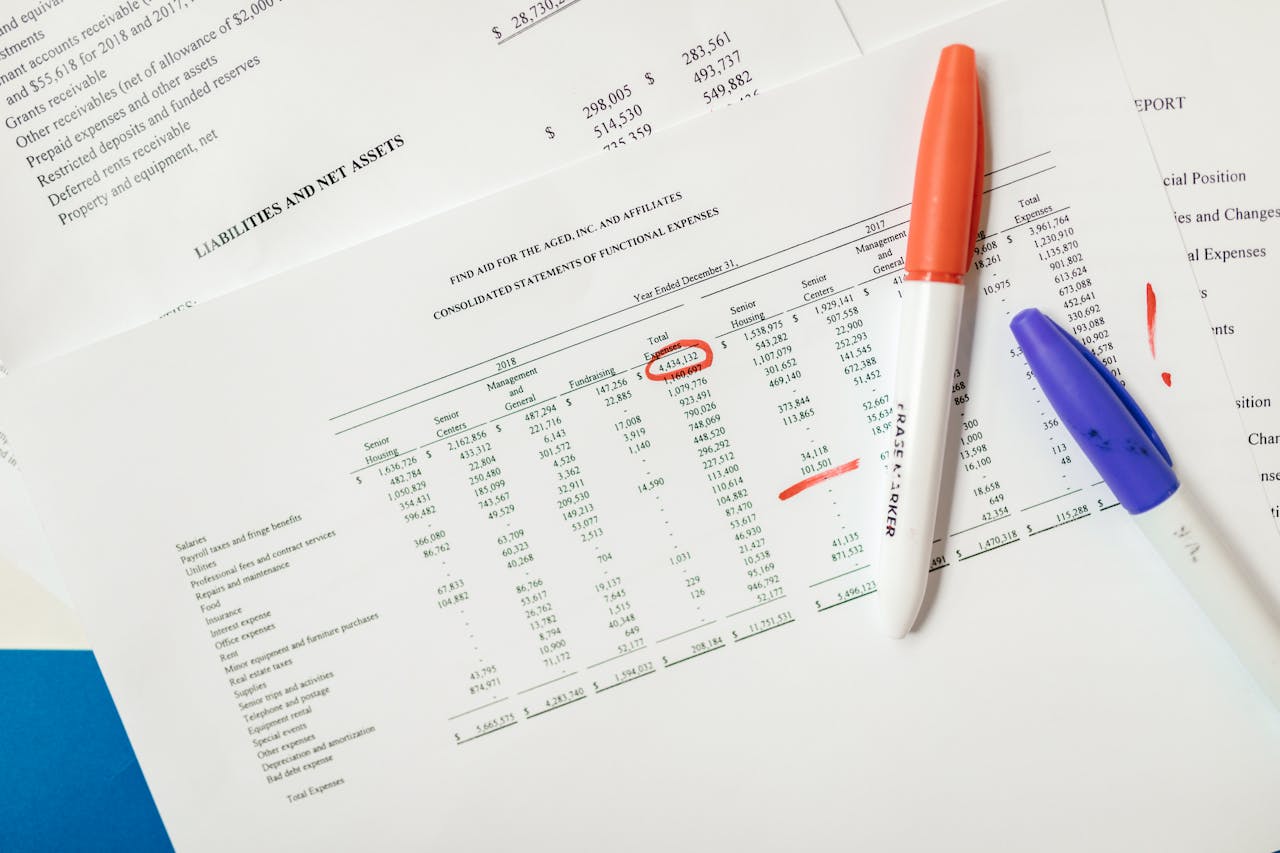
Commercial Financing for Investors: Smart Approaches

Posted on January 23, 2026

What is commercial financing, and how can investors go about it the right way? Learn in this guide!

Commercial real estate investment is a high-stakes game where access to the right financing can make the difference between a profitable deal and a missed opportunity.

According to recent industry reports, nearly 60% of commercial investors rely on some form of external financing to acquire or improve properties. Beyond just getting approved, understanding the nuances of different funding options can save investors millions in interest, fees, and missed growth potential. 

In this article, we explore smart approaches to commercial financing, helping investors make strategic decisions that align with their investment goals, risk tolerance, and portfolio strategy. 

What Does Commercial Financing Mean?

Commercial financing refers to funding used specifically to acquire, improve, or manage income-producing properties. Unlike personal mortgages or residential loans, commercial financing is designed for investors and businesses operating in real estate markets. 

Commercial financing differs from personal loans in several ways. Loan amounts are typically larger, interest rates can vary more widely, and repayment structures are often more complex. Lenders evaluate both the property’s income potential and the investor’s track record, rather than relying solely on credit scores. 

In other words, cash flow projections, debt coverage ratios, and property valuations are all factored in for approval.

Investors use commercial financing not only to acquire properties but also to improve, refinance, or scale their portfolios. Properly structured loans are important as they help leverage capital efficiently, reduce upfront costs, and take advantage of growth opportunities. 

Common Types of Commercial Financing

Here are different types of commercial financing options available:

Traditional Commercial Mortgages

These are long-term loans used to acquire office buildings, retail spaces, warehouses, or multifamily properties. They usually have fixed or variable interest rates and repayment schedules similar to residential mortgages, but with larger loan amounts and stricter underwriting based on property income.

Bridge Loans

Bridge loans are short-term funds that cover gaps between purchase and permanent financing. Investors often use them to quickly acquire a property, make improvements, or refinance before securing a long-term loan. They typically carry higher interest rates due to their short duration and speed of funding.

Hard Money Loans

Hard money loans are funded by private lenders and focus more on property value than borrower credit. These loans are ideal for investors needing fast access to capital or who are investing in properties that traditional lenders consider higher risk. Repayment periods are short, usually 6 to 36 months, and interest rates are higher.

SBA-Backed Commercial Loans

Loans backed by the Small Business Administration provide favorable terms and lower interest rates for eligible investors. They are often used for purchasing commercial real estate tied to a small business operation. While approvals take longer, these loans are highly cost-effective over time.

Mezzanine Financing

Mezzanine financing fills the gap between senior debt and equity investment. It allows investors to leverage additional funds without diluting ownership. Interest rates are higher than senior loans, but this type of financing can enable larger acquisitions or portfolio expansion that would otherwise be out of reach.

How to Choose the Right Financing for Your Investment

Here’s how you can decide which financing option is best to go for:

Match Loan Type to Property and Investment Strategy

Selecting the right financing starts with understanding your property and investment goals. Long-term rental properties or income-generating assets usually benefit from structured mortgages with predictable payments, while short-term projects, such as flips or renovations, often require bridge loans or hard money financing. 

Assess Risk vs Return

Every financing option carries risk. Higher leverage can increase potential returns, but it also amplifies losses if the investment underperforms. Investors should compare interest rates, repayment terms, and total financing costs to projected returns. 

Evaluating how changes in market conditions or tenant occupancy could affect cash flow helps avoid overextending and reduces exposure to financial stress.

Consider Terms and Conditions

Loan terms, covenants, and prepayment options are critical. Some loans may have early repayment penalties, restrictions on additional borrowing, or strict requirements for property management and reporting. 

Flexible financing allows investors to adapt to changing circumstances, refinance when advantageous, and take on new opportunities without being constrained by rigid lender conditions.

Review Lender Experience and Reputation

An experienced lender can make a significant difference. Those familiar with commercial real estate understand market cycles, property types, and investor needs. They may offer tailored solutions, faster approvals, and better terms. 

Conducting due diligence on lenders, including their track record and responsiveness, can save time, reduce surprises, and provide guidance for complex deals.

Evaluate Long-Term Impact

Finally, consider how the financing affects your overall portfolio. A loan should not only fund a single project but support broader investment objectives. Assess debt-to-equity ratios, cash flow coverage, and the potential for scaling future investments. Thoughtful selection ensures financing becomes a tool for growth rather than a constraint.

Conclusion

Commercial financing is more than borrowing; it’s a tool to grow and optimize your portfolio. The right loan type, structured around property, goals, and market conditions, can maximize returns and expand opportunities. Strategic planning and careful evaluation of terms prevent over-leverage and unnecessary risk.

At ROK Financial, we guide investors in choosing financing that fits their strategy, helping structure deals that work long-term. For expert advice on selecting the right commercial loan, contact us today!

Frequently Asked Questions

1. Can I combine different types of commercial financing for one property?

Yes. Investors often use a combination, such as a senior mortgage with mezzanine financing or a short-term bridge loan, before a long-term mortgage. Combining funding can increase leverage and flexibility if structured carefully.

2. How important is lender experience in commercial financing?

Experienced lenders understand market cycles, property types, and investor needs. They can offer terms, guidance, and solutions that less experienced lenders might overlook, reducing risk and improving financing outcomes.

Therefore, it is always advised to go for lenders who have been in the industry for years.

Madison Taylor

Madison Taylor is the Brand Ambassador at ROK Financial. She is responsible for raising brand awareness and business relationships with business owners across the country. Madison loves that she plays a small role in getting Business Back To Business Through Simple Business Financing and looks forward to hearing what you think about the blogs she creates! Madison has been working in the financial space for six years, and loves it! When she is not at work, you will find her at home learning a new recipe to test out on her family or going on new adventures with her friends.

View all posts by Madison Taylor

Business Working Capital Credit: How to Leverage It

Posted on January 22, 2026

An in-depth look at business working capital credit and how it is used to support operations, manage cash flow gaps, and maintain business stability.

Even profitable companies can experience operational strain when short-term obligations outpace the timing of incoming revenue. Business working capital credit exists to address this mismatch, providing liquidity for day-to-day needs while preserving long-term capital and cash reserves.

When used correctly, working capital credit supports operational continuity, seasonal planning, and controlled growth rather than short-term crisis management. This article examines how businesses apply working capital credit across core functions, from payroll and inventory to marketing and infrastructure, and outlines practical ways to strengthen access to it over time. 

What Is Working Capital

Working capital is the money available to cover short-term obligations. It is calculated as current assets minus current liabilities, but the formula matters less than the outcome. It tells you whether your business can function smoothly over the next few months.

Working capital credit is external funding designed to support those short-term needs. It usually comes in the form of lines of credit, short-term loans, or revenue-based financing. With it, you don’t focus on long-term expansion or asset acquisition but on business continuity.

With healthy working capital, you can make proactive decisions. On the other hand, when money becomes tight, you will end up making rash and rushed decisions.  Credit fills that timing mismatch between when money goes out and when it comes back in.

Ways Businesses Leverage Working Capital Credit

Here’s how you can leverage your working capital credit: 

Marketing Without Waiting for Perfect Cash Flow

Marketing often gets postponed when cash flow is low, even though it is one of the few activities that directly feeds future revenue. Working capital credit allows businesses to fund campaigns while results are still in progress.

Businesses can use it for paid advertising, seasonal promotions, website upgrades, or hiring outside agencies. The return does not arrive instantly, but delaying marketing often costs more than the interest paid on short-term credit. 

Hiring and HR Costs During Growth Phases

Adding people is expensive before it becomes profitable. Recruiting fees, onboarding time, training, and payroll all hit before productivity peaks.

Working capital credit gives breathing room during that ramp-up period. This is common in service businesses that land new contracts and need staff immediately, or in operational roles that remove bottlenecks but do not generate direct revenue on day one.

Instead of stretching existing staff thin or delaying hires, credit smooths the transition.

Covering Unexpected Expenses Without Disruption

Unplanned costs are part of running a business. Equipment failures, water damage, supply chain interruptions, or emergency repairs rarely align with cash flow cycles.

Using working capital credit here prevents operational shutdowns. It allows owners to solve the problem quickly without draining reserves that were meant for payroll or taxes. The value is not just the money itself, but the speed and flexibility it provides when timing matters.

Managing Seasonal Slow Periods

Many businesses like retail after holidays, landscaping in wonders and hospitality between travel seasons experience predictable dips. 

Working capital credit helps cover fixed expenses during these periods, including rent, utilities, insurance, and wages. Instead of cutting staff or falling behind on obligations, businesses maintain stability and prepare for the next upswing.

Leveraging your working capital credit about here is less about growth and more about consistency, which often gets overlooked but is equally important.

Funding Inventory Purchases Ahead of Peak Season

Inventory-heavy businesses often need to buy months before sales occur. Wholesalers, retailers, and manufacturers face this constantly.

Working capital credit allows inventory purchases at the right time, not when cash finally becomes available. That can mean better supplier terms, bulk pricing, and full shelves when demand hits. Missing that window can cost far more than short-term financing ever would.

Smoothing Accounts Receivable Delays

Late-paying clients create strain even when revenue is strong on paper. Working capital credit fills the gap between invoicing and collection.

This is especially relevant for B2B businesses with net-30 or net-60 payment terms. Credit keeps operations moving without forcing owners to chase payments aggressively or turn down new work while waiting for old invoices to clear.

Supporting Operational Improvements That Reduce Costs

Some expenses save money over time but require upfront spending. Software systems, workflow automation, equipment upgrades, or process improvements often fall into this category.

Working capital credit can fund these improvements without disrupting daily operations. The benefit compounds over time through efficiency, reduced errors, or lower labor costs, even though the initial spend happens immediately.

Five Ways to Increase Available Working Capital

Once businesses understand how working capital is used, the next step is improving access to it. These actions focus on control and visibility, not shortcuts.

  • Tighten invoicing practices so billing happens immediately and follow-ups are consistent. Faster receivables directly improve short-term liquidity.
  • Review payment terms with suppliers and negotiate longer cycles where possible to better align outflows with inflows.
  • Maintain clean financial records so lenders can clearly see revenue patterns and expense stability.
  • Reduce unnecessary short-term expenses that do not contribute to revenue or efficiency, especially recurring subscriptions that go unused.
  • Build relationships with funding partners before capital is urgently needed, which improves options and pricing.

These steps do not replace financing. They make it more effective and easier to access.

Make Smarter Financial Decisions with ROK Financial 

Working capital gives business owners time to make decisions without pressure, space to manage timing mismatches, and flexibility to respond when conditions change. It works best when paired with clear financial records and realistic planning, not when pulled as a last resort.

At ROK Financial, we work with businesses every day that need working capital credit structured around how they actually operate. We look at revenue patterns, seasonality, and cash flow behavior to help match owners with options that make sense for their situation. Our role is to help businesses stay steady, handle financial pressure, and keep moving forward towards success. 

Want to explore the best option for your business? Contact us!

Madison Taylor

Madison Taylor is the Brand Ambassador at ROK Financial. She is responsible for raising brand awareness and business relationships with business owners across the country. Madison loves that she plays a small role in getting Business Back To Business Through Simple Business Financing and looks forward to hearing what you think about the blogs she creates! Madison has been working in the financial space for six years, and loves it! When she is not at work, you will find her at home learning a new recipe to test out on her family or going on new adventures with her friends.

View all posts by Madison Taylor

Business Financing for Entrepreneurs: What’s Available?

Posted on January 21, 2026

A clear, practical look at business financing for entrepreneurs, covering modern funding options, decision frameworks, and how founders actually use capital at different stages.

Many founders struggle to make their money move alongside their operations. This guide looks at business financing for entrepreneurs, with a focus on how funding works not just on paper but in reality. 

We break down how each type works, how lenders assess, and how smart founders can match capital to successful implementation.

Financing Options that Make Sense for Entrepreneurs 

Every funding option is a contract with rules attached. Those rules decide how much pressure the financing puts on your business. When looking at your options,  it helps to understand these mechanics for a suitable choice. 

Traditional Bank Loans: Stable but Selective

Banks are conservative by design. They lend against history, collateral, and predictable cash flow. When they say yes, the terms are usually attractive. When they say no, it often has little to do with whether your business is healthy today.

Where Bank Loans Work Well

  • Established businesses with several years of clean financials
  • Predictable revenue and margins
  • Owners are comfortable with documentation and longer approval timelines

Where They Struggle

  • Early-stage companies
  • Businesses with rapid growth but uneven cash flow
  • Owners who need funds quickly for time-sensitive opportunities

Bank loans tend to be best used for long-term investments such as facility upgrades, major equipment, or consolidation of higher-cost debt.

SBA Loans: Structure With Guardrails

SBA loans sit between traditional bank lending and private financing. The government guarantee reduces lender risk, which can open doors for businesses that are strong but not perfect on paper.

What many founders underestimate is the level of structure involved. Reporting, use-of-funds restrictions, and approval timelines all require planning.

When SBA Loans Make Sense

  • Buying or renovating real estate
  • Partner buyouts
  • Long-term growth initiatives

When They Become Frustrating

  • Urgent capital needs
  • Short-term cash flow issues
  • Businesses that pivot often or change strategy quickly

SBA loans reward patience and preparation and punish urgency.

Business Lines of Credit: Controlled Flexibility

A line of credit does not force you to borrow everything up front. You access funds as needed and only pay interest on what you use. This makes it one of the most practical tools for managing working capital.

The key difference between a useful line and a stressful one comes down to structure.

Smart Uses of a Line of Credit

  • Covering short-term payroll gaps
  • Managing inventory purchases
  • Handling unexpected repairs or expenses

Risks to Watch

  • Variable rates that rise quickly
  • Annual reviews that reduce limits
  • Using it for long-term projects

A line of credit works best when it supports operations, not when it replaces profitability.

Revenue-Based Financing: Payments That Move With Sales

Revenue-based financing ties repayment to revenue volume rather than fixed schedules. When sales slow, payments shrink. When sales increase, repayment accelerates.

This structure appeals to founders who value alignment over the lowest possible cost.

Where It Fits

  • Subscription-based businesses
  • Companies with strong gross margins
  • Seasonal operations

Limitations

  • Higher overall cost compared to bank loans
  • Less suitable for thin-margin businesses

This option trades price for breathing room. For many operators, that trade is reasonable.

Merchant Cash Advances: Speed With Strings Attached

Merchant cash advances provide fast capital based on future card sales. Repayment happens automatically as revenue comes in.

This speed attracts businesses under pressure, but it also creates risk.

Appropriate Scenarios

  • Short-term opportunities with predictable return
  • Emergency repairs that protect revenue

High-Risk Scenarios

  • Using advances to cover ongoing losses
  • Stacking multiple advances

These products demand discipline. Without it, they can overwhelm cash flow.

Private Term Loans: The Middle Ground

Private lenders fill the gap between banks and short-term products. Terms vary widely, but approval is often faster and underwriting is more flexible.

Advantages

  • Faster funding
  • Broader approval criteria
  • Customizable structures

Considerations

  • Rates reflect risk
  • Terms depend heavily on lender quality

This category rewards comparison shopping and a clear understanding of repayment mechanics.

How Lenders Actually Evaluate Entrepreneurs

Most founders assume lenders focus only on credit scores. In reality, decision-making is broader. These are their key evaluation factors: 

  • Consistency of revenue, not just growth
  • Cash flow coverage of debt
  • Industry stability
  • Owner involvement

Strong businesses with average credit often outperform weak businesses with excellent credit in lender models.

The Cost You Do Not See on Term Sheets

Interest rates tell only part of the story. The real cost of financing often shows up in how it affects day-to-day decisions and timing.

Delays in approval can lead to missed contracts. Rigid repayment schedules can limit hiring or inventory purchases. Restrictive covenants can slow routine decisions that should move quickly.

The best financing option is rarely the cheapest on paper. It is the one that aligns with how your business operates and allows it to keep moving without friction.

How ROK Financial Helps Entrepreneurs Secure the Right Capital

Financing is not just about getting money; it’s about making it work where the business needs it most. At ROK Financial, we focus on timing, priorities, and how each dollar moves through the business. We help entrepreneurs see which funding options fit the work they are doing now and what they are planning next.

We guide businesses through different types of loans and credit so founders can make decisions wisely. That perspective allows you to use financing not as a stopgap but as a controlled resource that drives the outcomes you want.

Let’s make it possible for you to invest, hire, and expand without unnecessary risk. Contact us! 

FAQs

1. What financing option is best for a new entrepreneur with limited history?

Early-stage founders often start with private lending, short-term working capital, or smaller credit lines before transitioning to traditional loans as financial history builds.

2. Can a business use multiple financing products at the same time?

Yes, as long as repayment schedules align with cash flow and each product serves a distinct purpose without overlapping strain.

3. How quickly can most business financing be secured?

Timelines range from same-day funding for short-term products to several months for bank and SBA loans, depending on documentation and complexity.


Madison Taylor

Madison Taylor is the Brand Ambassador at ROK Financial. She is responsible for raising brand awareness and business relationships with business owners across the country. Madison loves that she plays a small role in getting Business Back To Business Through Simple Business Financing and looks forward to hearing what you think about the blogs she creates! Madison has been working in the financial space for six years, and loves it! When she is not at work, you will find her at home learning a new recipe to test out on her family or going on new adventures with her friends.

View all posts by Madison Taylor

Exploring Alternative Business Credit Options

Posted on January 19, 2026

A detailed, practical guide to alternative business credit options, how they actually work, when they fit, and how growing companies use them to manage cash flow and expansion.

The real difference between bank loans and alternative business credit options comes down to how repayment works. Traditional loans are fixed. You borrow a set amount and pay it back on a set schedule, regardless of how your cash flow looks that month. Many alternative credit products work differently. Repayment often adjusts based on sales, receivables, or overall account activity.

That flexibility can relieve pressure, but it also means cash flow needs to be monitored more closely. This is why some businesses use these products as financial alternatives successfully while others struggle. The outcome depends less on the product itself and more on how well it fits the way the business operates.

Most Common Alternative Business Credit Options 

Learn how these tools actually behave once they are in use, so business owners can choose them with clarity. 

Invoice-Based Credit and the Cost of Waiting to Get Paid

Companies that bill other businesses often carry a hidden expense: time. Net-30, net-60, and net-90 terms delay cash that has already been earned.

Invoice-based credit converts outstanding invoices into immediate working capital. Instead of borrowing against projections, a business accesses funds tied to completed work.

Key characteristics to understand:

  • Approval depends on the customer’s ability to pay, not just the seller’s credit.
  • Advances typically range between 70 and 90 percent of the invoice value.
  • Fees reflect the time it takes the customer to pay.

This structure works well for staffing firms, manufacturers, distributors, and service companies with reliable clients. However, it works poorly when invoices are disputed or when customers pay unpredictably.

Asset-Based Lending Besides Real Estate

When people hear asset-based lending, they often think of property. In practice, many operating assets can support credit.

Examples include:

  • Equipment with established resale markets
  • Inventory that turns consistently
  • Accounts receivable portfolios

Asset-based credit focuses on liquidation value, not accounting value. Lenders ask a simple question. If repayment stops, can this asset be converted to cash quickly?

This makes asset-based options useful for capital-intensive businesses that may not show high net income during growth phases.

Revenue-Linked Financing and the Cost Issues 

Revenue-based financing ties repayment directly to top-line sales. Instead of fixed payments, a percentage of revenue is collected until a predetermined amount is repaid.

This model appeals to businesses with:

  • Strong gross margins
  • Digital or card-based sales
  • Rapid growth but limited hard assets

The trade-off is the total cost. Because repayment adjusts with revenue, providers price for uncertainty. Businesses need to model scenarios carefully to understand how repayment behaves during strong and weak sales periods.

Business Lines of Credit Outside the Banking System

Non-bank lines of credit function similarly to bank lines but differ in underwriting and monitoring.

They often feature:

  • Faster approvals
  • Shorter terms
  • Higher rates than banks
  • More frequent reviews of account activity

These lines are best used as operational tools rather than long-term funding. Payroll timing gaps, inventory restocks, and short-term opportunities are common use cases.

Problems arise when businesses treat revolving credit as permanent capital.

Merchant Cash Advances and Why Context Matters

Merchant cash advances are often misunderstood because they are frequently misused.

An advance provides upfront funds in exchange for a portion of future card sales. Repayment adjusts daily based on actual revenue.

This product can work when:

  • Sales are consistent
  • Funds are used for short-term needs
  • The return on the use of funds exceeds the cost

It becomes problematic when used to cover structural losses or long-term expenses. Understanding that distinction is critical.

Credit Stacking and the Risk of Overlapping Repayments

One of the biggest risks in the alternative credit space is stacking. This occurs when multiple products draw from the same cash flow source.

For example, pairing a daily repayment product with a revenue-based obligation can compress cash availability quickly. Each product may look manageable on its own, but together they strain operations.

Smart structuring considers:

  • Total daily or weekly payment load
  • Seasonal revenue changes
  • Flexibility during slow periods

This is where experienced guidance matters.

How Businesses Use Alternative Credit Strategically

The strongest users of alternative credit do not treat it as emergency funding, but with intention and strategy. 

Common strategic uses include:

  • Bridging growth while waiting for bank eligibility
  • Supporting large orders or contracts
  • Managing timing gaps without cutting operations
  • Preserving equity by avoiding dilution

The product matters less than the plan behind it.

Planning the Exit Before Entering the Agreement

Any credit option should come with a plan for how and when it will be reduced or replaced. For some businesses, that means refinancing into a traditional bank loan once financials strengthen. For others, it means using the credit temporarily and paying it down as revenue becomes more predictable.

In some cases, it simply means stepping back from the product once a specific growth goal has been reached. Businesses that think through this process early are less likely to rely on short-term credit longer than intended and are better positioned to adjust as their needs change.

Navigate Alternative Credit Options with ROK Financial 

At ROK Financial, our role is to structure funding that supports operations by matching cash flow patterns to repayment structures, explaining trade-offs clearly, and avoiding combinations that look attractive on paper but cause pressure in practice.

We help businesses access alternative credit responsibly, with a clear understanding of how it fits today and how it transitions tomorrow. When funding decisions are made with that level of clarity, credit becomes a tool rather than a risk.

FAQs

1. How fast can alternative credit be funded compared to bank loans?

Many non-bank options fund within days rather than weeks, depending on documentation and structure.

2. Does using alternative credit hurt future bank eligibility?

Used properly, it can support growth and improve bank readiness. Poorly structured debt can have the opposite effect.

3. Are these products only for businesses with bad credit?

No. Many profitable businesses use them for flexibility, speed, or timing advantages rather than credit limitations.

Madison Taylor

Madison Taylor is the Brand Ambassador at ROK Financial. She is responsible for raising brand awareness and business relationships with business owners across the country. Madison loves that she plays a small role in getting Business Back To Business Through Simple Business Financing and looks forward to hearing what you think about the blogs she creates! Madison has been working in the financial space for six years, and loves it! When she is not at work, you will find her at home learning a new recipe to test out on her family or going on new adventures with her friends.

View all posts by Madison Taylor

Residential Investment Financing Tips for Property Investors

Posted on January 16, 2026

If residential investment financing goes wrong, you could lose the property, drain your account, and kill your credit. Follow these tips so none of this happens.

If you get swept up in the excitement of a beautiful property and the numbers don’t align, the investment will likely fall flat. That’s because real estate is a math game where your patience and planning are tested. Notably, many investors don’t put enough thought into residential investment financing, even though how you pay for a property is just as important (if not more) than the property itself. 

To stay in this for the long haul, you must stop thinking like a homebuyer and start thinking like a strategist. Your residential investment financing must be calculated, and you must not ignore the fine print while closing a deal. If you’re unsure how to make this new investment smarter, we hear you. Keep reading for some battle-tested financing tips that every serious investor needs to keep in their back pocket.

Prioritize the Debt-Service Coverage Ratio 

Relying on your current income to get real estate loans can be a losing battle. Most banks look at your salary to decide if you can afford a mortgage, which means that once you own a couple of houses, they’ll tell you that you’re tapped out. 

So when the goal is to scale your real estate portfolio, use DSCR loans, which focus on the property’s income. DSCR (Debt-Service Coverage Ratio) is a formula that proves a property earns more in rent than it costs to own. If you go down this route, the lender only cares if the house can pay for itself instead of digging through your tax returns. 

For example, if you find a great rental that brings in $2,500 a month and the mortgage is $1,800, the property’s profitability will qualify you for the loan. The lender will see that the house can make enough to cover its bills, so they don’t need to worry about your salary. 

Try House Hacking 

A popular strategy to build your property portfolio is house hacking. It simply means that you buy a small multi-family property (like a duplex or a fourplex), live in one of the units, and rent out the others. 

The difference here is in the financing because normally, if you buy a rental property as an investor, banks demand a 20% to 25% down payment. But if you promise to live in one of the units, you qualify for government-backed loans for regular homebuyers. 

Let’s suppose you buy a $600,000 fourplex. In this case, a regular investor would need $150,000 to close the deal, but as a house hacker using an FHA (Federal Housing Administration) loan, you’ll give a much lower down payment. 

Then, by the time you move in and rent out the other units, their rent could cover your entire mortgage payment. You can essentially live for free while your tenants pay off your building if you follow this route. 

Use Interest-Only Payments for More Monthly Cash

If you’re new to residential investment financing, your goal is mostly to have enough cash on hand to handle expenses or jump on the next big deal. That’s where interest-only payments can help. Instead of a mortgage where you pay back a piece of the house and interest, some lenders let you pay only the interest for the first 5 to 10 years. 

You benefit from the monthly cash flow that you get in such a deal because you aren’t forced to pay down the principal (the actual balance of the loan) right away. 

Eventually, your monthly bill is much lower. For example, on a $400,000 loan, a standard payment might be $2,400. But with an interest-only option, that could drop to $1,800, and the extra $600 will stay in your pocket. 

Take Bridge Loans to Close Deals Fast 

When you find a good property deal, you usually have days to manage residential investment financing. Since bank loan approvals can feel slow at such points, you get bridge loans and get the speed of a cash offer. 

These are short-term loans that get you through the purchase and repair phase. And since they are asset-based, lenders care more about the property’s value than your income. But you should only go for a bridge loan for residential financing to grab a property at a discount and refinance it into a long-term mortgage. 

You use the lender’s speed to win a good deal and to turn that fixer-upper into a stabilized asset without tying up your cash.

Turn Dead Equity Into Cash

If you have owned a property for some time, it might be worth much more now than when you bought it. That extra value is called dead equity because it’s just sitting there doing nothing. 

Notably, a HELOC (Home Equity Line of Credit) lets you tap into that cash and use it for your next investment without having to sell the property. A HELOC works like a credit card backed by your house, and it’s a revolving line of credit. You don’t pay any interest until you spend the money, which is smarter than a cash-out refinance. 

Summing Up 

When you think your money matters through, your new investment is more likely to be a success as there are no bottlenecks. If you want to make your property investments safe and stable, explore the extensive solutions at ROK Financial and plan thoroughly. We make sure you don’t lack anything at the financing front! 

FAQs

1. What happens to my bridge loan if I can’t refinance it in time?

You might have to pay expensive extension fees to the lender to get more time. And if you still can’t pay it back, the lender could take the property. 

2. If I house hack with an FHA loan, how long do I have to live there?

Usually, you’re required to live there for at least one year, after which you are free to move out and rent your unit to a tenant.

3. Is a HELOC risky if the housing market drops?

Yes, it’s risky. If your home value drops, the bank can freeze your line of credit, which means you can’t withdraw any more money.

Madison Taylor

Madison Taylor is the Brand Ambassador at ROK Financial. She is responsible for raising brand awareness and business relationships with business owners across the country. Madison loves that she plays a small role in getting Business Back To Business Through Simple Business Financing and looks forward to hearing what you think about the blogs she creates! Madison has been working in the financial space for six years, and loves it! When she is not at work, you will find her at home learning a new recipe to test out on her family or going on new adventures with her friends.

View all posts by Madison Taylor

Business Funding for Construction Projects: How to Get Started

Posted on January 15, 2026

What is different about business funding for construction projects and how can contractors qualify for it? Find out in this guide!

When getting into the construction business, you know that your project needs significant capital long before your first payment ever comes in. There are materials to purchase, crews to pay, equipment to secure, and permits to get. All of this needs money. 

Cash flow line-up takes time in construction, however, waiting for revenue is not an option as you would likely miss out on opportunities. This is where business funding specialized for construction projects comes in. 

In this article, we will explain how construction funding works in real-world conditions, what options are available, and how to best prepare your loan application. 

What is Business Funding for Construction Projects

Business funding for construction projects is financing that covers the upfront and ongoing costs of construction work before full payment is received. 

Construction businesses need capital to purchase materials, pay labor, rent or maintain equipment, secure permits, and manage site operations long before a project reaches completion. Unlike many other industries, construction work requires heavy spending at the start, while revenue is usually released in stages or after milestones are met.

Cash flow in this industry is inherently uneven. Progress payments, retainage, and delayed client payments create gaps that standard business income cannot always cover. A project may be profitable on paper but still struggle day to day if funding is not aligned with the project timeline. 

All of this calls for specialized funding that can keep projects moving without interruptions or rushed decisions. 

The risk structure is also different in construction. Each project carries its own scope, budget, timeline, and set of variables. Weather delays, material price changes, labor shortages, and change orders can all impact costs. 

Lenders who understand construction take these factors into account when structuring funding, rather than relying only on monthly revenue history.

Construction funding also differs from traditional business loans in how it is structured and repaid. Traditional loans are usually based on steady income and fixed repayment schedules. 

Construction funding is often tied to project timelines, contract terms, or equipment value. Some options focus on specific jobs, while others support multiple projects at once. 

This allows contractors to take on work without stretching cash flow or putting the entire business under financial strain.

Business Funding Used for Construction Projects

Here are different loan programs that deal in construction financing:

Term Loans 

Term loans are commonly used to cover major construction costs that need to be paid up front. This includes bulk material purchases, project startup costs, or expansion-related expenses. 

The loan is issued as a lump sum and repaid over a fixed period, which makes it easier to plan around large, predictable expenses tied to a project or business growth.

Lines of Credit 

Lines of credit can be used for ongoing project costs. Construction businesses often use them to manage payroll, fuel, minor material purchases, and unexpected job-site expenses. Unlike term loans, businesses only pay interest on the amount used, making lines of credit useful for managing fluctuating costs during active projects.

Equipment Financing 

Equipment financing is designed specifically for purchasing or upgrading construction equipment. Heavy machinery, vehicles, and specialized tools can be financed over time rather than paid for in full up front. In many cases, the equipment itself serves as collateral, which can reduce upfront costs and preserve working capital.

Invoice Factoring

Invoice factoring allows contractors to receive early payment on issued invoices instead of waiting weeks or months for clients to pay. This type of funding is especially useful when dealing with long payment cycles or retainage. It helps maintain steady cash flow without adding debt to the balance sheet.

Short-Term Financing 

Short-term financing options are often used to cover temporary cash flow gaps between project stages. These funds can help bridge delays caused by inspections, approvals, or change orders. While not ideal for long-term needs, they can prevent work stoppages and keep projects on schedule.

What Lenders Look for in Construction Funding Applications

Here’s what you should know regarding lender expectations when applying for construction loan:

Clear Project Scope and Contract Details

Lenders want to understand exactly what work is being funded. This includes the project scope, contract value, payment schedule, and timeline. Well-defined contracts show that the project is planned and that payment expectations are clear. Vague or incomplete project details often slow down approvals.

Cash Flow and Payment Timing

In construction, cash flow matters more than profit on paper. Lenders review how money moves in and out of the business, including progress payments and retainage. They want to see that incoming payments can support loan repayment, even if revenue is uneven. Businesses that understand their cash flow timing tend to qualify more easily.

Experience and Track Record

Lenders look closely at the contractor’s experience. Completed projects, years in business, and the ability to manage jobs of similar size all matter. A strong track record reduces risk and signals that the business can handle the demands of the project being funded.

Financial Records and Job Costing

Accurate financial statements help lenders assess stability. This includes income statements, bank records, and job costing reports. Lenders want to see that costs are tracked properly and that projects are priced realistically. Poor recordkeeping raises concerns, even if revenue appears strong.

Licensing, Insurance, and Compliance

Proper licensing and insurance are critical in construction funding. Lenders verify that the business meets legal and safety requirements. Missing or expired documents can delay or stop the application process entirely.

Risk Factors Specific to the Project

Lenders also assess project-related risks such as location, client reliability, subcontractor involvement, and material availability. Projects with higher uncertainty may still qualify, but terms may be adjusted to account for added risk.

Apply for Construction Funding!

Construction funding works best when it is matched to the right project, timeline, and cash flow needs. Large, long-term projects may require structured financing like term loans or equipment financing that have defined terms, and repayment schedules. On the other hand, active job sites often benefit from flexible funding that adjusts as costs change. 

The goal is not just to secure capital, but to choose funding that supports progress without creating unnecessary financial pressure.

At ROK Financial, we work closely with construction business owners to evaluate projects, understand cash flow gaps, and align funding with how construction work actually operates. If you are planning a new project or struggling to fund an active one, contact us today!

Frequently Asked Questions

1. Can construction funding be used across multiple projects?

Some funding options support multiple projects, while others are tied to a single job or asset. The right choice depends on whether the business is managing one large project or several smaller ones at the same time. Reviewing project timelines helps determine the best fit.

2. Should construction funding be secured before a project begins?

Yes, securing funding before work starts helps prevent delays and rushed decisions. Having capital in place ensures materials, labor, and permits are covered on time, allowing projects to move forward smoothly without relying on last-minute financing. 

Madison Taylor

Madison Taylor is the Brand Ambassador at ROK Financial. She is responsible for raising brand awareness and business relationships with business owners across the country. Madison loves that she plays a small role in getting Business Back To Business Through Simple Business Financing and looks forward to hearing what you think about the blogs she creates! Madison has been working in the financial space for six years, and loves it! When she is not at work, you will find her at home learning a new recipe to test out on her family or going on new adventures with her friends.

View all posts by Madison Taylor

Understanding Term Loans for Businesses: Pros and Cons

Posted on January 14, 2026

What are term loans, and do they always work for a business? Learn about pros and cons in this guide!

Finding the right kind and amount of funding at the right time is a fundamental part of business growth. One of the most common routes companies choose for financing is term loans. 

That is a type of loan in which lenders issue you a lump sum amount that you are bound to pay over a certain duration of time. This instant access to large capital helps companies make major investments to keep the business up and running. 

Approximately 50% of small businesses use term loans. However, not everyone understands how they actually work, where and how they add value, and when they quietly become a financial constraint.

In this article, we will break it all down, so that you, as a business owner can make an informed decision regarding applying for a term loan. 

What is a Term Loan?

A term loan is a structured business financing program where you get the capital upfront, and then repay it on a fixed schedule over a defined period. Everything, from the first payment to the last, repayment amount, timeline, and expectations, are all chalked out in advance. This allows business owners to financially plan around them.

Term loans are typically amortized, meaning each payment includes both principal and interest. Depending on the lender and loan type, repayment may occur monthly, biweekly, or weekly, and the term can range from a few months to several years. 

The term depends on what you intend to use the money for. Generally, shorter terms are used for working capital and cash flow management, whereas, for asset purchases or expansion, borrowers opt for longer repayment terms. 

Term loan is unlike revolving credit products, as they are not reusable. Once the funds are disbursed, the balance only moves in one direction, i.e. downward, unless the loan is refinanced or restructured. This one-time structure is intentional. Lenders expect the loan to be repaid using the business’s regular cash flow, not by taking on more debt.

When underwriting, your lender evaluates your revenue history, cash flow coverage, as well as collateral and personal guarantees. This makes term loans fundamentally different from short-term or alternative financing products, which often rely more heavily on daily revenue activity than long-term financial performance.

Pros of Term Loans – How They Support Business Growth

Here’s when and why term loans are essential for your business’s success:

Access to Capital When It’s Actually Needed

Term loans give businesses access to a large amount of money up front. Sometimes, during the course of running a business, you come across opportunities that demand action instantly. That’s when lump sum cash comes in handy. 

Whether it is buying equipment, opening a new location, or funding a large order, having the full amount available allows businesses to move forward without delays. 

Predictable Payments Support Better Planning

One of the biggest growth advantages of a term loan is predictability. Payments are set in advance and remain consistent throughout the loan term. This makes budgeting easier and allows business owners to plan expenses, hiring, and inventory without guessing what the next payment will look like. 

Spreads the Cost of Growth Over Time

Growth often requires large upfront spending, but the returns usually come in slowly. Term loans allow businesses to spread those costs over months or years instead of draining cash reserves all at once. This keeps working capital available for daily operations like payroll, rent, and utilities while the investment starts paying off.

Supports Long-Term Business Investments

Term loans are well-suited for investments that create value over time. Equipment, renovations, technology upgrades, and expansion projects often last several years. The rule of thumb is to match the loan term to the life of the asset as it helps businesses grow without putting short-term pressure on cash flow.

Builds Financial Track Record and Credit Strength

Consistent, on-time payments help establish a positive borrowing history. Over time, this can improve your business’s ability to qualify for larger loans, better rates, and more favorable terms. 

Cons of Term Loans – When it’s Best to Avoid Them

All types of loan programs have both plus points and some negatives. Making the right choice regarding picking them is all about strategically weighing these benefits against the cons. 

While term loans have many advantages, there are some drawbacks you should know to make an informed decision:

Fixed Payments Can Strain Cash Flow

Term loans require regular payments. That stands, even when business slows down. Sales dips, delayed invoices, or seasonal changes do not pause repayment. If your company has an uneven cash flow, fixed payments can create stress and force owners to use reserves just to stay current.

Long-Term Commitment 

Once a term loan is in place, the business is locked into the repayment schedule. Unlike revolving credit, you cannot reduce or pause payments when priorities change. This lack of flexibility can make it harder to adjust during market shifts, supply issues, or unexpected expenses.

Growth Projections Don’t Always Match Reality

Term loans are often approved based on expected growth. If revenue does not increase as planned, the loan still must be repaid. Businesses that take on debt too early or too aggressively may find that loan payments slow growth instead of supporting it.

Personal Guarantees Increase Personal Risk

Many term loans require a personal guarantee. This means the owner is personally responsible if the business cannot repay the loan. In difficult situations, this can put personal savings, assets, or credit at risk, even if the business fails.

Early Repayment Can Come at a Cost

Some term loans include prepayment penalties. Paying off the loan early may result in extra fees, reducing the benefit of faster repayment. This can limit refinancing options if better financing becomes available later.

Term Loans – To Choose or Not to Choose

Term loans can be a strong growth tool when used for the right reasons and at the right time. They work best for businesses with steady cash flow, clear plans, and a real need for upfront capital. 

At the same time, fixed payments and long-term commitments mean they are not right for every company, and in every situation. The key is matching the loan to your business reality, not just your goals.

Expert guidance matters. At ROK Financial, we help business owners understand their options, review their numbers, and choose financing that supports their growth. So if you’re considering a term loan, and want clarity before committing, contact us today!

Frequently Asked Questions

1. How long does it take to get approved for a term loan?

Approval timeline for term loan varies based on the lender and the business’s financial health. Traditional lenders may take several weeks as they take detailed reviews and require elaborate documentation. Other lenders can approve and fund term loans much faster, sometimes within a few days, especially if your company has a strong cash flow and clear records.

2. Can term loan funds be used for multiple business purposes?

In most cases, yes. Many lenders allow term loan funds to be used across several business needs, such as equipment, inventory, or operating expenses. However, some loans are issued for a specific purpose, and using the funds outside that scope may violate loan terms.

Madison Taylor

Madison Taylor is the Brand Ambassador at ROK Financial. She is responsible for raising brand awareness and business relationships with business owners across the country. Madison loves that she plays a small role in getting Business Back To Business Through Simple Business Financing and looks forward to hearing what you think about the blogs she creates! Madison has been working in the financial space for six years, and loves it! When she is not at work, you will find her at home learning a new recipe to test out on her family or going on new adventures with her friends.

View all posts by Madison Taylor

Contractor Equipment Financing Made Simple

Posted on January 12, 2026

What is contractor equipment financing and where to apply for it? Learn in this guide!

For contractors, equipment is what keeps the revenue coming in. 

Excavators, skid steers, cranes, trucks, and specialty tools – all require significant upfront investment. However, buying them can put major strain on working capital, consequently halting business growth. 

That’s where equipment financing comes in.

Contractor equipment financing is different from general business loans, because it is structured around job cycles, equipment lifespan, and utilization rates. Still, many contractors struggle where to apply for financing and how to successfully secure it. 

In this article, we will lay it all out!

What is Contractor Equipment Financing?

Contractor equipment financing is a funding solution that helps contractors purchase, lease, or upgrade the machinery and vehicles they need at work. 

Instead of paying the full cost upfront, contractors spread the expense over time. This, together with structured repayment plans tailored to project cash flow makes it easier for companies to stay in and grow their business. 

Here, the equipment itself is collateral, which reduces lender risk, hence why these programs are more accessible than unsecured funding options.

What distinguishes contractor equipment financing from standard business loans is its asset-based nature. 

Traditional business loans have different criteria. They are primarily approved based on credit score, financial statements, and overall business strength, with funds that can be used for almost any purpose. Equipment financing, by contrast, is tied directly to a specific asset. Because lenders can repossess the equipment if payments stop, approval criteria are often more flexible, interest rates can be lower, and repayment terms are matched to the equipment’s useful life. 

This makes it particularly suitable for contractors who need heavy or specialized machinery but want to preserve working capital.

That said, contractor equipment financing does have limitations, and you should be aware of these constraints when applying. First, the funds are restricted to equipment purchases and cannot be redirected toward payroll, marketing, or other operating costs. Secondly, the financed equipment may depreciate faster than the loan balance, creating negative equity if the asset loses value quickly. 

On top of this, sometimes lenders also impose usage restrictions, insurance requirements, or limits on how and where the equipment can be deployed.

Best Options for Contractor Equipment Financing

Equipment financing is not one size fits all. Depending on the machines you need, and your projected cash flow, some options can help your business bloom, while others might be a financial disaster.

Going about it strategically is very important. Here are some options you can explore to apply for equipment funding:

Equipment Loans

Equipment loans are when your lender provides funds to purchase equipment, and the equipment itself serves as collateral. Repayment terms usually match the expected lifespan of the machinery.

This option works best for essential equipment used daily, such as excavators, loaders, or commercial vehicles. Once the loan is paid off, the contractor owns the asset outright, which can add long-term value to the business.

Equipment Leasing

Leasing is ideal for contractors who regularly upgrade equipment. Instead of purchasing a machine, you pay to use the equipment for a fixed period. 

And since leases typically require lower upfront costs than loans, you can preserve cash for other business needs. At the end of the lease, contractors may return the equipment, extend the lease, or purchase it, depending on the agreement.

Vendor or Manufacturer Financing

Many equipment dealers and manufacturers offer in-house financing. These programs are often designed to move inventory and can include promotional rates, deferred payments, or bundled maintenance packages. 

Vendor financing is faster than bank loans because money is arranged at the point of sale. However, rates and terms may be less competitive long term, so contractors should review the total cost carefully.

Equipment Lines of Credit

A business line of credit can be used for smaller equipment purchases or down payments. Unlike loans, lines of credit are revolving, and let contractors draw funds as needed and repay only what is used. This option works well for accessories, attachments, or short-term equipment needs but carries higher interest rates than dedicated equipment loans.

SBA Equipment Financing

SBA-backed loans, such as SBA 7(a) or 504 programs, can be used for large equipment purchases. These loans have longer repayment terms and lower interest rates. 

Therefore, they are best suited for established contractors planning major investments. 

The downside, however, is that there’s a longer approval process and more documentation compared to private lenders.

Alternative and Private Lenders

Private lenders specialize in equipment financing for contractors with limited credit history or inconsistent cash flow. 

While interest rates may be higher, the speed and relatively lenient approval criteria often outweigh the cost for contractors needing equipment quickly to secure or complete jobs.

Conclusion

Business needs machines to run. Contractor equipment financing allows you to acquire that essential machinery without draining designated working capital. 

However, it’s important that you go about it the right way. For example, loans work best for long-term assets, while leases and alternative financing have other benefits such as faster access to cash. 

Want to learn and discuss more on what’s the right choice for your business? Contact ROK Financial now!

Frequently Asked Questions 

1. Can I get contractor equipment financing with bad credit?

If you have a poor credit score, getting contractor equipment financing would be difficult, but not impossible. 

You will find many lenders who focus more on the value of the equipment and your current revenue than your credit score. In equipment financing, the machine itself often serves as collateral, which reduces lender risk. Hence why, lenders are flexible and can approve financing even with limited credit history or past financial challenges.

2. Should I buy equipment or lease it?

Buying vs leasing – what’s the right choice? The short answer is that buying is cheaper than leasing. The long answer however, depends on usage and longevity. 

Buying is better for equipment used daily over many years, as it builds long-term value. Leasing works well for short-term projects, seasonal work, or equipment that depreciates quickly. Successful contractors often use a mix of both to stay flexible and control costs.

Madison Taylor

Madison Taylor is the Brand Ambassador at ROK Financial. She is responsible for raising brand awareness and business relationships with business owners across the country. Madison loves that she plays a small role in getting Business Back To Business Through Simple Business Financing and looks forward to hearing what you think about the blogs she creates! Madison has been working in the financial space for six years, and loves it! When she is not at work, you will find her at home learning a new recipe to test out on her family or going on new adventures with her friends.

View all posts by Madison Taylor

Quick Working Capital Loans: Fast Solutions for Urgent Needs

Posted on January 9, 2026

What are quick working capital loans, and how can they help your business? Find out in this guide!

It is not uncommon for businesses to run into cash flow gaps. A large order coming in, equipment, delayed client payments – dealing with all this is part of running a company. 

However, to keep your business functioning in these situations, you need to take actionable steps and secure fast funding. And that’s where quick working capital loans come in. 

If your business is barely scraping by, applying for an urgent loan is the way to go. However, fast funding also comes with trade-offs that many people only realize after receiving the amount. 

So to help you understand when quick working capital loans are a good choice for your business, this article explains how they work, when they make sense, and how business owners can use them strategically instead of reactively. 

What are Quick Working Capital Loans?

Quick working capital loans are short-term financing options that help businesses cover immediate operating needs. You can use the money for everyday expenses such as payroll, inventory, rent, utilities, or emergency repairs. 

Unlike long-term financing, the focus is not on funding large investments, but on keeping the business running when cash flow is tight.

The approval criteria is different. Lenders place more weight on recent business activity, such as bank deposits and sales volume, rather than long financial histories or detailed projections. As a result, applications are simpler, decisions are faster, and funding can often be received within days. 

Quick working capital loans also differ in how they are repaid. Many are structured with shorter repayment periods and more frequent payments, such as daily or weekly deductions. Payments are often tied closely to cash flow, which helps lenders manage risk but requires businesses to plan carefully around outgoing funds.

Types of Quick Working Capital Loans 

Here are different types of quick working capital loans:

Short-Term Working Capital Loans

Short-term working capital loans provide a lump sum that is repaid over a short period, often a few months to a year. These are commonly used to cover immediate expenses such as payroll gaps, inventory restocking, or urgent operating costs. Repayments are fixed and frequent, but you do need a steady cash flow.

Business Lines of Credit

A line of credit gives businesses access to a set amount of funds that can be drawn as needed. Instead of receiving all the money at once, businesses use only what they need and repay it as cash flow allows. This option works well for ongoing or recurring expenses and offers more flexibility than a fixed loan.

Invoice-Based Funding

Invoice-based funding allows businesses to access cash tied up in unpaid invoices. Instead of waiting for customers to pay, a portion of the invoice value is advanced upfront. This option is commonly used by businesses with longer payment cycles and helps smooth cash flow without taking on traditional debt.

Revenue-Based or Sales-Based Financing

This type of funding is repaid as a percentage of daily or weekly sales. Payments rise and fall with revenue, which can help during slower periods. It is often used by businesses with consistent sales volume that need fast access to capital but want repayment tied directly to performance.

Emergency Working Capital Options

Some quick funding options are designed specifically for unexpected situations, such as equipment breakdowns or sudden cost increases. These are typically short-term solutions meant to solve an immediate problem rather than support long-term growth.

When Should You Get Quick Working Capital Loans

Here’s when working capital loans can be beneficial for your business:

Covering Short-Term Cash Flow Gaps

Quick working capital loans make sense when a business has money coming in but not fast enough. Delayed customer payments, long billing cycles, or temporary slowdowns can create short-term gaps. In these cases, fast funding helps cover expenses until expected revenue arrives.

Handling Unexpected Expenses

Some costs cannot be planned for. Equipment failures, urgent repairs, or sudden supply price increases can disrupt operations. Quick working capital loans provide immediate support so the business can address the issue without stopping work or missing obligations.

Supporting Time-Sensitive Opportunities

Opportunities do not always wait for slow approvals. A bulk inventory discount, a large order, or a short-term contract may require upfront cash. When the return is clear and time is limited, quick funding can help businesses act before the opportunity is lost.

Managing Seasonal or Cyclical Demand

Businesses with seasonal income often experience uneven cash flow. Quick working capital loans can help during high-expense periods before peak revenue hits. This allows operations to continue smoothly without relying on reserves meant for long-term stability.

Stabilizing Operations During Growth

Rapid growth can strain cash flow. Hiring staff, increasing inventory, or expanding services often requires spending before revenue catches up. Short-term working capital loans can support this transition when growth is controlled and planned.

When Working Capital Loans Can Hurt Your Business

Working capital loans can create problems when they are used without a clear repayment plan. Because these loans are often repaid quickly and frequently, they can place steady pressure on daily cash flow. If revenue slows or expenses rise unexpectedly, repayment can become difficult.

They can also hurt a business when used to cover long-term problems. Ongoing cash flow issues, weak margins, or poor pricing cannot be fixed with short-term funding. In these cases, borrowing may delay the problem rather than solve it, making the situation harder over time.

There’s also risk in stacking multiple working capital loans. Taking on new funding to cover existing payments can quickly increase costs and reduce flexibility. Frequent withdrawals can limit the ability to pay suppliers, staff, or other critical expenses.

Working capital loans may also cause strain when repayment timing does not match how a business earns money. Daily or weekly payments can be challenging for businesses with uneven or delayed income.

Used correctly, these loans can provide stability. Used incorrectly, they can reduce cash flow, increase stress, and limit future financing options. So the smart thing to do is to understand when fast funding is a tool and when it becomes a liability.

Apply for a Working Capital Loan Now!

Quick working capital loans can be powerful when used for the right reasons. They help businesses handle urgent needs, protect operations, and act on short-term opportunities. 

At ROK Financial, we help business owners evaluate urgent situations, compare fast funding options, and choose solutions that solve today’s problem without creating tomorrow’s burden. If you’re considering quick working capital funding, contact us today.

Frequently Asked Questions

1. How fast can quick working capital loans be funded?

Approval and funding timeline for working capital loans depends on the lender and loan type, but many quick working capital options can be approved and funded within a few days. Simpler applications and fewer documentation requirements allow businesses to access funds much faster than traditional loans.

2. Are quick working capital loans meant to be used repeatedly?

They can be, but caution is important. Repeatedly borrowing working capital without improving cash flow can increase costs and strain finances. These loans work best when used occasionally for specific needs, not as a permanent solution for ongoing cash shortages.

Madison Taylor

Madison Taylor is the Brand Ambassador at ROK Financial. She is responsible for raising brand awareness and business relationships with business owners across the country. Madison loves that she plays a small role in getting Business Back To Business Through Simple Business Financing and looks forward to hearing what you think about the blogs she creates! Madison has been working in the financial space for six years, and loves it! When she is not at work, you will find her at home learning a new recipe to test out on her family or going on new adventures with her friends.

View all posts by Madison Taylor

Small Business Loan Approval: What You Need to Know to Get Accepted

Posted on January 8, 2026

Why do some businesses get small business loan approval, while others get rejected? Find out in this guide!

Approximately 30% of small business loan applications get denied. The number is pretty significant; however, what most businesses fail to realize is that this rejection isn’t random.

Lenders have specific criteria based on which they evaluate your company’s financial standing. This is what determines the outcome of your application. 

Cracking these basic requirements is all your business needs to improve acceptance odds. In this article, we will lay out all you need to know about lenders’ priorities and how to best fulfil them.

Small Business Loan vs Small Business Financing: What’s the Difference?

While the two terms are used interchangeably, small business loans and financing are different. And knowing the distinction between them can actually increase your chances of loan approval.

A small business loan typically refers to a structured lending product with fixed terms. These include a defined loan amount, interest rate, repayment schedule, and maturity date. Bank term loans and SBA loans fall into this category and usually require stronger credit, consistent revenue, and detailed documentation.

Small business financing, on the other hand, is a broader concept that includes loans but also covers flexible funding options such as lines of credit, invoice financing, merchant cash advances, and equipment financing. These products are often tied to cash flow, receivables, or assets rather than long-term credit history alone. 

Hence why, approval standards tend to be more flexible, and funding is faster (with higher costs being the main downside)

Many business applications fail simply due to misalignment. Business owners apply for traditional loans when alternative financing would be more realistic for their stage, revenue profile, or urgency. If you choose the right category upfront, you can significantly improve approval odds.

8 Key Factors Evaluated for Small Business Loan Approval

Here’s what lenders look at when evaluating your loan application for approval:

Credit Score and Credit History

Lenders review both personal and business credit to assess your financial responsibility. This includes payment history, credit utilization, length of credit history, and recent inquiries. 

While minimum credit score requirements vary by lender (anything over 670 is generally safe), consistent on-time payments and low revolving balances matter more than a single number.

Cash Flow Strength

Cash flow is one of the most decisive approval factors. Lenders want to see that your business generates enough cash to comfortably cover loan payments after operating expenses. Here, irregular deposits, frequent overdrafts, or thin margins can raise concerns, even if revenue appears strong.

Revenue Consistency and Stability

Beyond total revenue, lenders evaluate how predictable income is. Steady monthly revenue suggests lower risk than sharp spikes and drops. Seasonal businesses may still qualify, but they often need stronger averages or reserves to offset variability.

Time in Business

Operating history signals resilience. Many lenders prefer businesses with at least 12 to 24 months of activity, as this demonstrates survival beyond the riskiest startup phase. Younger businesses may still qualify but often face higher rates or lower limits.

Existing Debt Obligations

Lenders examine current loans, credit lines, and payment schedules to understand your debt load. A business already heavily leveraged may struggle to support additional repayment, even with solid revenue.

Industry Risk Profile

Some industries carry higher perceived risk due to volatility, regulation, or failure rates. Businesses in construction, restaurants, or transportation may face stricter scrutiny compared to professional services or healthcare.

Loan Purpose and Use of Funds

Clear, specific use of funds strengthens approval odds. Lenders prefer financing tied to revenue-generating or cost-reducing activities over vague or speculative uses.

Documentation Quality and Accuracy

Incomplete or inconsistent documentation when applying for a loan can derail approvals. Clean bank statements, accurate financials, and clear records signal strong financial management and reduce lender uncertainty.

Reasons Why Small Business Loan Applications Get Rejected

Here are some of the main reasons a lender might reject your loan application:

Applying for the Wrong Type of Loan

One of the most common reasons for rejection is applying to lenders whose criteria don’t match the business’s stage or financial profile. Many businesses pursue traditional bank or SBA loans without meeting minimum requirements for time in business, cash flow consistency, or documentation, leading to automatic declines.

Insufficient or Inconsistent Cash Flow

Lenders prioritize predictable cash flow over total revenue. 

Even profitable businesses get rejected if income fluctuates significantly, recent months show declines, or operating cash flow doesn’t comfortably cover debt payments. Seasonal businesses without reserves are particularly vulnerable.

High Existing Debt Obligations

Outstanding loans, credit lines, equipment leases, or merchant advances reduce borrowing capacity. 

If current debt consumes too much monthly cash flow, lenders may determine that additional repayment would strain the business, even if payments are up to date.

Weak or Recent Credit Issues

Late payments, high credit utilization, recent collections, or unresolved delinquencies raise risk flags. For newer businesses, personal credit weighs heavily, and recent negative activity can override otherwise strong financials.

Incomplete or Inconsistent Documentation

Mismatched bank statements, unclear tax filings, or missing financial records signal operational risk. Lenders expect accuracy and alignment across documents. Disorganization alone can result in denial.

Poor Timing of the Application

Applying during a revenue dip, after large withdrawals, or following overdrafts weakens approval odds. Even strong businesses can be denied if financials reflect short-term instability.

Conclusion 

Small business loan approval isn’t about meeting every ideal benchmark; it’s about presenting a business that can responsibly handle repayment.

Understanding how lenders evaluate risk, and why applications fail, allows business owners to correct issues before applying, saving time and protecting credit. 

At ROK Financial, we help business owners identify the right funding options, strengthen applications, and avoid costly mismatches that lead to denials. We work with lenders across the spectrum to find realistic approval paths. Contact us today and improve your loan approval odds.

Frequently Asked Questions 

1. Can I still get approved if my business was recently denied a loan?

Yes, but only if the underlying issue is addressed first. Reapplying without fixing the reason for denial often leads to repeated rejections and unnecessary credit inquiries. 

Common fixes include improving cash flow consistency, reducing outstanding debt, correcting documentation errors, or applying for a more suitable financing product. Also, remember that timing and lender selection matter just as much as financial strength.

2. Does working with a financing advisor improve approval chances?

Working with a financing advisor can improve your chances of approval, especially for businesses that don’t fit traditional bank criteria. 

An experienced advisor helps match your business with lenders whose underwriting aligns with your financial profile, prepares documentation correctly, and structures requests to reduce risk flags. This prevents wasted applications and improves approval efficiency.


Madison Taylor

Madison Taylor is the Brand Ambassador at ROK Financial. She is responsible for raising brand awareness and business relationships with business owners across the country. Madison loves that she plays a small role in getting Business Back To Business Through Simple Business Financing and looks forward to hearing what you think about the blogs she creates! Madison has been working in the financial space for six years, and loves it! When she is not at work, you will find her at home learning a new recipe to test out on her family or going on new adventures with her friends.

View all posts by Madison Taylor