


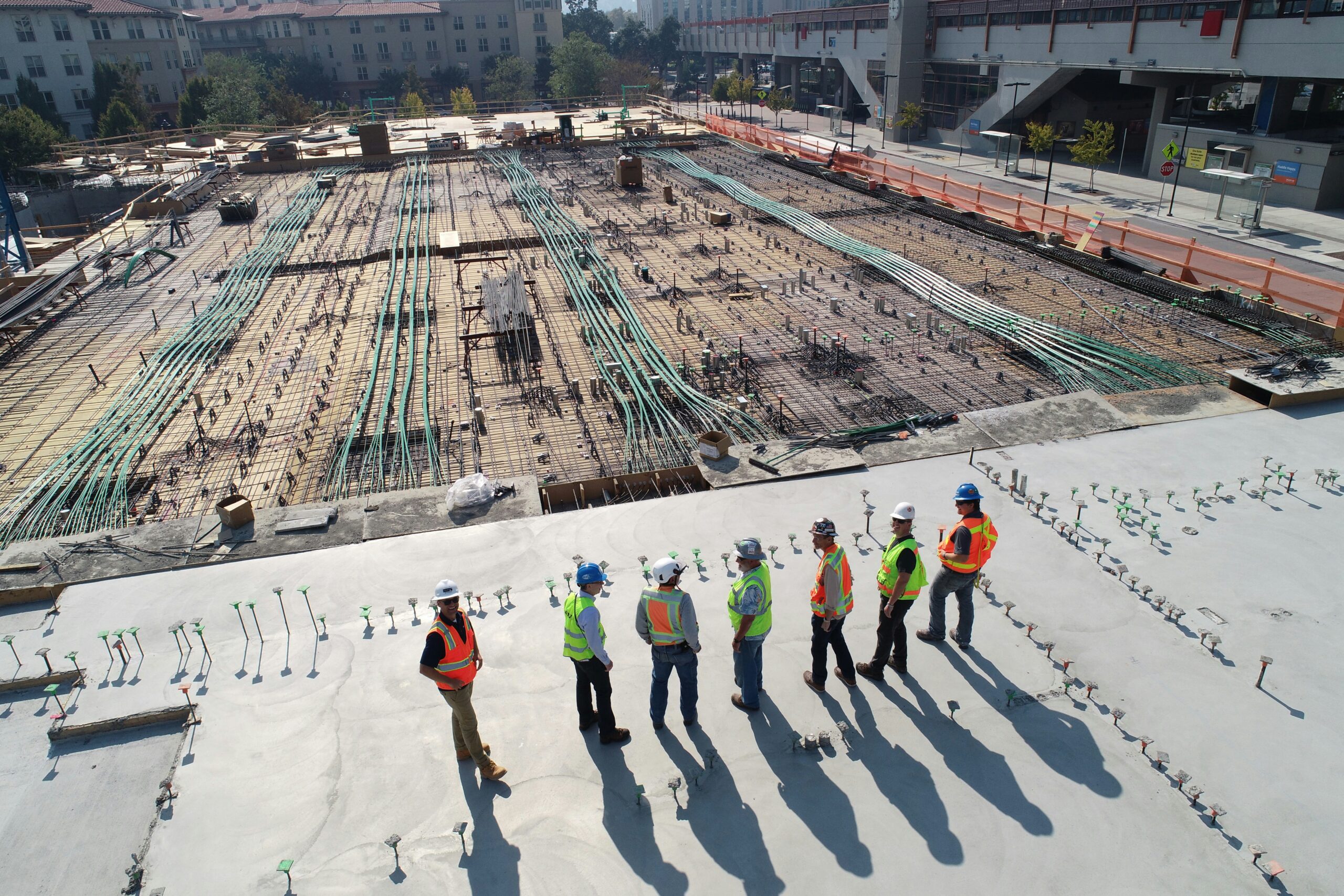
Commercial construction is undoubtedly expensive, as every phase requires money and a strict schedule. You pay for a ton of things, and even minor hurdles like material delays or bad weather can ruin your budget and push back your opening date. Hence, successfully building a commercial space from the ground up depends on your ability to see risks.
When there is no clear plan to handle construction costs and paperwork fees, even the best project can stall. It takes real vision to manage these details and see a project through to completion.
Therefore, most successful owners do not rely solely on their cash for large projects. They leverage commercial construction loans for different stages of a build to turn a large plan into a reality.
This article explains how construction financing can support you from groundbreaking to project completion. Keep reading to strategically use this financing strategy.
What is a Commercial Construction Loan?
A construction loan is a short-term funding source you access for the labor and materials needed to build a business property. While you take a mortgage to buy an existing building, this loan is strictly for the building process itself.
Here are some benefits of commercial construction loans:
- Interest-only payments
- Customizing the project and not letting limited funds hold you back
- Saving your working capital
- Building equity
Once your commercial construction loan application is approved, you get the capital to pay for everything that’ll make your building fully functional.
It’s also worth noting that since a construction site is not a finished asset, you can’t pitch it as collateral for the loan. Instead, the lender will estimate your qualification based on the said building’s projected value after its completion.
How is a Commercial Construction Loan Released?
When you are approved for a commercial construction loan, you don’t receive the full amount in one deposit, and it is released in stages. This process is called the draw schedule, and it is meant to match the funding with the project’s progress.
Since the lender is financing an unfinished project, they want to ensure that each construction phase is completed correctly before providing more capital.
The draw schedule is based on the milestone timeline, such as foundation completion, framing, or roof installation. Once you inform the lender that a milestone has been met, they send an inspector to the site to verify the work.
After the inspector’s verification, the lender releases your new funds to ensure there is no unnecessary break in the work. Notably, this schedule works in your favor because you typically pay interest only on the funds that have been released. You don’t take the full loan amount upfront, and you avoid paying unnecessary interest on funds that sit idle.
Let’s visualize this loan with a quick example:
Suppose you have a $1,000,000 construction loan. After clearing the site and completing the foundation, the inspector approves your work, and the lender releases $150,000. For now, you only pay interest on that $150,000. Then your framing and exterior walls are up. After the next inspection round, $250,000 more from your approved loan amount reaches you. Now, you pay interest on the $400,000. These checks and approvals continue until the project is finished and you’ve used the full loan amount of $1 million.
Main Categories of Commercial Construction Loans
Each building’s end goal is different, so lenders offer different loan structures to match your plans. Here are the main categories of commercial construction loans you’ll come across:
Construction-to-Permanent Loans
A construction-to-permanent loan is a single-close loan that covers everything from start to finish. You get approved for it as a construction loan and pay only interest while the building is in progress. Once the project is complete and ready for use, this loan automatically converts to a standard mortgage.
Construction-Only Loans
As the name suggests, construction-only loans are only for the ongoing work. Its term lasts as long as the build (usually 1-2 years), and it’s a common choice for developers who plan to sell the property once it is finished. At the end of the term, you’re required to pay off the full amount (by taking a new mortgage or paying out of pocket) and close the deal.
When Should You Apply for a Commercial Construction Loan?
The ideal time to apply for a commercial construction loan is during your planning stage, well before any work begins. You should not wait until the project is already underway to seek construction funding because lenders require you to secure the loan before you break ground. They want to approve the entire project during the underwriting process for quality assurance.
Note that to approve your loan, the lender will ask for your project’s blueprints, building permits, and a signed contract with a licensed builder. Also, if you try to get a loan “on an as-needed basis” mid-project, you will likely face rejection because starting without a loan creates “lien issues,” where contractors can place legal claims on the property for unpaid work.
Therefore, your financing must be fully in place before the first shovel hits the ground, so things keep moving.
What Can You Use Commercial Construction Funding For?
‘Construction’ is a blanket term, and multiple aspects of a functional building come under it. That said, here are some purposes you can use this funding for:
- Purchasing land
- Buying construction materials
- Hiring labor
- Paying architectural and engineering fees
- Covering permits and inspections
- Interior renovations
- Fixtures and installations
- Landscaping and infrastructure costs
Take Things Step By Step
Putting all your eggs in one basket doesn’t work in business because things can go south at any minute. That’s why smart investors don’t put their savings on the line for construction projects. Instead, they benefit from solutions like commercial construction loans and follow contract terms to complete work on time. If you’re also planning something big and need help with financing, ROK Financial is there for you. Our financing tools are meant to work in the real world, where risks are part of the package. So call us and let’s discuss your bright future!
FAQs
What if the project goes over budget?
Most loans include a “contingency reserve,” usually 5-10% of the total cost, for such situations. But if you exceed even that buffer, you must cover for it or ask the lender for a loan modification.
Can I act as my own General Contractor (Owner-Builder)?
Most commercial lenders discourage this unless you are a licensed professional with a proven track record. They prefer a third-party contractor to reduce the risk of mismanagement or delays.
What happens if my project fails an inspection during a draw request?
The lender will withhold the funds for that specific milestone until the issues are corrected. This protects both the lender and the business owner from paying for substandard work.
