


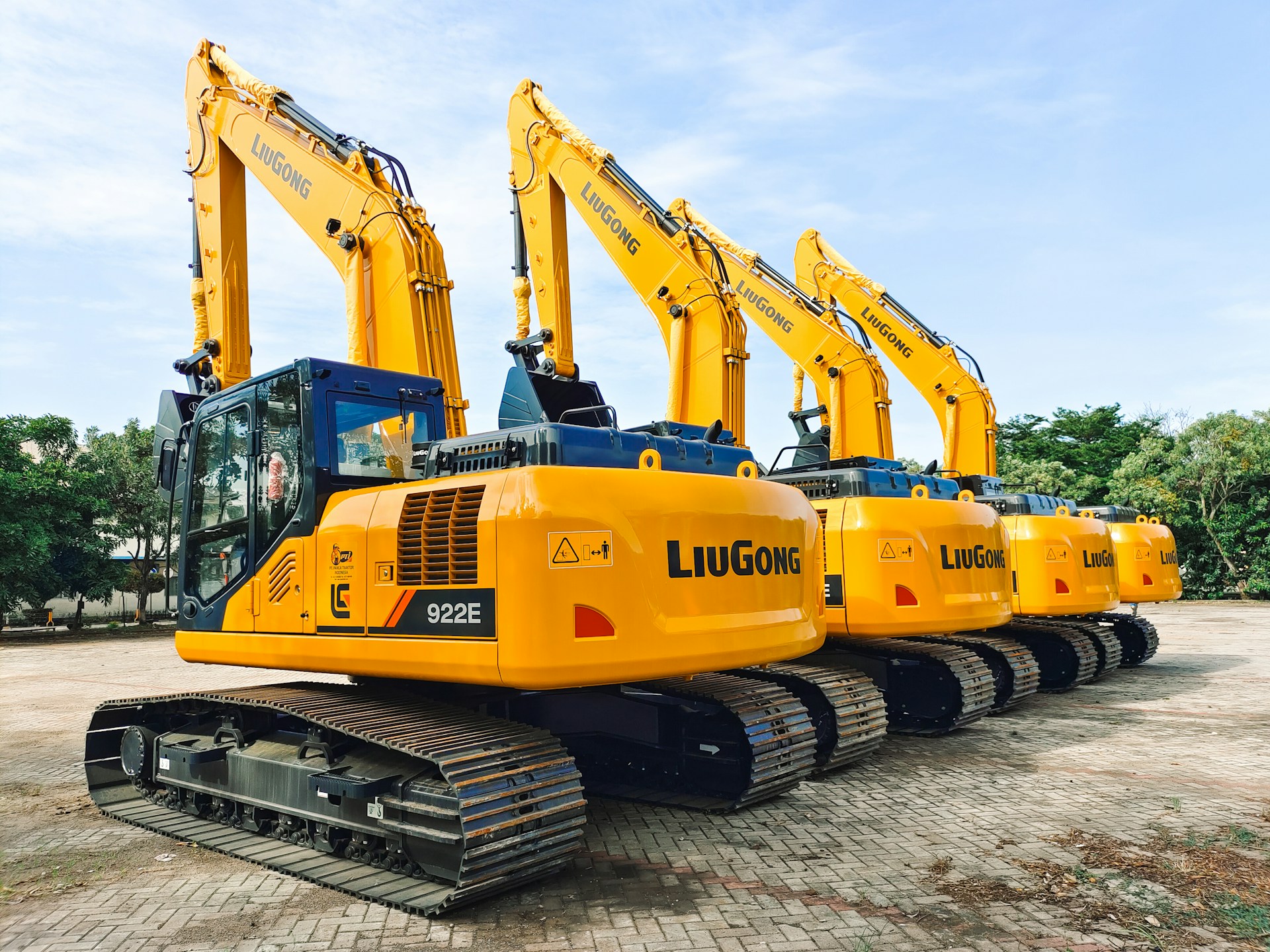
A construction business requires machinery and tools, which can eat up a big part of your operational expenses. For instance, if your new project needs a crane, the $200,000 upfront cost can stall your momentum before the shovel even hits the ground.
But the good thing is that you don’t have to own all the equipment being used in your projects. Construction equipment leasing lets you access expensive machinery without the hefty upfront cost of a full purchase. Instead, you lease the piece of equipment for a set period and, after project completion, return it to the owner.
This idea may sound a little impractical to contractors who are used to having a well-stocked equipment inventory. But once you understand how leasing might be more cost-effective, you’ll likely lean in its favor.
This blog explains how construction equipment leasing works and why it is a superior choice for contractors. Keep reading to know how this model can save you from going cash-strapped.
How Construction Equipment Leasing Works
A lease is a contract where you pay to use an asset you do not own, such as renting a house. The same logic applies to construction equipment leasing, where a contractor can use heavy machinery without purchasing it.
In an equipment lease agreement, a construction company pays the lender a monthly fee to use things like excavators, cranes, or bulldozers for a set period. It’s worth noting that the business using a machine is the lessee and the company/lender that owns it is the lessor.
You might wonder why not just acquire a machine or tool as a contractor, right? The reason is simple: companies lease equipment when they don’t have massive capital to purchase it in full, or they need it for a limited time, and buying it will mean it sits idle after a while. So instead of tying up a huge amount to a single machine, a smart contractor would rather lease a bunch of them to complete the project
For example, if a paving contractor needs a $250,000 road roller for a two-year highway contract, they may enter a 24-month lease instead of purchasing it. This way, they’ll pay a set monthly amount and at the end of the two years, return the machine.
That said, an equipment lease can be of the following two types:
Operating Lease
An operating lease is a short-term commitment where you pay to use the equipment and return it to the lessor when the agreed period ends. Since you don’t plan to buy the rented equipment, your lease payments are more like a monthly operating expense.
Capital Lease
A capital lease functions like a rent-to-own agreement. It means that you use the equipment, but the contract is set in a way that you will eventually take full ownership. Notably, a capital lease is a better choice for essential equipment that you will likely use for years.
Benefits of Leasing Construction Equipment Instead of Purchasing
Buying a heavy machine may lock your capital into a single asset. You might even need equipment financing to ‘own’ that particular tool, and a large amount will be stuck while you still have to cover operational expenses.
That’s when equipment leasing is a better option because it frees up your cash for other tasks. Here are some benefits of construction equipment leasing that allow contractors to complete more projects:
Access to Newer Technology
Modern construction machinery can be far more efficient than older models, and purchasing a piece of equipment will keep you stuck with the same tech for years. Therefore, leasing allows you to upgrade to the latest versions whenever a contract ends. Contractors can benefit from these machines’ better fuel economy or digging power, and help their operators work better. Notably, using the best tools on the market also makes your bids more competitive because you finish projects faster.
Fewer Maintenance Headaches
When you own equipment, you’re responsible for every breakdown, and these costs can even impact your project budget. Luckily, most construction equipment leasing agreements include a maintenance plan where the lessor handles all repairs. So even if a machine stops working, the leasing company fixes it or sends a replacement. You do not have to hire specialized mechanics or buy expensive spare parts.
Easier Tax Deductions
When you buy a machine, you have to track its depreciation over many years, which can delay your tax benefits. On the other hand, the IRS treats lease payments as a direct business expense, and you can often deduct the monthly payment immediately. This simple process lowers your taxable income and keeps more cash in your business instead of sending it to the government.
Preserving Your Borrowing Power
Buying heavy machinery may mean you take a massive loan, which will sit on your balance sheet. This debt can even make your business look risky to lenders, and banks may refuse to give you more credit if they see you are already maxed out on equipment loans. Luckily, equipment leasing doesn’t do that as it’s more like a monthly expense and not a debt. You can keep your financial profile clean and your credit lines open.
Project-Specific Flexibility
Construction jobs have different requirements—you may need a specialized machine for one contract but never use it again. If you purchase that too, you’ll have an expensive (and even useless) asset sitting in your yard. But with leasing, you get the exact tool you need for the work at hand and return it when the project is finished. You won’t pay for machinery you don’t use.
Don’t Tie Your Resources
Equipment leasing helps ensure that your money isn’t tied up. Instead, it lets you use the same machine for a monthly fee and return it when it’s no longer relevant to your project. For more information and the best leasing rates, contact ROK Financial and have your financing sorted!
FAQs
What happens if the equipment breaks down on the job site?
If the machine fails due to normal wear or mechanical issues, the leasing company usually fixes it or gives you a replacement. However, if your operator causes the damage through misuse or negligence, you’ll have to cover the repair costs. That’s why most contractors use insurance or damage waivers to cover this risk.
What credit score is required to qualify for an equipment lease?
Lenders typically seek a score of 650 or higher for the best rates. But since the machine itself acts as collateral, requirements are more flexible than bank loans. So even if your score is lower, a larger down payment or proof of strong project contracts can help you qualify.
Can I add additional equipment to an existing lease agreement?
Yes. You can use a “master lease” to add more units as your workload grows. Such a lease keeps all your machinery under one contract with a single monthly payment date.
