


No matter what business you’re in, you need modern technology to stay competitive.
However, buying /leasing equipment, while also preserving enough working capital for other expenditures is a highly strategic decision. And the smartest way to go about it is equipment financing.
Equipment financing is a set of loan programs devised to help companies lease or buy essential machinery. More than 8 in 10 companies in the US use some form of equipment loans, which indicates how crucial it is to sustain a business.
In this article, we will look into equipment financing for startups, and how you can qualify for it.
What is Equipment Financing?
Equipment financing is a way for businesses to get the tools they need without paying the full cost upfront. Instead of spending a large amount of cash all at once, a company can either take a loan to buy the equipment or lease it and pay for its use over time.
Here, “equipment” can include a wide range of assets depending on the industry.
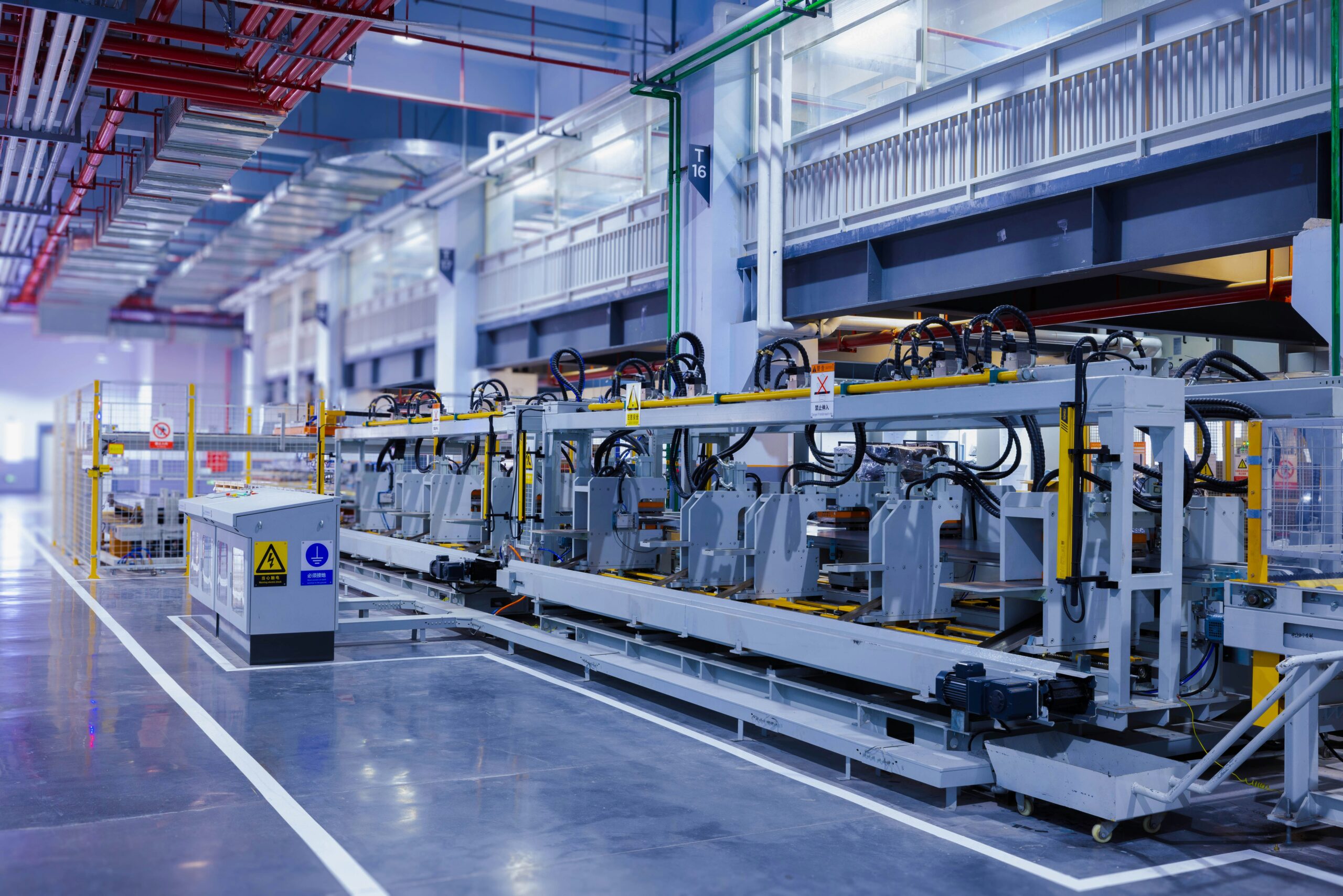
It could be heavy machinery for manufacturing, medical devices for healthcare providers, kitchen equipment for restaurants, or even computers and software-driven systems for tech companies.
In short, whatever is essential for your business operations and has a measurable cost, it usually qualifies.
Now, there are two ways this works. With an equipment loan, the business owns the equipment from the start but pays for it in monthly installments, similar to a typical loan.
With equipment leasing, the business pays to use the equipment for a fixed period, and depending on the agreement, may have the option to upgrade, return, or purchase it later.
In practice, the entire process is very straightforward. One great thing is that the equipment itself acts as a collateral, which makes it easier to get approved for the loan.
Types of Equipment Financing Loans
Here are the different types of equipment financing loans:
Equipment Loans
Equipment loans are the most straightforward option. A lender provides the full cost of the equipment upfront, and the business repays it in fixed monthly installments over a set period.
From day one, the business owns the equipment, while the lender uses it as collateral until the loan is fully paid off.
This option works best when the equipment has a long useful life and won’t need frequent upgrades, such as heavy machinery or large industrial tools.
Equipment Leasing
Leasing allows businesses to use equipment without owning it immediately. Instead of paying the full cost, you make monthly payments for the duration of the lease.
At the end of the term, you may have options to return the equipment, renew the lease, upgrade to newer models, or purchase it.
Leasing is ideal for equipment that becomes outdated quickly, such as computers, medical devices, or technology systems.
$1 Buyout Lease
$1 buyout lease functions more like a loan. Monthly payments are slightly higher, but at the end of the term, the business can purchase the equipment for a nominal amount (usually $1).
It’s a good option for companies that ultimately want ownership but prefer to spread the cost over time instead of paying upfront.
Fair Market Value (FMV) Lease
An FMV lease typically offers lower monthly payments compared to a buyout lease because you’re not paying toward full ownership.
At the end of the lease, you can either return the equipment, extend the lease, or purchase it at its current market value.
This option is best for businesses that want flexibility and plan to upgrade equipment regularly.
Sale-Leaseback
In a sale-leaseback arrangement, a business sells equipment it already owns to a financing company and then leases it back. This frees up immediate cash while allowing the business to continue using the equipment.
It’s often used by companies that need quick liquidity without disrupting operations.
How to Qualify for Equipment Financing?
Here’s what lenders look for in your equipment loan applications:
Business and Owner Profile
Lenders first look at who they’re dealing with.
You need to have a registered business, basic documentation, and a clear idea of what equipment you’re purchasing.
Potential lenders will also look into your personal credit (especially if your business is relatively new) since it reflects reliability in handling repayments.
Revenue and Cash Flow
A rule of thumb – if your business can keep up with the repayment schedule, you are eligible for the loan.
This is assessed by your company’s financial history that demonstrates your revenue. Companies with a good, and more importantly, consistent revenue, are more likely to get approved for a loan.
Equipment Value and Type
The type of equipment you intend to buy /lease with funds itself plays a huge role in the lender’s decision.
Lenders prefer assets that hold value and can be resold if needed. Given this, equipment that depreciates too quickly or has limited resale demand may be harder to finance.
Down Payment
Some lenders require a down payment, often around 5 to 20% of the equipment cost. The required amount is variable, and depends on where your cashflow stands.
Since the goal is to reduce lender’s risk, companies with strong financial profiles will have to pay less in down payment.
Time in Business
Established businesses have a higher chance of getting approved for a loan, which is understandable considering they are potentially more capable of paying it back in time.
However, your time in business, while important, isn’t the only deciding factor. Startups also have the potential to get approved for equipment financing. For them, things like business plan, credit history, and equipment value is evaluated.
Conclusion
Buying the latest equipment, while also ensuring you don’t disrupt company’s cashflow is a real challenge. Equipment financing is the way around it!
Whether through loans or leasing, it offers a practical way to grow, upgrade, and operate efficiently without large upfront costs.
At ROK Financial, we help companies choose the most suitable equipment financing programs, and then apply and qualify for it.
So if you are applying for an equipment loan, let us walk you through the process. Reach out today!
Frequently Asked Questions
Is it better to lease equipment, or should we purchase it?
The decision between leasing vs buying equipment depends on quite a few factors.
If you’re using tech that is likely to require frequent upgrades, such as medical equipment, it is obviously not wise to buy one.
However, if your equipment has a long, useful life, buying it outright makes more sense. In this case, while monthly costs may be higher, you avoid ongoing lease cycles and gain full control of the asset over time.
What is lifecycle cost analysis in equipment financing?
Lifecycle cost analysis means evaluating the total cost of owning or using equipment over time, and not just the purchase price or monthly payment.
This includes initial acquisition costs, staff training, installation expenses and ongoing expenses such as maintenance, and licensing.
Having a clear projection of cost will help you decide whether leasing (lower upfront, higher long-term flexibility) or buying (higher upfront, potentially lower total cost) is more financially efficient for your business.