


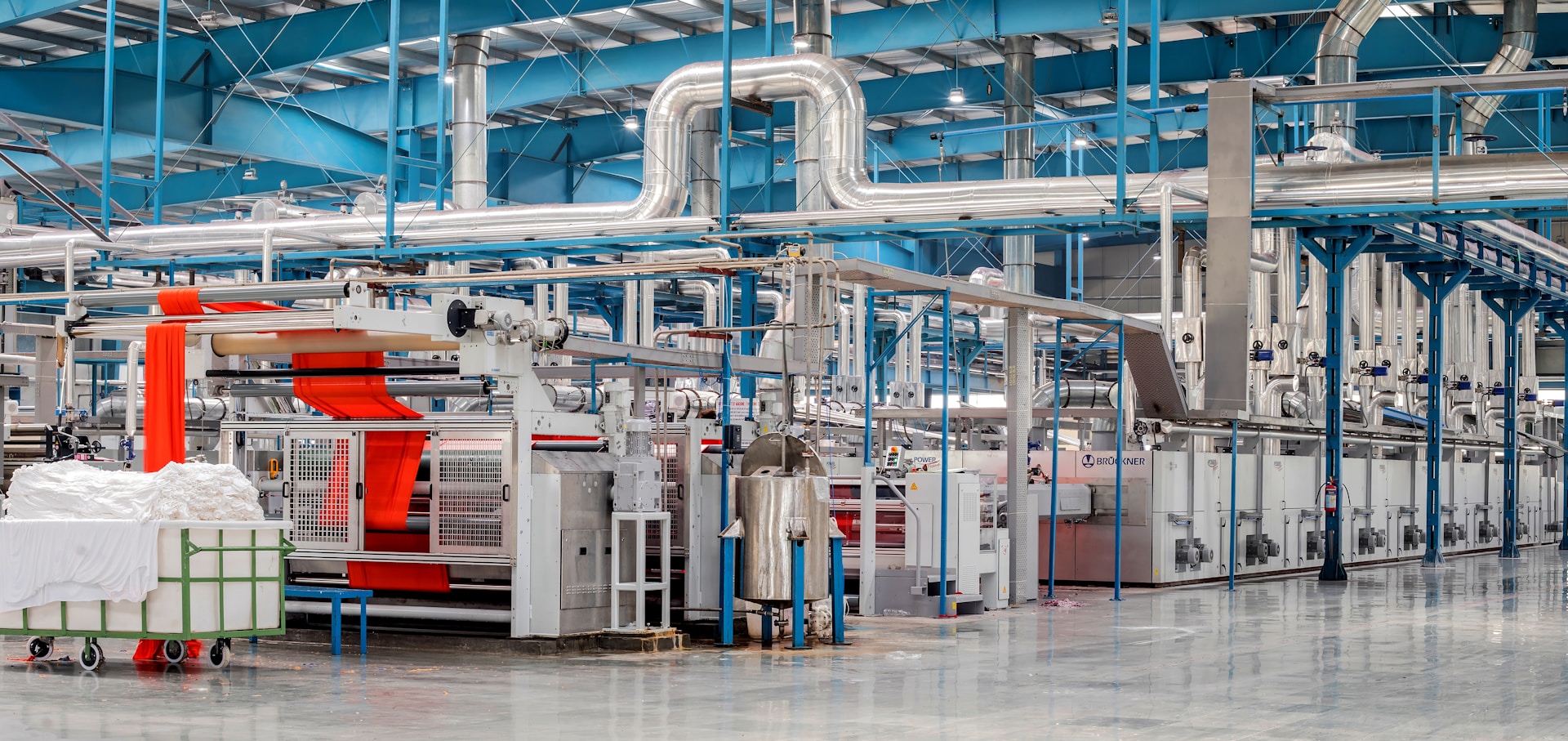
Equipment manufacturing doesn’t come cheap, and your capital expenditure can run from tens of thousands of dollars to even millions.
Manufacturing equipment directly determines your production capacity and product quality. As demand increases or competition intensifies, outdated machinery can slow output, increase defects, and raise labor costs.
However, for most businesses, it is impractical to fund machinery production, expansion and automation without going bankrupt. The solution? Manufacturing equipment loans!
In this article, we will look into manufacturing equipment loans, what they are, how they work, and how you can get them.
What are Manufacturing Equipment Loans?
Manufacturing equipment loans are specialized financing solutions designed to help industrial businesses acquire, upgrade, or replace machinery without paying the full cost upfront.
When it comes to manufacturing, equipment is not a minor expense – it is the backbone of production. CNC machines, robotic arms, conveyor systems, injection molding equipment, 3D printers, packaging lines, and heavy fabrication tools can cost you several million dollars.
For most manufacturers, absorbing that expense in one payment would severely restrict working capital.
Equipment manufacturing loans allow businesses to spread the cost of equipment over a fixed period through structured monthly payments.
In most cases, the equipment itself serves as collateral, which reduces the lender’s risk and often results in more accessible approval terms compared to unsecured loans. Loan terms typically align with the expected useful life of the machinery, ensuring that payments are made while the equipment is actively generating revenue.
Manufacturing equipment loans fund both new and used machinery, as well as related costs such as installation, transportation, software integration, and in some cases, operator training.
This makes them suitable not only for expansion but also for when outdated equipment is limiting output or efficiency.
These loans are commonly used by small to mid-sized manufacturers looking to increase production capacity, reduce per-unit costs, automate manual processes, or fulfill larger contracts.
What do Lenders Evaluate for Manufacturing Equipment Loans?
Unlike general business loans, manufacturing equipment loans are asset-focused. Lenders evaluate both the financial strength of the business and the resale value and durability of the equipment being financed.
Their goal is to assess and ensure that the machinery will remain productive long enough to comfortably support repayment.
Here’s their basic evaluation criteria:
Financial Stability and Cash Flow
Lenders first examine your company’s financial health. This includes revenue trends, profit margins, existing debt obligations, and overall cash flow stability. Since loan payments must be supported by operating income, consistent revenue and predictable margins strengthen approval odds.
Seasonal fluctuations are not necessarily disqualifying, but lenders will want to see that cash flow can comfortably absorb the new obligation.
Equipment Value and Useful Life
Because the equipment typically serves as collateral, lenders assess its resale value, durability, and expected lifespan. Established brands with strong secondary markets are viewed more favorably than highly customized or niche machinery with limited resale demand.
The loan term is often structured to align with the equipment’s useful life, reducing long-term risk.
Operational Purpose and ROI
Lenders also want to understand why you’re acquiring the equipment. Is it increasing production capacity, improving efficiency, reducing labor costs, or fulfilling a secured contract?
Clear projections demonstrating how the equipment will generate revenue or improve margins provide confidence that the investment is strategic rather than speculative.
Industry and Market Conditions
Certain manufacturing sectors carry more volatility than others. Lenders evaluate industry demand, supply chain stability, and broader economic conditions. A business operating in a stable or growing market segment is generally considered lower risk.
Management Experience
Finally, lenders assess leadership capability. A management team with industry experience and a track record of successful operations signals reduced execution risk. Even strong equipment cannot compensate for poor operational oversight.
Types of Manufacturing Equipment Loans
Here are the different programs available for manufacturing equipment loans:
Traditional Equipment Term Loans
A standard equipment term loan is one of the most common options. The lender provides a lump sum to purchase machinery, and the business repays it over a fixed period with scheduled monthly payments.
The equipment serves as collateral, which can result in competitive rates and longer repayment terms.
This structure works well for companies that want ownership from day one and plan to use the machinery for its full useful life.
Equipment Leasing
Leasing allows manufacturers to use equipment without immediately purchasing it. Payments are typically lower than loan installments because you are financing usage rather than full ownership.
At the end of the lease term, businesses may have the option to purchase the equipment, renew the lease, or upgrade to newer technology. Leasing is particularly attractive for rapidly evolving technology or automation systems that may become outdated.
SBA Equipment Financing
Government-backed programs, such as SBA-backed loans, can provide longer terms and lower down payments for qualified manufacturers.
These loans are often used for larger capital expenditures and may include additional business expansion costs alongside equipment purchases. While approval can take longer, the terms may be more flexible.
Sale-Leaseback Arrangements
In a sale-leaseback, a manufacturer sells existing equipment to a financing company and then leases it back.
This frees up immediate working capital while allowing continued use of the machinery. It’s often used to improve liquidity without disrupting operations.
Conclusion
If you want to modernize operations, increase production capacity, and invest in automation without compromising liquidity, manufacturing equipment loans are the way around it.
At ROK Financial, we work closely with manufacturers to structure equipment financing that fits your production goals and financial profile.
If you’re planning an upgrade, expansion, or automation initiative, contact us today to explore manufacturing equipment loan options built around your growth strategy.
Frequently Asked Questions
Can I finance both equipment and installation costs together?
Many lenders allow you to bundle soft costs into the loan, including shipping, installation, software integration, calibration, and even certain training expenses.
Rolling these into one financing package prevents unexpected out-of-pocket costs and ensures the equipment is fully operational without disrupting working capital.
Is a down payment required for manufacturing equipment loans?
In many cases, lenders require a down payment ranging from 5% to 20%, depending on credit strength, time in business, and the type of equipment being financed.
However, well-qualified borrowers may secure low- or even zero-down structures, particularly when financing equipment with strong resale value and established market demand.
