


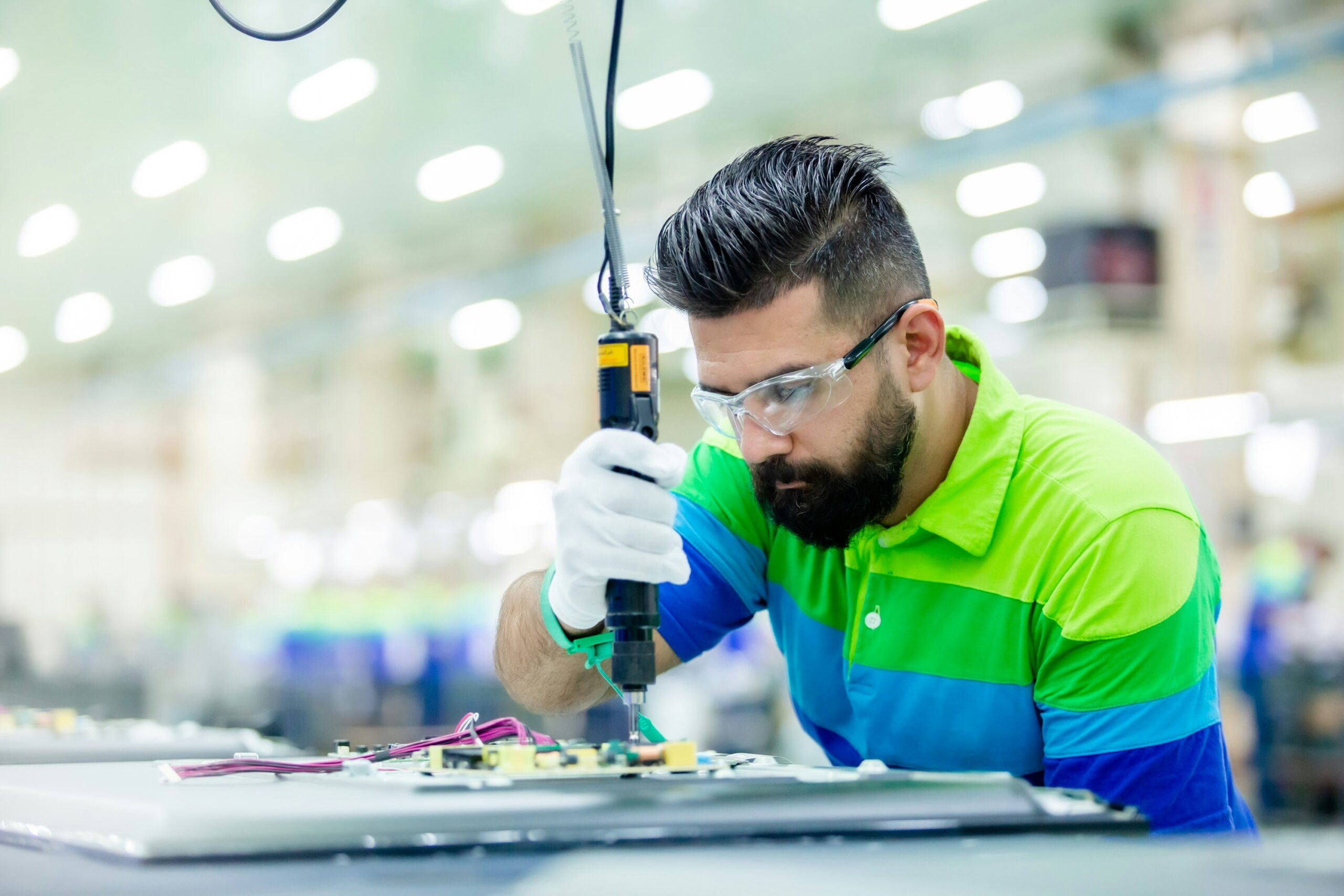
For manufacturing businesses, production capacity often determines how quickly the company can grow.
Expanding operations, improving efficiency, or meeting higher customer demand usually requires upgraded machinery and automation systems – all of which can involve high upfront costs.
Manufacturing equipment loans help businesses acquire the tools they need without disrupting cash flow through large one-time purchases. Instead of delaying expansion plans or using substantial working capital reserves, companies can spread equipment costs over time while continuing daily operations.
In this article, we will learn more about how manufacturing equipment loans work, and what funding options are available.
What are Manufacturing Equipment Loans?
Manufacturing equipment loans are financing solutions specifically designed to help businesses purchase machinery and production-related equipment without paying the full cost upfront.
Instead of making a large one-time capital purchase, the business borrows funds and repays the lender over time through scheduled installments.
In many cases, the equipment itself serves as collateral for the loan, which can make approval easier compared to unsecured financing options.
Loan structures vary depending on the lender, equipment type, and the financial profile of the business. Some loans cover only the equipment cost, while others may also include installation, software integration, shipping, or maintenance-related expenses.
These loans are commonly used to finance:
- Industrial machinery
- CNC equipment
- Production line systems
- Packaging equipment
- Commercial refrigeration systems
- Warehouse automation
- Material handling equipment
- Robotics and automation technology
- Construction and fabrication machinery
How Do Manufacturing Equipment Loans Work?
The structure of a manufacturing equipment loan is usually simpler than many businesses expect.
A lender provides financing for approved equipment purchases, and the borrower repays the amount over a fixed term with interest. Repayment schedules are typically monthly, although terms can vary depending on the financing agreement.
Several factors influence loan structure:
- Equipment value
- Expected lifespan of the machinery
- Business revenue
- Credit history
- Industry risk
- Down payment amount
Longer-life equipment often qualifies for longer repayment terms because the machinery continues generating value over a greater period of time.
For example, a manufacturer purchasing a high-value automated production system may secure financing over five to seven years, helping distribute costs more sustainably across future revenue generation.
Types of Manufacturing Equipment Loans
Manufacturing businesses have different financing needs depending on the type of equipment, production goals, and cash flow structure.
As a result, lenders offer several types of equipment financing solutions designed for different operational situations.
Traditional Equipment Loans
Traditional equipment loans are one of the most common financing options for manufacturers. In this structure, the lender provides funds specifically for purchasing machinery or production equipment, and the business repays the amount over a fixed term with interest.
The equipment itself usually serves as collateral, which can make approval more accessible compared to unsecured business loans.
These loans are often used for high-value assets such as CNC machines, industrial printers, fabrication systems, or automated production lines.
Equipment Leasing
Equipment leasing allows manufacturers to use machinery without purchasing it outright. Instead of owning the equipment immediately, the business makes scheduled lease payments for a set period.
This option is often preferred when equipment may become outdated quickly or when companies want lower upfront costs.
At the end of the lease term, businesses may have the option to renew the lease, upgrade equipment, or purchase the machinery depending on the agreement structure.
SBA Equipment Financing
Some manufacturers use Small Business Administration (SBA) loan programs to finance equipment purchases. SBA-backed financing generally offers longer repayment terms and competitive interest rates, making it attractive for businesses seeking affordable long-term financing.
These loans can be used for machinery, production systems, warehouse equipment, and other operational assets that support business growth.
Sale-Leaseback Financing
In a sale-leaseback arrangement, a manufacturer sells owned equipment to a financing company and then leases it back for operational use.
This structure allows businesses to unlock capital tied up in existing machinery while continuing to use the equipment normally.
Manufacturers often use sale-leasebacks to improve cash flow, fund expansion, or manage operational expenses without interrupting production activities.
What Do Lenders Evaluate Before Approving Financing?
Equipment lenders usually evaluate both the financial strength of the business and the value of the equipment being financed. Since the machinery often serves as collateral, approval requirements may sometimes be more flexible than traditional unsecured loans. However, lenders still assess several important factors before making a financing decision.
Common considerations include:
- Time in business: Established companies with a longer operating history are often viewed as lower risk because they have demonstrated operational stability over time.
- Revenue stability: Lenders typically look for consistent revenue patterns to ensure the business can comfortably manage repayment obligations.
- Cash flow performance: Strong cash flow indicates the company can cover operational expenses while continuing to make scheduled loan payments.
- Business credit profile: Credit history helps lenders evaluate how responsibly the business has managed previous debt and financial obligations.
- Existing debt obligations: High existing debt may affect approval chances if lenders believe repayment capacity is already stretched.
- Equipment resale value: Machinery with strong resale value may improve financing terms because it provides stronger collateral security.
- Industry conditions: Lenders also consider broader market conditions, including demand trends, supply chain stability, and risks associated with the manufacturing sector involved.
Conclusion
Manufacturing equipment financing plays a practical role in helping businesses expand production capacity without putting strain on working capital. For manufacturers, the decision is not just about acquiring machinery but about timing investments in a way that supports steady growth.
ROK Financial works with businesses across manufacturing and other industries to connect them with financing solutions suited to their operational needs.
Whether a business is upgrading machinery, scaling output, or replacing outdated systems, we help simplify the financing process and match companies with suitable lending options.
Take the next step toward scaling production with confidence – contact us today!
Frequently Asked Questions
What types of equipment are eligible for manufacturing equipment loans?
Manufacturing equipment loans generally cover a wide range of machinery and operational assets used in production and logistics.
This includes CNC machines, assembly line systems, packaging equipment, industrial printers, robotics, forklifts, warehouse automation tools, and fabrication machinery. In some cases, lenders may also finance supporting systems such as software integrations, installation costs, and safety equipment tied directly to production.
The key requirement is that the equipment must have a clear business use and contribute to revenue generation or operational efficiency.
Lenders also tend to favor equipment with strong resale value, as it strengthens the collateral profile of the loan.
How long does it take to get approved for manufacturing equipment loans?
Approval timelines for manufacturing equipment loans vary depending on the lender and the complexity of the application.
In many cases, businesses can receive initial approval within a few days if financial documents are in order and the equipment details are clearly defined. Full funding may take anywhere from a few days to a few weeks.