


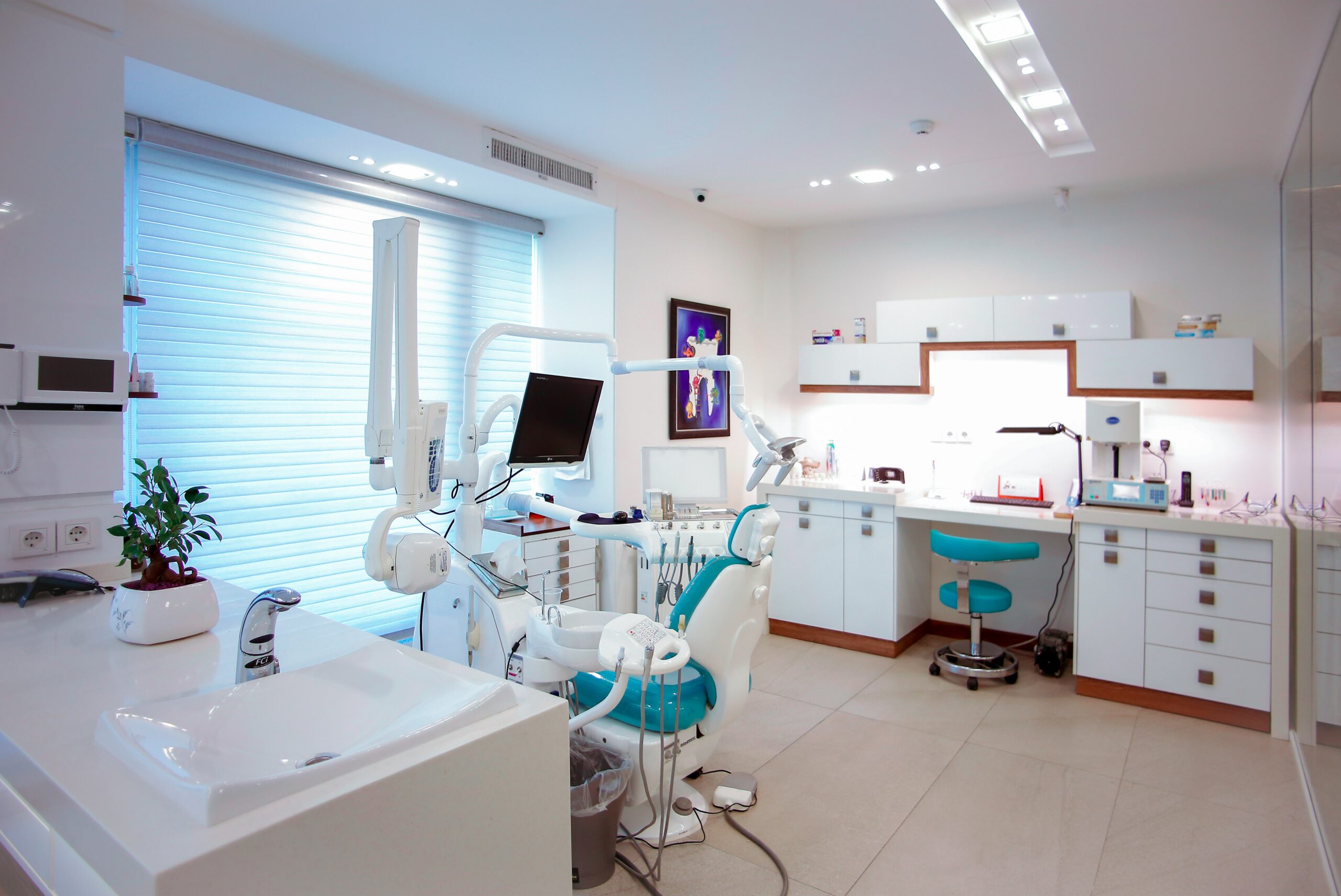
Thriving in healthcare takes effort, funding, and planning. If any of these aspects go wrong, your practice might not grow. But luckily, solutions like medical equipment financing exist to take some burden off your shoulders. This financing allows a practice to purchase costly machinery without having to pay for it upfront.
Because diagnostic and administrative equipment is crucial to a healthcare practice, financing it helps you avoid exhausting your resources. Today, we’ll discuss medical equipment financing to see how it can support your growth goals.
What is Medical Equipment Financing?
Medical equipment financing is a loan or lease that lets a practice buy or use medical equipment without paying the full price upfront. After equipment financing is approved, the lender covers the cost, and the practice repays it in fixed monthly installments over an agreed term with interest.
Let’s understand with a quick example. Suppose a practice wants a $150,000 MRI machine, but paying cash will mean pulling that entire amount from working capital at once. That’s when the practice uses medical equipment financing. The financing plan will allow the practice to put down $15,000 and spread the remaining $135,000 over five years.
If we assume the standard rate, the monthly repayment amount for the practice will be roughly $2700 per month, which is easily manageable. Thanks to this solution, the medical practice gets the machine running and earning revenue while also keeping enough cash for other expenses.
How Can Medical Equipment Financing Save a Practice From Financial Pain
Opening and equipping a medical practice costs big $$ because it comes with 100s of expenses. But that doesn’t mean a healthcare provider cannot fulfill their dream of running an independent practice. With some budgeting and financing, you can cover those big expenses without going broke.
Here is how medical equipment financing saves a practice from money troubles:
Preserved Working Capital
Sufficient cash flow is crucial for any practice, but equipment purchases are one of the biggest threats to it. For instance, paying for a large purchase in cash can wipe out months of reserves and leave you with nothing to fall back on. But medical equipment financing can change that equation because it breaks the cost into monthly payments instead of one massive outflow.
Suppose a practice has $80,000 in reserves and needs a $60k ultrasound machine; paying cash leaves just $20k as a buffer, which is not enough. Hence, the practice uses financing to keep a stronger buffer for payroll, rent, or a slow month.
Doubling as Collateral
Medical equipment financing can protect a practice’s financial health because it doubles as collateral. These equipment loans use the machine itself as security, and lenders don’t need a lien on other business assets or a personal guarantee.
This type of agreement lowers risk for both sides. Put simply, the lender has a clear asset to recover if payments stop, and the practice owner doesn’t risk losing any personal assets if there is a disruption in the payment cycle.
Predictable Monthly Costs
A healthcare practice’s financial stress often comes from not knowing what’s coming next. However, properly scheduled business financing terms solve that problem by turning a major purchase into a set monthly payment. This payment wouldn’t move if interest rates shift or the practice has a slower quarter.
Eventually, the owner can build that number into their budget a year in advance and plan around it. If we compare this arrangement with paying cash for a major purchase, the aftershock can show up for months afterward. For example, you might face delayed hires, insufficient repairs, or tighter supply budgets, all of which impact your operational efficiency.
Faster Access to Updated Equipment
Outdated equipment is a quiet cost that most practices underestimate. For instance, patients and referring physicians notice when a practice is running older technology and redirect business elsewhere.
If you think about saving enough cash to overcome this problem, it’ll take months (if not years), and by then, the tech might have moved on even further. Therefore, smart practices prefer financing to close that gap and secure current-generation equipment. Lease-based structures go further and let a practice upgrade again when the term ends, so it never falls too far behind.
Room to Grow Without Overextending
Medical equipment financing can protect a practice’s financial health by allowing room to grow without overextending. Since every stage of growth demands cash for hiring, machinery, or a new location, pulling from your existing pool of money might put the practice in a tight spot.
That’s why financing keeps your growth plans separate from what’s dedicated to current liabilities. It lets you fund equipment through an exclusive payment plan while keeping operating cash free for everything else.
Conclusion
Don’t let high costs in the healthcare field impact your goals. You can have a strict business budget and still ace it through proper financing channels. ROK Financing ensures medical practices always have sufficient resources to upgrade and thrive. Explore our packages and fuel your next step!
FAQs
Can I finance used medical equipment?
Yes, you can finance used equipment as well. But know that repayment and interest rates tend to run higher for used machinery. Also, the repayment terms might be shorter than new equipment, since used machines carry more wear and a shorter expected lifespan.
What’s the difference between financing and leasing equipment?
Financing means the practice owns the equipment once the loan is paid off. However, leasing means renting it for a set term. It often comes with lower monthly payments and gives you the option to upgrade or return it when the lease ends.
What credit score do I need to qualify for medical equipment financing?
A credit score above 650 gives you the best shot at approval and stronger terms. Although scores in the 500s and 600s can still qualify, expect higher rates and shorter repayment terms in exchange for this added risk.