


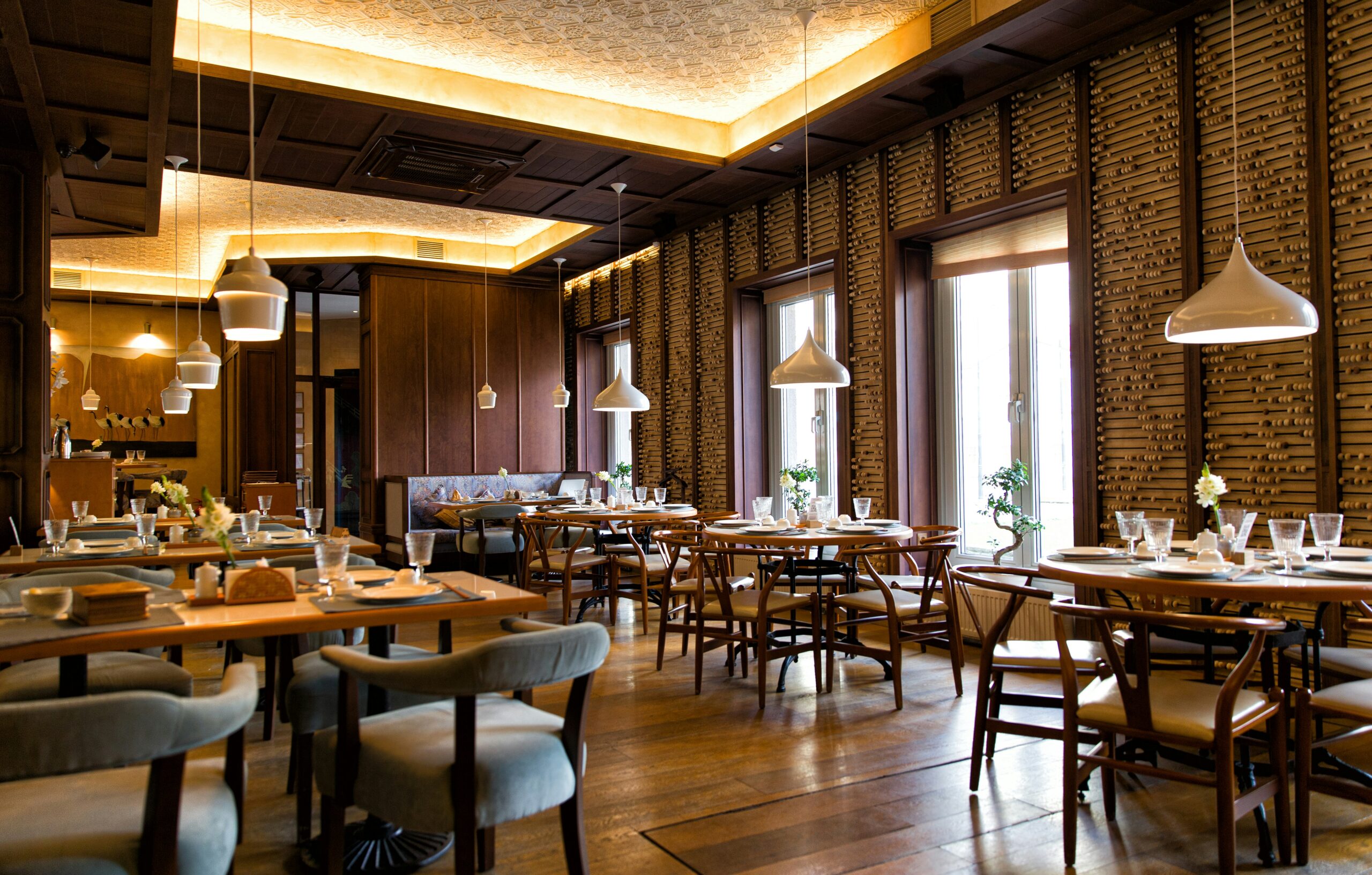
A restaurant does not have to wait for a large cash reserve before upgrading the equipment it needs to operate.
A commercial oven, refrigeration system, fryer, dishwasher, food preparation equipment, or other kitchen machinery can require a significant upfront investment, particularly when several pieces need to be purchased at once.
Restaurant equipment financing gives owners a way to spread that investment over time while keeping more working capital available for payroll, inventory, rent, and other operating expenses.
The key, however, is choosing financing that fits the equipment purchase and the restaurant’s cash flow. The right structure can make a necessary upgrade manageable without tying up cash that the business needs elsewhere.
In this article, we will look into restaurant equipment financing, how it works, and why you should consider it.
How Restaurant Equipment Financing Works
Restaurant equipment financing allows owners to acquire the machinery and kitchen equipment they need without paying the entire purchase price upfront
Instead, the cost is spread across scheduled payments over a set financing term, allowing the restaurant to preserve cash for inventory, payroll, rent, marketing, and other operating expenses.
Start With the Equipment You Need
The process typically begins with identifying the equipment and its cost. This could include commercial ovens, refrigeration units, ranges, fryers, dishwashers, food processors, or other specialized equipment.
Depending on the financing program, businesses may be able to finance new or used equipment, although the equipment’s age, condition, and value can affect available terms.
Apply for Financing
The lender will generally review factors such as the restaurant’s revenue, time in business, credit profile, existing obligations, and the cost and type of equipment being purchased.
The strength of the business and the financing request help determine the amount, rate, repayment term, and other conditions available.
Purchase the Equipment and Repay the Financing
Once approved, financing can be used toward the equipment purchase, with the business repaying the amount over the agreed term. Depending on the structure, the equipment itself may serve as collateral for the financing.
For example, a restaurant purchasing $80,000 in kitchen equipment could finance the purchase instead of using $80,000 of its available cash. That leaves more liquidity available for day-to-day expenses while allowing the restaurant to put the equipment to work immediately.
The important consideration is whether the financing payment fits comfortably within the restaurant’s expected cash flow and whether the equipment provides enough operational or financial value to justify the investment.
How to Choose Restaurant Equipment Financing That Fits Your Business
The right restaurant equipment financing is not necessarily the option with the lowest advertised rate or the largest approval amount.
The financing should make sense alongside the equipment’s cost, expected useful life, and the restaurant’s existing cash flow.
Consider these factors before accepting an offer:
Match the Financing Term to the Equipment
The repayment period should make sense for how long the equipment is expected to remain productive.
Financing a commercial refrigerator, oven, or other long-term asset over a suitable term can make payments more manageable without continuing to pay for equipment long after it has reached the end of its useful life.
Shorter terms may reduce total interest but result in higher periodic payments.
Compare the Total Cost
Look beyond the interest rate. Compare the total amount you will repay, including origination fees, documentation charges, prepayment penalties, and other costs included in the agreement.
Two offers with similar rates can have different overall costs once fees and repayment terms are considered.
Keep Enough Cash for Operations
Restaurants have ongoing expenses that do not stop when a major equipment purchase is made.
Before committing to a financing payment, consider how much working capital will remain for inventory, payroll, rent, repairs, and slower sales periods.
Financing the purchase may be useful precisely because it allows the business to acquire equipment without exhausting its available cash.
Consider the Equipment’s Financial Return
Calculate the ROI on your equipment. The equipment should have a clear business purpose. A new oven might increase production capacity, while upgraded refrigeration could reduce spoilage, and a commercial dishwasher could reduce labor requirements.
Consider the additional revenue or savings the equipment is expected to generate and whether that value reasonably supports the financing payment.
Review the Full Financing Structure
Understand what happens if you want to pay the balance early, miss a payment, replace the equipment, or sell the business.
Also check whether a down payment, personal guarantee, or additional collateral is required.
These details can materially change the practical cost and obligations of the financing.
Compare Offers Before You Commit
If multiple financing options are available, compare them on the same terms: amount financed, upfront costs, payment amount, repayment period, total cost, and collateral requirements.
Looking at the complete structure makes it easier to identify an option that supports the equipment purchase without putting unnecessary strain on the restaurant’s finances.
Conclusion
Restaurant equipment can be a major investment, but paying the full cost upfront is not always the best use of your available cash. Financing can help you acquire essential equipment while keeping working capital available for inventory, payroll, repairs, and other operating expenses.
The right option depends on the equipment, your restaurant’s cash flow, the financing cost, and the terms attached to the agreement.
At ROK Financial, we connect restaurant owners with lenders and financing options suited to their business and equipment needs.
Looking for the right lender? Contact us today!
Frequently Asked Questions
Can I finance used restaurant equipment?
Some financing programs allow businesses to finance used restaurant equipment.
However, eligibility and terms can depend on the equipment’s age, condition, value, and the lender’s requirements. Equipment that is well maintained and retains meaningful resale value may be easier to finance than older or heavily depreciated machinery.
The purchase price, equipment type, and your business’s financial profile can also affect the financing structure. Before purchasing used equipment, confirm that the lender will finance that specific asset and determine whether an inspection, appraisal, or additional documentation is required.
Can I finance restaurant equipment from different vendors?
Potentially, depending on the financing structure. Some financing arrangements can accommodate multiple equipment purchases, while others are designed around a specific purchase or vendor.
If you are opening a restaurant, renovating a kitchen, or replacing several pieces of equipment at once, it may be possible to finance the purchases under one facility rather than arranging separate financing for each item.
Ask about vendor requirements, minimum financing amounts, and whether combining purchases changes the available terms before finalizing your equipment orders.