


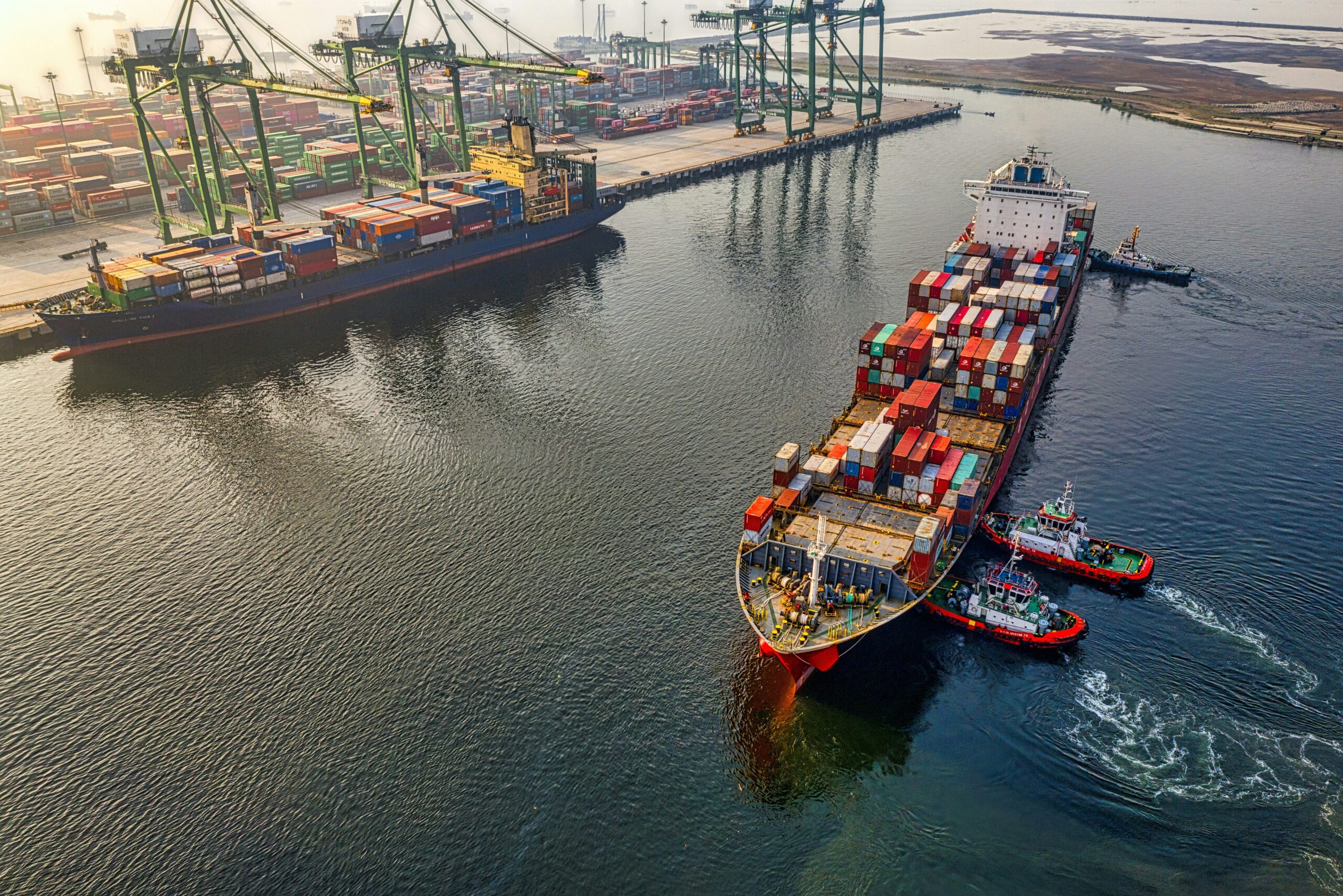
International trade happens between two parties who don’t share the same laws and, sometimes, business practices, which makes it riskier.
In a local transaction, the buyer checks the goods, pays, and takes them home. But in international deals, there remains a trust gap because of the physical distance.
The seller wants to be paid before shipping the goods, and the buyer doesn’t want to pay until what they ordered is in front of them.
Therefore, trade finance solutions exist to make global trade safer and practical for businesses of all scales. This guide discusses trade finance solutions in detail so you know how they can help manage international transactions efficiently.
Keep reading to see how this tool can shield you from losses.
What are Trade Finance Solutions?
Trade finance solutions are components of a system to help companies move goods and money safely across borders. These are mostly banks, financing providers, and sometimes lenders that act as a bridge between a buyer and a seller. A trade solution’s primary goal is to ensure that payment only happens when the order is correctly fulfilled and neither party is treated unjustly.
Put simply, these entities ensure that instead of two stakeholders directly dealing and facing the risk of loss, a third party manages the deal. The solution will confirm that the seller has sent the products and the buyer has the funds to pay for them, concluding a successful international deal.
The following few uses of trade finance solutions make them crucial for international transactions:
- Risk Management: The trade finance system secures your money as it ensures that payment only happens once shipping is verified.
- Currency Protection: Lenders involved in trade finance can freeze current exchange rates to stop market fluctuations from eating into your profit.
- Better Cash Flow: Such an agreement helps a seller maintain good cash flow because there is no risk of the buyer backing out at the last moment.
- Global Expansion: Reliable intermediaries’ backing gives you the trust needed to enter new markets without fearing local legal risks.
Common Trade Finance Solutions
International trade helps businesses scale faster by serving broader customer bases, but the risks remain. Therefore, here are some trade finance solutions to help businesses manage international transactions more efficiently:
Letter of Credit (LC)
A letter of credit is a bank-issued document that ensures a seller receives payment as long as they meet certain shipping conditions. The buyer’s bank acts as the primary payer in such a transaction, and importers who need to prove their creditworthiness to foreign suppliers use it.
Here is how it facilitates international transactions:
The bank holds the buyer’s funds or credit line and releases the funds only after the seller submits complete documentation. The required documents will likely include a bill of lading (which details the type, quantity, and destination of goods being shipped) or an inspection certificate.
Since the seller likely doesn’t have a history with the buyer in international trade, it relies on the bank’s reputation. If the provided documents match the LC requirements, the bank must pay.
In essence, an LC protects both parties. The buyer’s money doesn’t leave the bank until shipping history is proven, and since the funds are already locked, the seller doesn’t have to face last-minute refusals.
Purchase Order (PO) Financing
Purchase order financing is a short-term funding fix for businesses that have a larger order but not enough cash to produce it. This includes, wholesalers, distributors, and manufacturers with high-volume sales but insufficient liquid cash to cover their own supplies use it. Eventually, this trade finance solution allows small businesses to accept large contracts that would otherwise be out of their financial reach.
Here’s how purchase order finance goes:
A lender involved in the deal that pays the supplier directly for the required inventory. Then, once the supplier ships the goods to the customer, the buyer sends an invoice for the final sale.
Naturally, the customer pays the lender directly to settle the debt, and after taking a fee, the lender sends the remaining amount to the buyer.
Supply Chain Finance
Supply chain finance is another tool that speeds up cash flow for everyone in the production loop. That said, big companies that want to keep their suppliers financially stable use this setup. So instead of making a vendor wait 60-90 days for payment, the buyer uses their strong credit to get a bank to pay the bill.
During international trade, the supply chain finance begins after a supplier sends an invoice and the buyer approves it. Then, the bank offers to clear the supplier’s payment right away, minus its fee. Since the bank is betting on the big buyer’s ability to pay in this trade finance solution, the fee is much lower than that of a standard loan. If the deal goes well, the supplier gets its cash instantly, while the buyer then pays the bank back on the original due date.
Documentary Collections
When the banks act as couriers to trade your shipping papers for the buyer’s payment, it’s called documentary collection. Sellers opt for this middle ground when they want more security than simply invoicing the buyers but don’t want the high costs of a letter of credit.
Also, when trading partners already have some level of trust but still want an intermediary bank to handle the international transaction, this option works well.
In a nutshell, the seller ships the goods and gives the shipping receipt to its bank, which then sends the receipt to the buyer’s bank. Notably, the buyer needs this particular document to pick up the goods at the port, and the bank will not hand it over until the buyer pays the bill or signs a legal promise to pay later. And because of this surety, the buyer cannot take the products without committing to the payment.
Bank Guarantees
A bank guarantee is a legal promise that your bank will pay your partner in case you fail to fulfill your part of a deal, similar to insurance. Naturally, it proves to be a safety net for contractors and businesses that need to demonstrate reliability before a project starts.
And unlike other trade finance solutions, no money moves unless the buyer or seller defaults on the contract.
The bank gives the contracting party (which can be either a buyer or a seller) a certificate as proof, and if they don’t pay your bill or finish the job, the other party goes to your bank to collect the money.
Conclusion
Businesses can manage international transactions better with trade finance solutions on the table as they add another security layer. If you need more guidance on managing your business transactions better or wish to secure financing, ROK Financial has you covered. Our experienced advisors and financing tools remove ambiguity from anything funding-related and make it more accessible for you.
FAQs
Who pays the fees for these trade solutions?
The party requesting the security pays the intermediary. But sometimes, both sides can also negotiate to split these costs in the trade contract.
Does trade finance protect the seller if the buyer simply dislikes the product?
No. Banks only verify that the shipping documents match the contract. If the paperwork is correct, the bank must pay the seller regardless of the buyer’s opinion. Disputes over product quality require separate inspections.
Is trade finance considered debt on my balance sheet?
No, usually it isn’t considered debt. For example, letters of credit and bank guarantees are contingent liabilities that only become debt if you fail your obligations and the bank pays the bill for you.